Liver Disease Screening: When Should You Get Tested and Which Tests Matter Most?
Learn how liver function tests, ultrasound, FibroScan and other investigations help identify chronic liver inflammation, fibrosis and cirrhosis.
Read More
Autoimmune hepatitis (AIH) is a chronic condition in which the body's own immune system mistakenly attacks the liver, causing ongoing inflammation. Left untreated, this autoimmune hepatitis disease can progress to liver cirrhosis and liver failure. The crucial difference from viral hepatitis is the cause: AIH is driven by the immune system, not a virus, so it is treated with medicines that calm the immune response rather than antivirals. The reassuring part is that with the right autoimmune hepatitis treatment, most patients bring the disease under control and protect their liver for the long term.





Life-saving dual organ transplantation with 80% 5-year survival rates
| Type | Antibodies | Who It Affects |
|---|---|---|
| Type 1 (most common) | ANA and/or anti-smooth muscle (SMA) | Adults, more often women; can appear at any age |
| Type 2 | Anti-LKM1 | More common in children and younger people |
Type 1 autoimmune hepatitis is the form most people have, and it responds well to treatment. Type 2 is less common and tends to appear earlier in life. Knowing the type helps guide treatment and monitoring.
AIH can be silent for a long time, or it can appear suddenly. Common autoimmune hepatitis symptoms include:
The exact cause is not fully known, but AIH is more likely in certain groups:
People often search for autoimmune hepatitis C, so it is worth being clear: autoimmune hepatitis and hepatitis C are two different diseases. Autoimmune hepatitis is caused by the immune system attacking the liver and is treated with immunosuppression.
Hepatitis C is a viral infection treated with antiviral tablets. They are sometimes confused because both inflame the liver and can raise the same liver enzymes.
Occasionally the two can overlap or be mistaken for each other, which is exactly why accurate antibody and viral testing matters before starting any treatment. The right medicine for one is the wrong medicine for the other.
An accurate autoimmune hepatitis diagnosis is made by combining blood tests with a liver biopsy, and by ruling out other causes:
The goal of autoimmune hepatitis treatment is to calm the immune attack, bring the inflammation into remission, and keep it there, protecting the liver from scarring. Treatment is medical, not surgical, and is led by the liver physician:
Most patients respond well and achieve long-term remission. Treatment is usually long-term, and stopping medicine too early is the most common reason for a relapse, so ongoing specialist follow-up is important.
Diet does not treat AIH on its own, but it supports the liver and offsets the side effects of steroids. A sensible autoimmune hepatitis diet means avoiding alcohol completely, limiting salt and processed food, getting enough protein and calcium (steroids can weaken bones), and eating plenty of fruit and vegetables. A dietitian can tailor this to you.
When looking for an autoimmune hepatitis doctor in Delhi, an autoimmune hepatitis clinic in Delhi, or an autoimmune hepatitis hospital in Delhi, these are the things that matter most:
A note on who treats AIH: because it is an autoimmune condition, patients sometimes look for an autoimmune disease doctor, a dr for immune system, or an immune system doctor.
For autoimmune hepatitis specifically, the liver is the organ affected, so a liver doctor leads the care, often working alongside the specialists who manage any other autoimmune conditions you have.
Dr. Ashish George 's team at Fortis Hospital, Shalimar Bagh, provides this care as part of our wider liver and hepatology programme .
If your search began with a hepatitis doctor or hepatitis B specialist but your diagnosis is autoimmune rather than viral, the same liver team covers both. See our hepatitis treatment page for the viral forms.
Some people search for an autoimmune hepatitis surgeon, so it is important to be clear: autoimmune hepatitis is a medical condition, and there is no operation that treats it. The mainstay is immunosuppression managed by a liver specialist.
A surgeon's role only becomes relevant in the uncommon situation where untreated or advanced AIH has led to cirrhosis and liver failure, when a liver transplant is needed. In that case, transplant is Dr George's area of expertise.
For the great majority of patients, AIH is controlled entirely with medicines, and surgery is never needed.
A common question is can autoimmune liver disease be cured? The honest answer is that AIH is usually not permanently cured, but it is very well controlled.
With treatment, most patients reach lasting remission and live normal lives, and a small number can eventually stop medication under close supervision, though many need it long-term.
The earlier AIH is diagnosed and treated, the better the chance of protecting the liver and avoiding complications.
In the uncommon cases where AIH has already caused advanced cirrhosis or liver failure, a liver transplant can be life-saving.
Autoimmune hepatitis is a lifelong condition, but it is very manageable. With an accurate diagnosis and the right immunosuppression, most patients reach lasting remission and protect their liver for years. The key is starting the correct treatment early and staying under specialist care. If you have been told you have autoimmune hepatitis, or have persistently raised liver enzymes, Book a consultation with Dr. Ashish George at Fortis Hospital, Shalimar Bagh..
It can be if left untreated, because ongoing inflammation leads to cirrhosis. The good news is that with treatment, most people control the disease well and avoid serious liver damage. Early diagnosis is key.
No. Unlike viral hepatitis, AIH cannot be passed to others. It is caused by your own immune system, not an infection.
Treatment is usually long-term to keep the disease in remission. Some patients can eventually reduce or stop medication under specialist supervision, but many need it for life. Stopping on your own is the main cause of relapse.
Yes, many women with well-controlled AIH have healthy pregnancies. It is best to have the disease stable for several months before conceiving, with safe medicines and close monitoring throughout. Plan this with your liver specialist.
Autoimmune hepatitis is caused by the immune system attacking the liver and is treated with immunosuppressants. Viral hepatitis (B or C) is caused by a virus and is treated with antivirals. Correct testing tells them apart.
Steroids are the usual starting treatment to settle inflammation quickly, but the dose is tapered and a steroid-sparing medicine takes over for maintenance, which keeps side effects low over the long term.
Expert guidance on autoimmune liver disease, liver screening, cirrhosis, liver regeneration, transplant warning signs, transplant care, rejection and anti-rejection medicines.
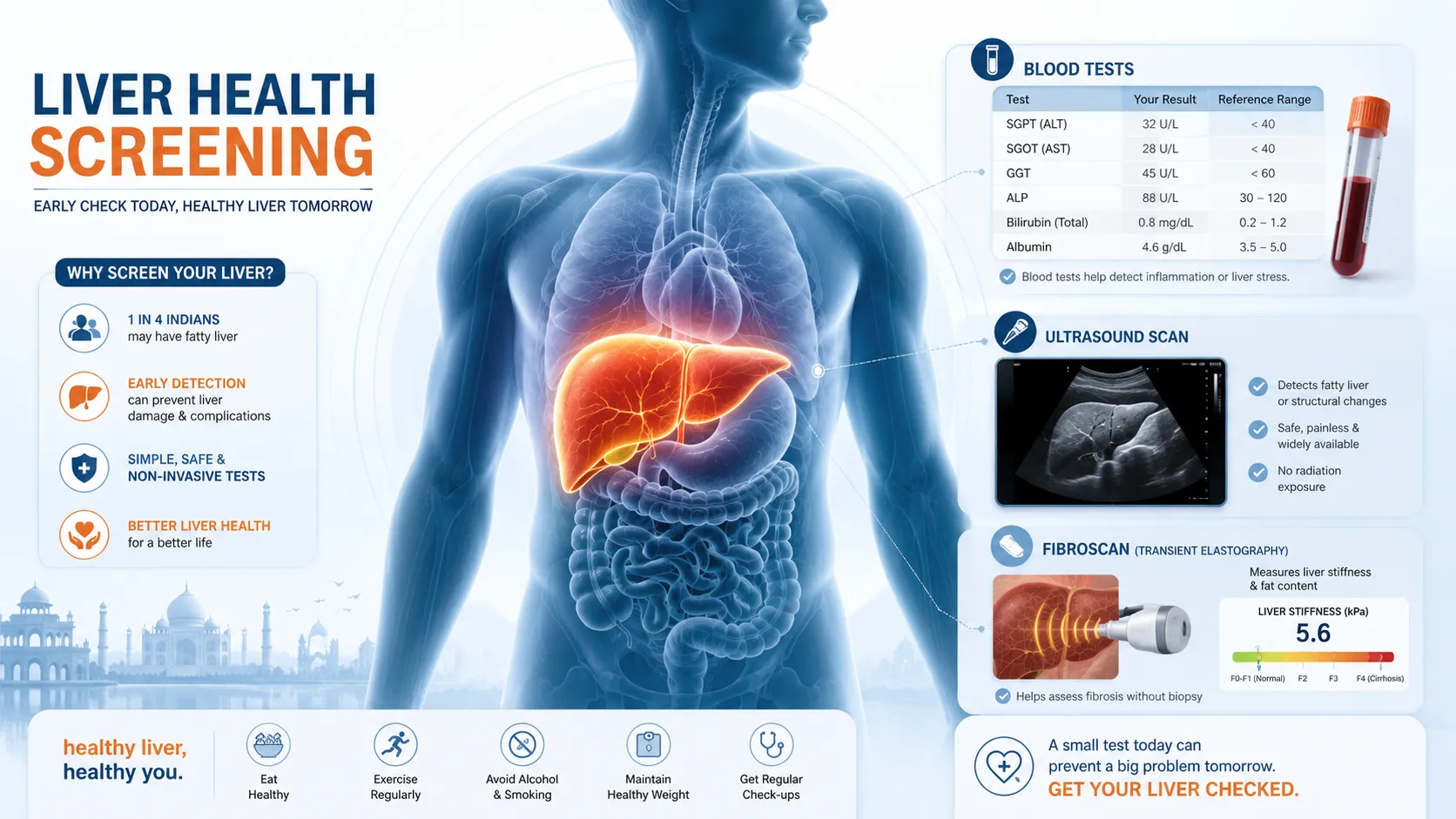
Learn how liver function tests, ultrasound, FibroScan and other investigations help identify chronic liver inflammation, fibrosis and cirrhosis.
Read More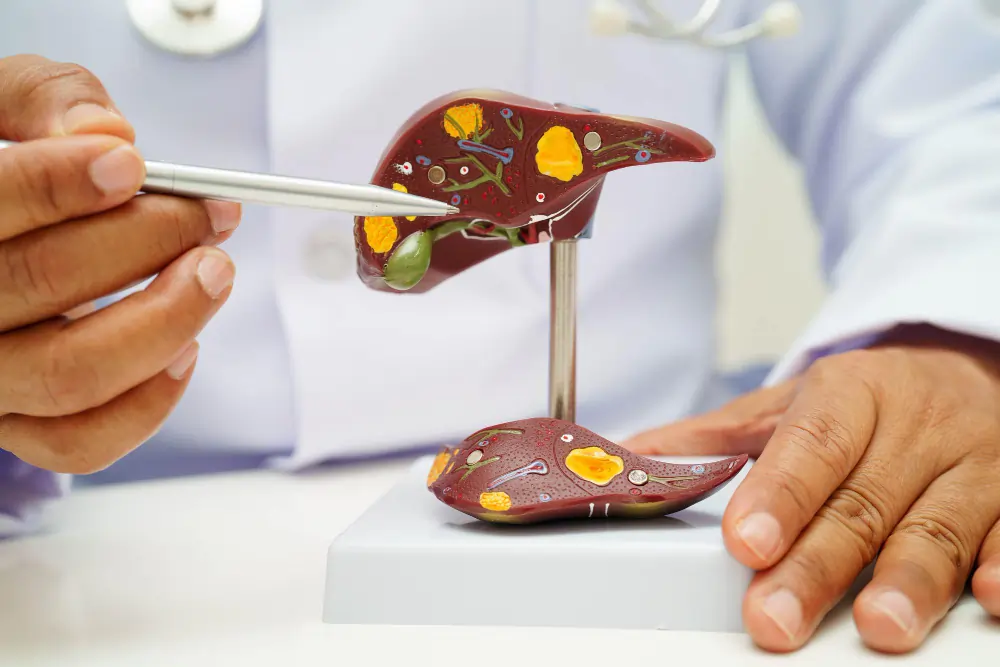
Understand compensated and decompensated cirrhosis, fibrosis, diagnostic tests, treatment options and when transplant evaluation may be required.
Read More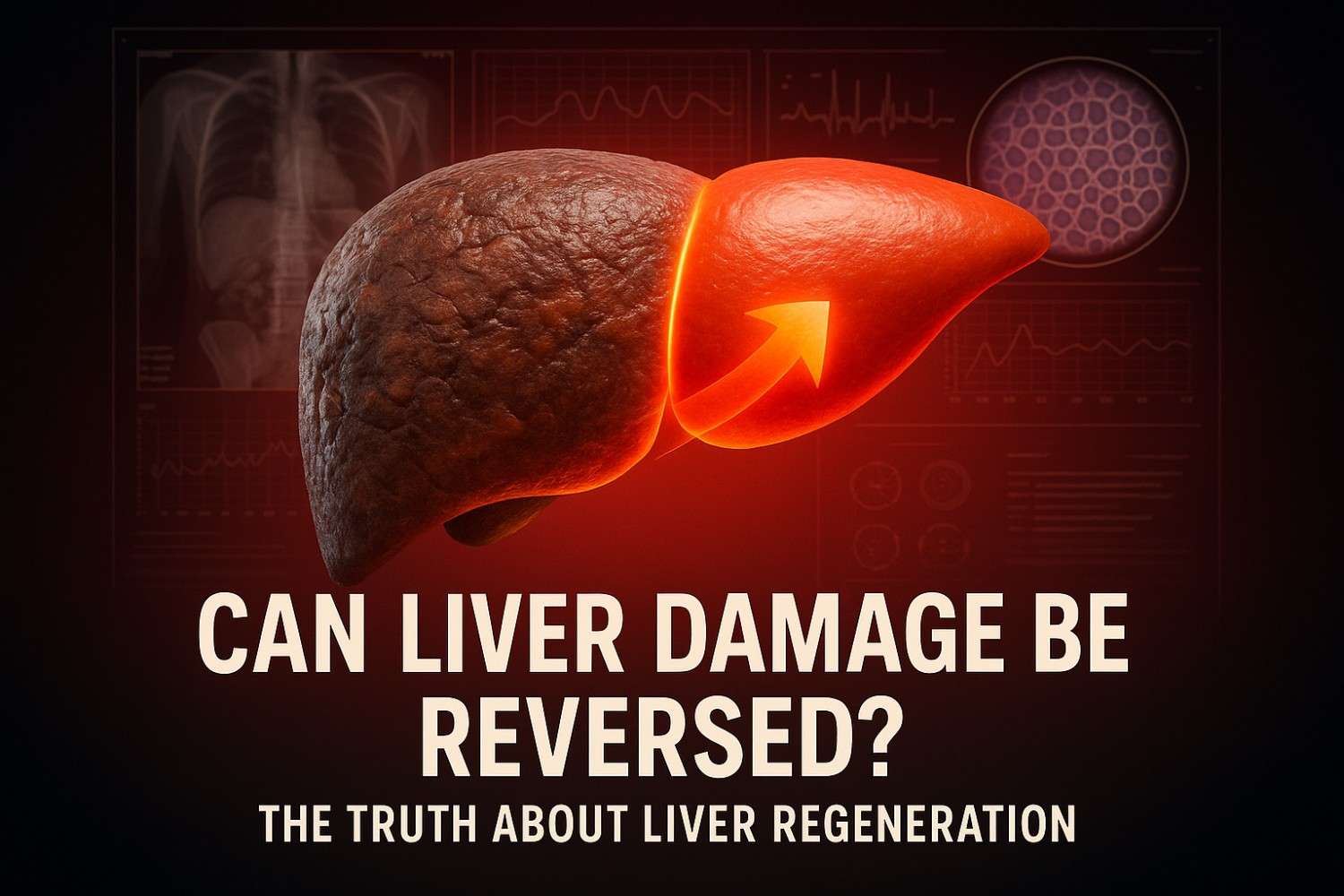
Understand how liver regeneration works, which stages of liver damage may improve and why advanced fibrosis and cirrhosis require specialist care.
Read More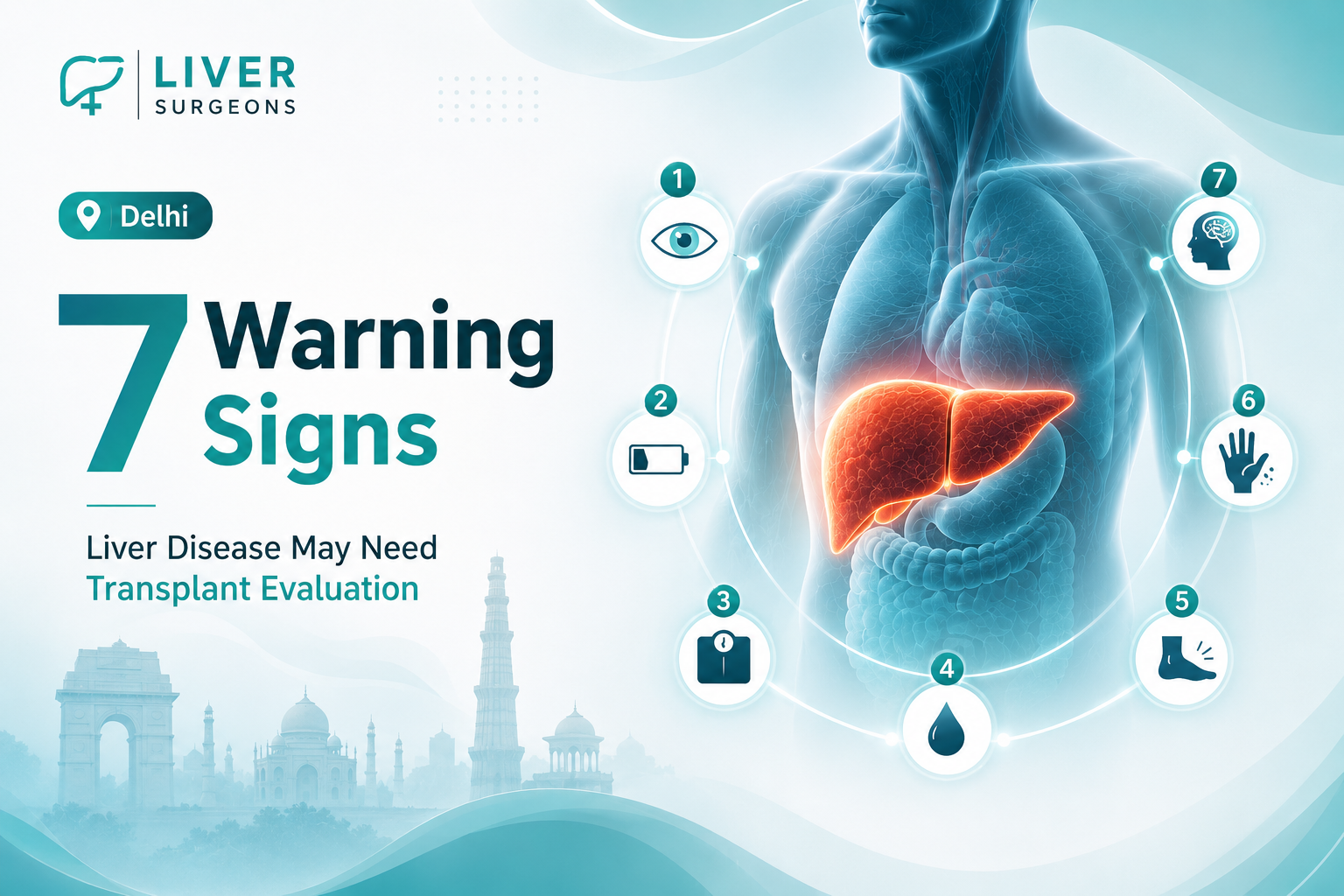
Recognise jaundice, ascites, confusion, bleeding and other warning signs that may indicate advanced liver disease or liver failure.
Read More
Learn when abnormal liver tests, jaundice, swelling, cirrhosis or advanced chronic liver disease require specialist liver evaluation.
Read More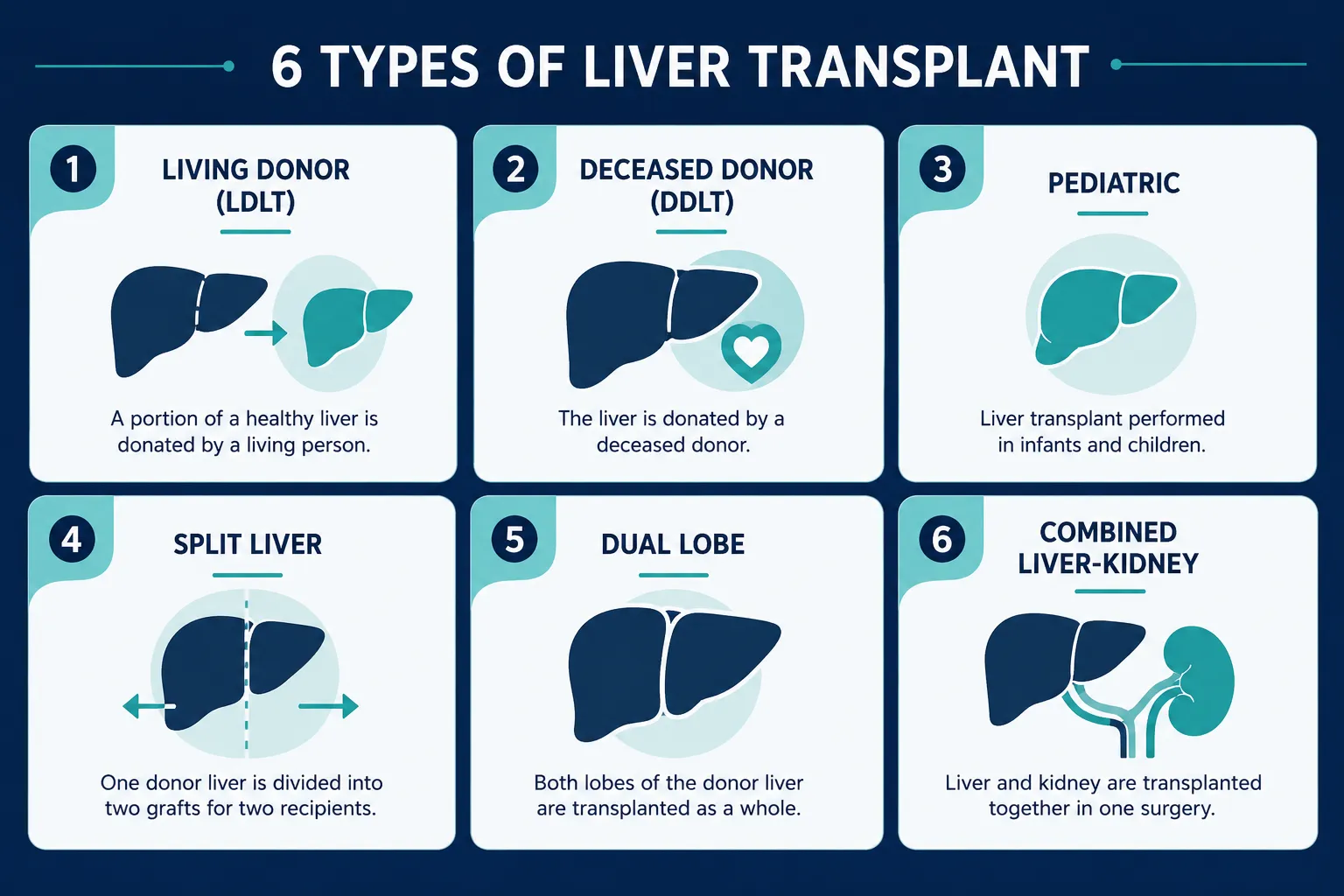
A complete guide to liver transplant eligibility, donor options, surgery, recovery and long-term care for patients with advanced liver disease.
Read More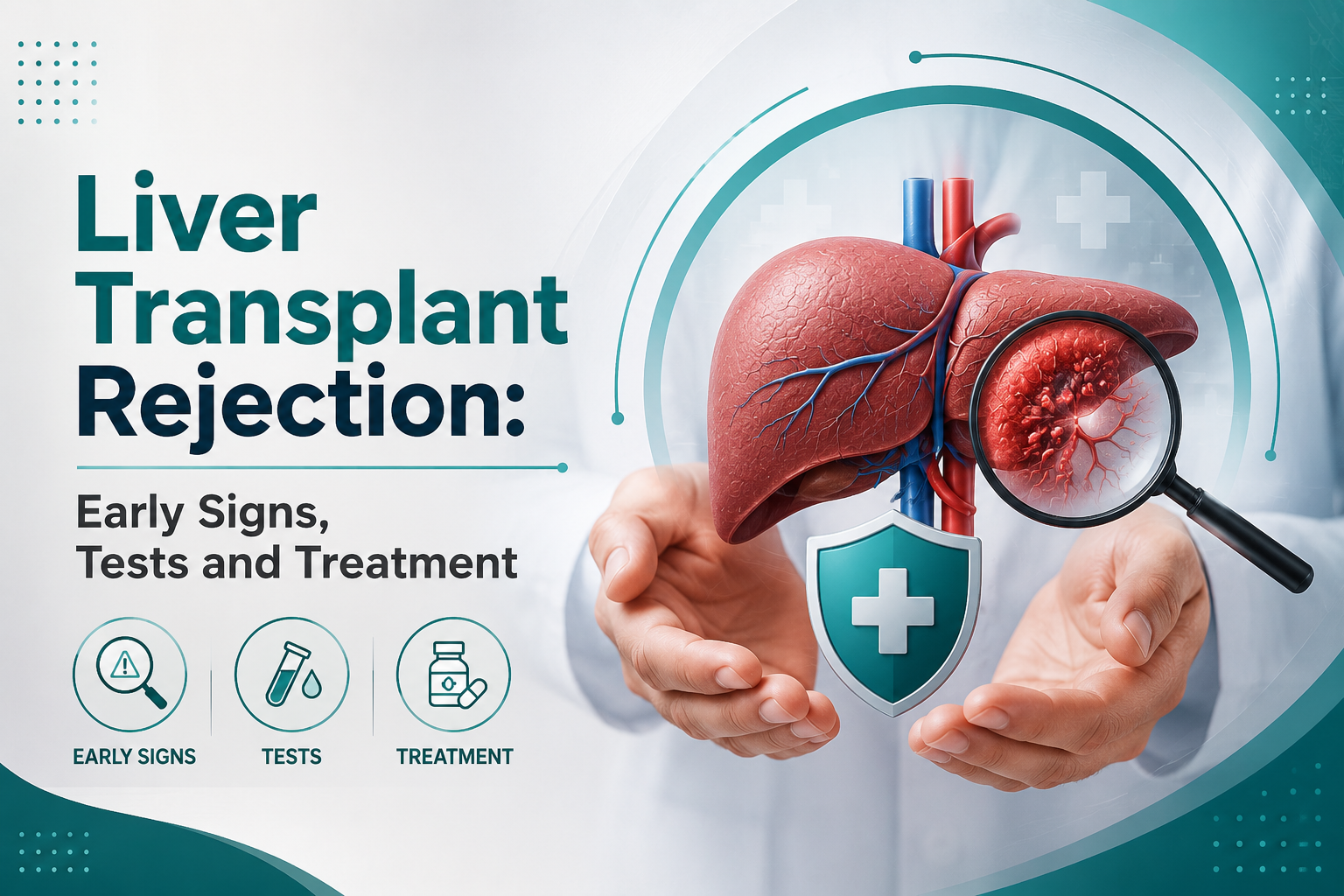
Learn about rejection warning signs, liver function tests, biopsy, immune monitoring and treatment after liver transplantation.
Read More
Understand long-term immunosuppressive therapy, tacrolimus, mycophenolate, steroids, monitoring and prevention of transplant rejection.
Read More