Can Gym Supplements and Steroids Damage the Liver? Warning Signs for Delhi Fitness Users

Principal Consultant & Unit Head, Liver Transplant & HPB Surgery, Fortis Hospital, Shalimar Bagh, Delhi
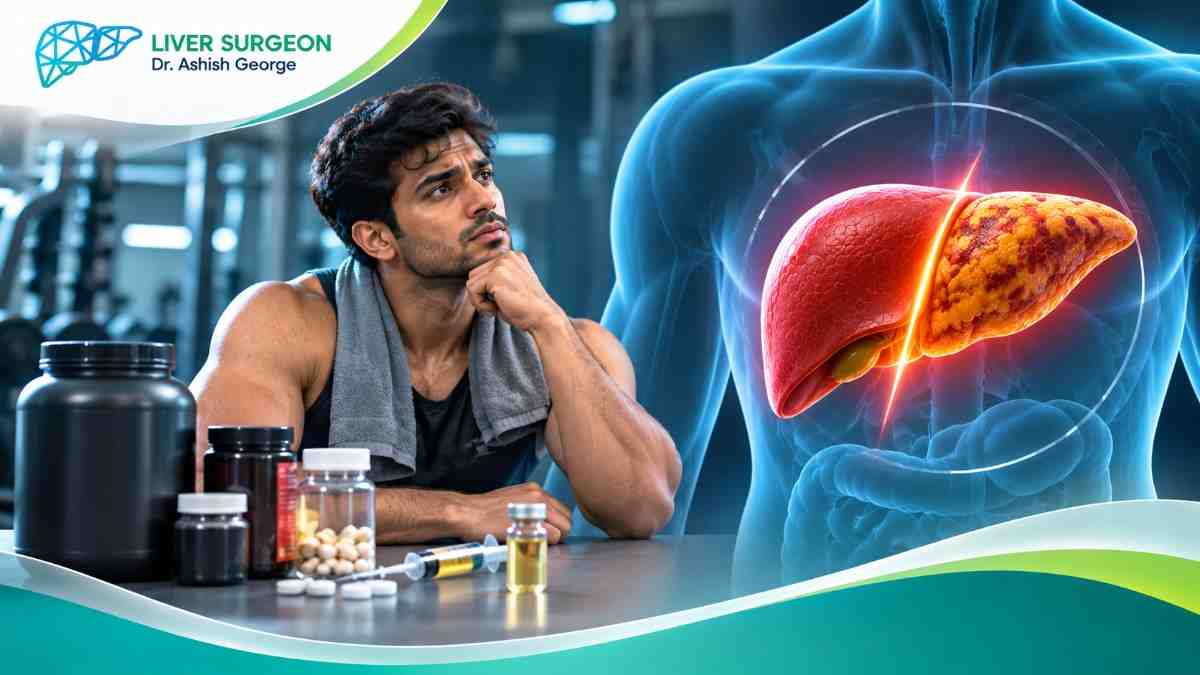
Protein powders, pre-workout products, fat burners, herbal mixtures, anabolic steroids and selective androgen receptor modulators are often discussed as though they are the same. They are not.
Many people use basic nutrition products without developing liver problems. The greater concern arises with anabolic steroids, SARMs, unregulated fat-loss or muscle-building products, contaminated formulations and combinations containing ingredients that are not accurately disclosed.
Liver injury can develop even in young, physically fit people. Recognising the warning signs early matters.
Are Protein Powders Bad for the Liver?
A standard protein supplement is not the same as an anabolic steroid. For many healthy adults, an appropriate amount of protein from food or a reputable supplement may be tolerated.
However, risk depends on the product, total intake and the person's medical history. Concerns include:
- Undeclared or contaminated ingredients
- Multiple products taken together
- Very high doses
- Existing liver or kidney disease
- Interaction with medicines
- Products marketed as “natural anabolic,” “prohormone” or extreme fat burners
A product label alone cannot guarantee purity. Supplements should not be used to treat a medical condition unless recommended by a qualified professional.
Why Are Anabolic Steroids a Liver Concern?
Some anabolic-androgenic steroids are linked to a distinctive form of liver injury called cholestasis, in which bile flow is impaired. This may cause severe itching and jaundice even when ALT and AST are not dramatically elevated.
Longer or repeated exposure has also been associated with other liver complications. Risk varies by drug, formulation, dose and duration, but “cycling” or stacking products does not make use medically safe.
Prescription hormonal treatment is different from unsupervised bodybuilding use. Patients taking prescribed medication should not stop it abruptly; they should speak to the prescribing clinician.
What About SARMs and Prohormones?
SARMs are promoted online as muscle-building alternatives to traditional steroids. They are not risk-free, and cases of liver injury have been reported.
Products sold as prohormones or muscle enhancers may contain steroid-like substances. In some cases, the active ingredient may not be clearly identified on the label.
“Herbal” and “natural” also do not automatically mean safe. Multi-ingredient formulations make it especially difficult to identify the substance responsible for injury.
Which Warning Signs Should You Never Ignore?
Stop treating symptoms as normal effects of training and seek prompt medical assessment if you develop:
- Yellow eyes or skin
- Dark brown urine
- Pale or clay-coloured stools
- Severe or persistent itching
- Nausea, vomiting or marked loss of appetite
- Pain in the right upper abdomen
- Unusual tiredness or weakness
- Abdominal swelling
- Confusion, drowsiness or bleeding
- Symptoms beginning after a new supplement, cycle or dose increase
Confusion, bleeding, repeated vomiting or rapidly worsening jaundice requires urgent care.
Can Gym Supplements Cause High SGPT or SGOT?
Some supplements and performance-enhancing agents can cause liver injury and raised enzymes. However, a strenuous workout can also temporarily increase AST and sometimes ALT because these enzymes are present in muscle as well as liver tissue.
A clinician may assess the exercise history and order additional tests such as bilirubin, alkaline phosphatase, GGT and creatine kinase. Do not assume that every abnormal result is “just from the gym,” especially if bilirubin is elevated or jaundice is present.
How Is Suspected Supplement-Related Liver Injury Investigated?
There is no single test that proves a supplement caused the problem. Diagnosis often involves excluding other causes.
Evaluation may include:
- A detailed timeline of every supplement, medicine and injection
- Liver enzymes, bilirubin, alkaline phosphatase and GGT
- INR or prothrombin time
- Kidney function and complete blood count
- Tests for hepatitis A, B, C or E when appropriate
- Ultrasound or other imaging
- Autoimmune or metabolic testing in selected cases
- Liver biopsy when the diagnosis remains uncertain or disease is severe
Bring the containers, photographs of labels, purchase details and ingredient lists to the appointment. Do not hide steroid or SARM use; accurate information helps prevent unnecessary tests and unsafe treatment.
What Should You Do if You Suspect a Product?
If jaundice, dark urine or significant symptoms develop, stop exercise and seek medical assessment promptly. Contact a clinician before making changes to prescribed medicines.
For non-prescribed bodybuilding products, the treating clinician will advise which items should be stopped. Do not replace one product with a “liver detox,” because another supplement may worsen the injury.
Avoid alcohol until the cause is clarified. Do not take extra paracetamol, herbal remedies or antibiotics without professional advice.
Can the Liver Recover?
Many patients improve after the responsible product is withdrawn, but recovery may take weeks or months. Some steroid-associated cholestatic injuries can cause prolonged jaundice and severe itching.
The course depends on the substance, severity, delay in stopping exposure and other health conditions. A fall in ALT alone does not always mean complete recovery; bilirubin, clotting and symptoms also matter.
How Can Fitness Users Reduce Risk?
- Prefer food-first nutrition when practical
- Discuss supplements with a qualified clinician or registered dietitian
- Avoid anabolic steroids, SARMs and prohormones without legitimate medical indication and supervision
- Avoid products with undisclosed “proprietary blends”
- Do not stack several fat burners or muscle-building agents
- Avoid buying unverified products through social media or informal sellers
- Keep a complete list of everything taken
- Obtain medical assessment if tests become abnormal or symptoms develop
Routine liver testing does not make unsafe steroid use safe. Normal results today cannot guarantee that injury will not occur later.
Frequently Asked Questions
Does whey protein cause fatty liver?
Whey protein itself should not automatically be blamed for fatty liver. Overall calorie intake, weight, diabetes, alcohol and product quality matter. Existing liver or kidney disease requires personalised advice.
Can steroids cause jaundice with only mildly raised ALT?
Yes. Certain anabolic steroids can produce cholestatic injury with marked jaundice and itching despite relatively modest enzyme elevations.
Are herbal bodybuilding supplements safer?
Not necessarily. Herbal and multi-ingredient supplements can cause liver injury, and some products may contain undeclared substances.
Should I do LFTs before taking gym supplements?
Testing may identify an existing problem, but it cannot guarantee that a product is safe. Discuss intended products and personal risk with a clinician.
Can I restart the same product after recovery?
Re-exposure may produce recurrent or more serious injury. Do not restart a suspected product unless a specialist specifically advises that it is safe.
Final Takeaway
The phrase “gym supplement” covers very different products. Ordinary dietary protein should not be confused with anabolic steroids, SARMs, prohormones or unregulated multi-ingredient products.
Yellow eyes, dark urine, pale stools and severe itching are not normal effects of training. Prompt assessment and honest disclosure of every product used can shorten the path to diagnosis and prevent further injury.
Concerned About Supplement-Related Liver Injury?
Developed jaundice, itching or abnormal liver tests after a supplement or bodybuilding cycle? Arrange prompt clinical assessment and bring every product label to the consultation. For severe symptoms, seek urgent medical care.
Related Liver Health Articles
- Liver Function Test: What High SGPT and SGOT Mean
- Jaundice in Adults: Causes and Warning Signs
- Can Liver Damage Be Reversed?
- Detox Myths vs Facts
References for Medical Review
- NIH LiverTox: Androgenic Steroids: View Reference
- NIH LiverTox: About the Drug-Induced Liver Injury Resource: View Reference
- PubMed: Hepatotoxicity Associated With Dietary Supplements Containing Anabolic Steroids: View Reference
- PubMed: Liver Injury Associated With Sporting Activities: View Reference
Medical Disclaimer
This article is general education. Do not start, stop or change prescribed treatment based on it. Jaundice, confusion, bleeding or persistent vomiting requires prompt medical care.