Hepatitis A With Fatty Liver: Why a Common Infection May Become Serious

Principal Consultant & Unit Head, Liver Transplant & HPB Surgery, Fortis Hospital, Shalimar Bagh, Delhi
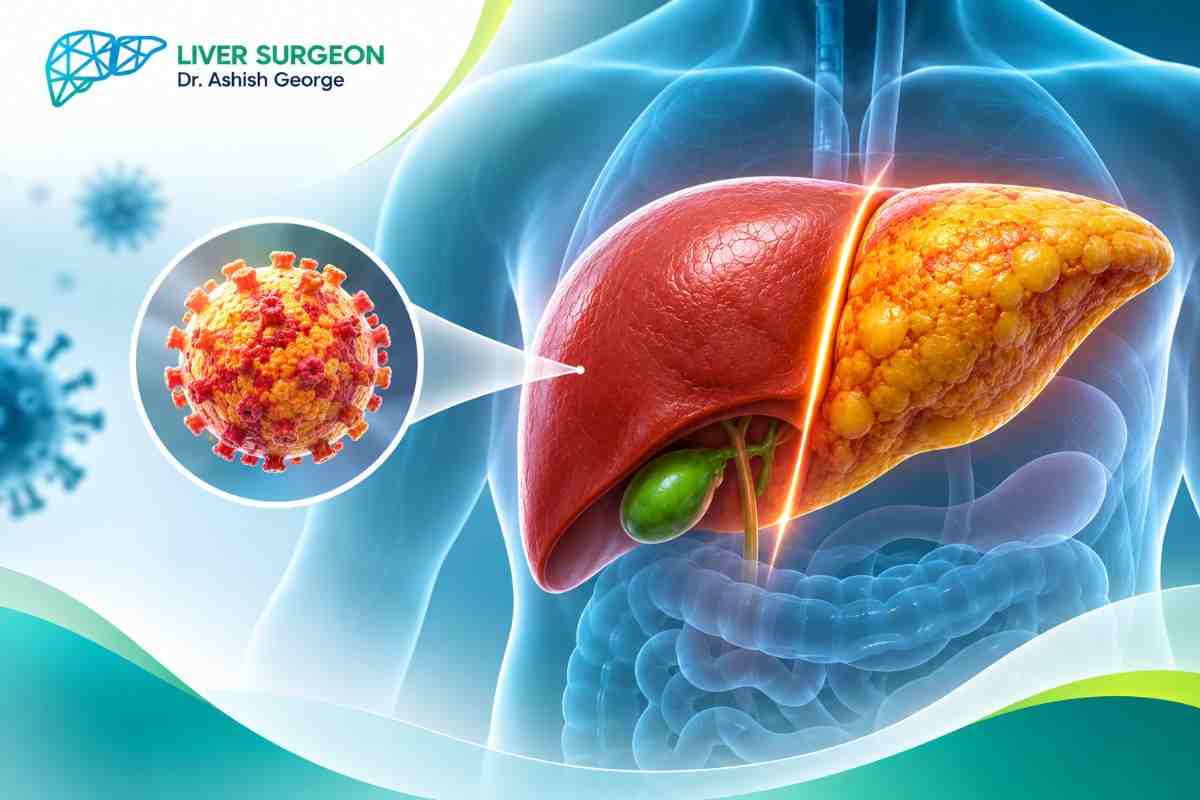
Hepatitis A is a viral infection that causes sudden inflammation of the liver. It usually spreads through contaminated food or water or close contact with an infected person. Many people recover completely, and unlike hepatitis B or C, hepatitis A does not become a chronic infection.
However, the illness deserves extra attention in adults who already have liver disease. A person with fatty liver may also have inflammation or scarring that is not obvious on routine tests. The risk is particularly important when fatty liver has progressed to advanced fibrosis or cirrhosis.
What Is Hepatitis A?
Hepatitis A is caused by the hepatitis A virus. After entering the body, the virus travels to the liver and triggers inflammation.
Symptoms do not always appear immediately. When illness develops, symptoms may include:
- Fever or a flu-like feeling
- Marked tiredness
- Loss of appetite
- Nausea or vomiting
- Discomfort on the right side of the upper abdomen
- Dark urine
- Pale stools
- Yellowing of the eyes or skin
- Generalised itching
Symptoms can overlap with hepatitis E, medicine-related liver injury, gallstone obstruction and other causes of jaundice. Testing is therefore important.
Does Fatty Liver Make Hepatitis A More Dangerous?
The answer depends on the severity of the underlying liver condition.
Simple fatty liver without inflammation or scarring is different from advanced metabolic dysfunction-associated steatotic liver disease. Some people labelled as having “fatty liver” already have fibrosis or cirrhosis without knowing it.
International guidance recognises chronic liver disease as a risk factor for more severe outcomes from hepatitis A. The concern is greatest in people with cirrhosis, advanced fibrosis or reduced liver reserve. Age, diabetes, obesity, alcohol use and other health problems may also affect recovery.
It would be inaccurate to say that every person with mild fatty liver will develop severe hepatitis A. The practical point is that a previous ultrasound report reading “fatty liver” should be shared with the treating doctor, especially when jaundice develops.
Why Can a Second Liver Injury Matter?
A healthy liver has considerable reserve. Chronic inflammation or scarring reduces that reserve. An acute infection can create additional stress on a liver that is already struggling.
Most people still recover, but clinicians watch carefully for signs that the liver is losing its ability to perform essential tasks such as producing clotting proteins, regulating blood chemistry and clearing certain waste products.
How Is Hepatitis A Diagnosed?
Symptoms alone cannot confirm the diagnosis. A clinician may recommend:
- IgM antibody testing for acute hepatitis A
- Liver enzymes, including ALT and AST
- Bilirubin
- Alkaline phosphatase and GGT
- Prothrombin time or INR to assess clotting
- Complete blood count and kidney-function tests
- Ultrasound when obstruction or another liver problem is suspected
- Tests for hepatitis E, hepatitis B, hepatitis C or other causes, depending on the situation
A high ALT value can occur in acute hepatitis, but the seriousness of illness cannot be judged from ALT alone. Bilirubin, INR, mental state, hydration, kidney function and the clinical trend matter.
What Are the Emergency Warning Signs?
Seek urgent medical assessment if a person with suspected hepatitis develops:
- Increasing sleepiness, confusion or unusual behaviour
- Repeated vomiting or inability to keep fluids down
- Bleeding from the nose or gums
- Vomiting blood or passing black stools
- Rapidly increasing jaundice
- Severe abdominal swelling
- Very little urine
- Fainting, extreme weakness or breathlessness
- Worsening symptoms during pregnancy
- Known cirrhosis or advanced liver disease
Confusion or abnormal drowsiness in a person with jaundice can indicate acute liver failure and should never be managed at home.
What Is the Treatment?
There is no routine antiviral medicine that cures acute hepatitis A. Most uncomplicated cases are managed with hydration, nutrition, rest and monitoring.
Treatment decisions must be personalised. A patient should not self-medicate with antibiotics, herbal remedies, “liver tonics” or high-dose painkillers. Some products can worsen liver injury or make the diagnosis harder.
People with severe symptoms, impaired clotting, dehydration, pregnancy or underlying advanced liver disease may require hospital care. Rarely, acute liver failure requires management at a centre capable of urgent transplant evaluation.
What Should You Eat During Recovery?
There is no special food that removes the virus. The goal is to maintain hydration and adequate nutrition.
Small, frequent meals may be easier if nausea is present. Choose clean, freshly prepared food and safe drinking water. Avoid alcohol completely during illness and recovery. Ask the treating clinician before taking supplements or non-prescribed medicines.
Do not force very fatty meals or follow extreme juice-only diets. Recovery is guided by symptoms and repeat medical assessment, not a detox programme.
Can Hepatitis A Be Prevented?
Prevention includes:
- Washing hands with soap after using the toilet and before preparing food
- Drinking water from a reliable source
- Avoiding food prepared under unsafe hygiene conditions
- Proper sanitation and safe disposal of waste
- Discussing hepatitis A vaccination with a qualified clinician
Vaccination is particularly relevant for people at increased risk of infection or severe disease, including certain people with chronic liver disease. A clinician should review age, medical history, previous vaccination and any recent exposure.
What If You Were Recently Exposed?
Post-exposure prevention may be possible when action is taken promptly. Depending on age, health, vaccination status and timing, a clinician may recommend hepatitis A vaccine, immune globulin or both.
Do not wait for jaundice before seeking advice after a significant exposure, especially if you have chronic liver disease or suppressed immunity.
Frequently Asked Questions
Can hepatitis A become chronic?
No. Hepatitis A does not produce chronic infection, although symptoms can occasionally persist or relapse for a period.
Can I have hepatitis A without yellow eyes?
Yes. Some people, especially children, may have mild or no obvious jaundice. Adults are more likely to develop symptoms.
Is every person with fatty liver at high risk?
No. Risk varies with age, metabolic health and the amount of liver inflammation or scarring. Advanced fibrosis and cirrhosis are more concerning than uncomplicated mild steatosis.
Should I take a liver tonic during hepatitis A?
No unprescribed liver tonic should be started. Herbal and multi-ingredient products can themselves cause liver injury.
When can I return to work?
This depends on symptoms, occupation, hygiene considerations and medical advice. Food handlers and some other workers may require specific public-health guidance.
Final Takeaway
Hepatitis A is usually self-limited, but it should not be dismissed when a person already has fatty liver or another chronic liver condition. The label “fatty liver” does not reveal whether fibrosis is present, and severe warning signs can develop quickly.
If jaundice, dark urine, persistent vomiting or unusual drowsiness appears, obtain medical assessment rather than relying on home remedies. Early testing can identify the cause, measure liver function and determine whether outpatient monitoring or hospital care is safest.
Have Jaundice or Known Fatty Liver?
Have jaundice or known fatty liver with a new fever, vomiting or dark urine? Seek clinical assessment promptly.
Related Liver Health Articles
- Fatty Liver Disease in India: Warning Signs, Causes and How to Reverse It
- Jaundice in Adults: Causes, Warning Signs and When It Is Serious
- Liver Function Test: What High SGPT and SGOT Mean
- Acute Liver Failure: Understanding the Race Against Time
References for Medical Review
- CDC: Clinical Care of Hepatitis A: View Reference
- CDC Yellow Book: Hepatitis A: View Reference
- CDC: Viral Hepatitis Guidance: View Reference
Medical Disclaimer
This article provides general education and is not a diagnosis or individual treatment plan. Jaundice, confusion, bleeding or persistent vomiting requires prompt professional assessment.