Hepatitis E in Delhi: Symptoms, Jaundice Risks and When It Becomes an Emergency

Principal Consultant & Unit Head, Liver Transplant & HPB Surgery, Fortis Hospital, Shalimar Bagh, Delhi
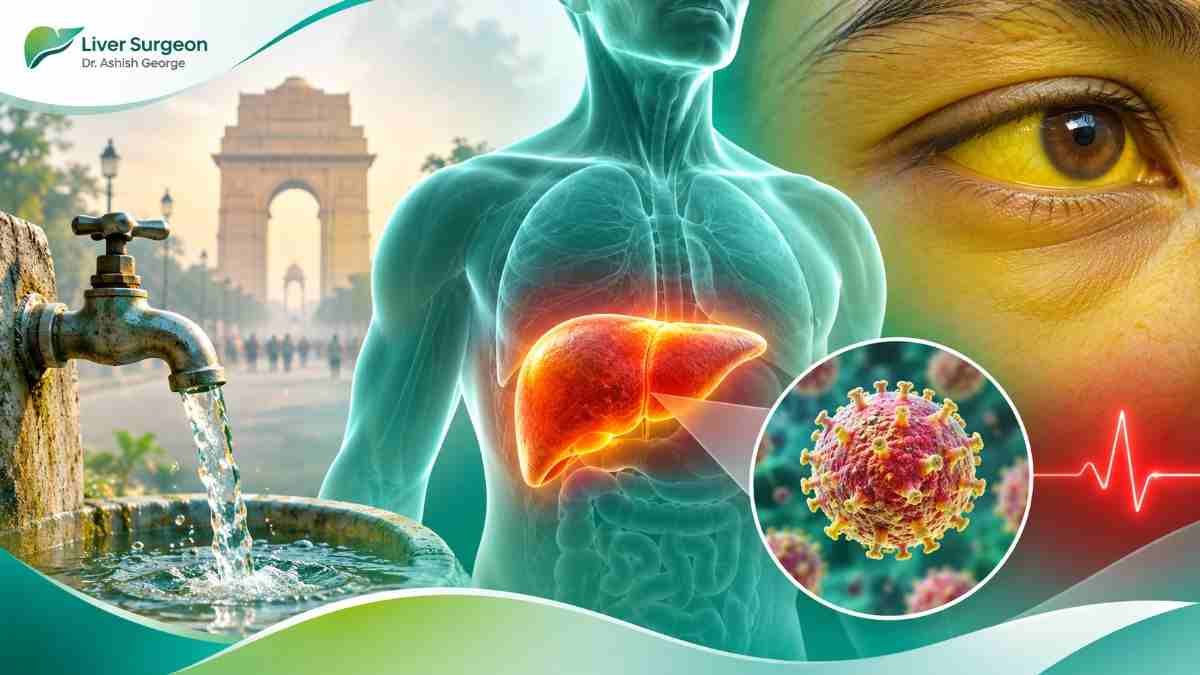
Jaundice during or after a period of unsafe water exposure is sometimes dismissed as a problem that will resolve with rest. One possible cause is hepatitis E, a viral infection that can spread through water contaminated with human waste.
Most otherwise healthy people recover, but hepatitis E can occasionally become severe. Pregnant women, people with existing liver disease and immunosuppressed patients require particular attention. Early testing is important because hepatitis A, hepatitis B, medicine-related injury, gallstone obstruction and other illnesses can produce similar symptoms.
What Is Hepatitis E?
Hepatitis E is inflammation of the liver caused by the hepatitis E virus. In many regions, infection is associated with contaminated drinking water and inadequate sanitation.
The infection is usually acute and self-limited. Rarely, it can cause fulminant hepatitis or acute liver failure. Chronic infection is uncommon but has been described particularly in immunosuppressed people, including some organ-transplant recipients.
How Does Hepatitis E Spread?
The principal route in many endemic settings is faecal contamination of water. Risk can increase when sewage contaminates drinking-water systems or when sanitation and food hygiene are poor.
Individual prevention includes:
- Drinking water from a reliable source
- Using safe water for ice and beverages
- Washing hands with soap before preparing or eating food
- Eating freshly cooked food
- Avoiding raw or inadequately cooked food from uncertain sources
- Following local public-health advisories during water-contamination events
Boiling or treating water should follow official recommendations. Clear-looking water is not automatically free of infection.
What Are the Symptoms?
Symptoms may begin several weeks after exposure and can include:
- Fever
- Tiredness
- Loss of appetite
- Nausea or vomiting
- Right-upper-abdominal discomfort
- Dark urine
- Pale stools
- Yellowing of the eyes or skin
- Itching
- Joint aches or a skin rash in some patients
Symptoms alone cannot distinguish hepatitis E from other causes of acute hepatitis. Some infected people have mild disease or few symptoms.
How Is Hepatitis E Diagnosed?
A clinician starts with exposure history, symptoms and examination. Testing may include:
- Liver enzymes such as ALT and AST
- Bilirubin
- Alkaline phosphatase and GGT
- Prothrombin time or INR
- Complete blood count and kidney-function tests
- Hepatitis E antibody testing
- HEV RNA testing in selected situations
- Testing for hepatitis A, B or C
- Ultrasound when bile-duct obstruction or another structural cause is possible
The meaning of antibody results can depend on timing and the test used. Results should be interpreted with the clinical picture.
Who Is at Greater Risk of Severe Disease?
Pregnancy
Hepatitis E during pregnancy, particularly later pregnancy, is associated with a greater risk of severe illness, acute liver failure and adverse outcomes. A pregnant person with jaundice, repeated vomiting or unusual drowsiness needs urgent hospital assessment.
Existing Liver Disease
People with cirrhosis, advanced fibrosis or another chronic liver condition may have less reserve to tolerate an acute infection. Hepatitis E can cause acute deterioration on top of chronic liver disease.
Suppressed Immunity
Chronic hepatitis E is rare, but it may occur in people with suppressed immunity, including some transplant recipients. Medication changes in this group require specialist supervision.
Older Age or Other Major Illness
Diabetes, kidney problems, frailty and other conditions may complicate hydration, monitoring and recovery.
What Are the Warning Signs of Acute Liver Failure?
Go to an emergency department immediately if someone with jaundice develops:
- Confusion, disorientation or unusual sleepiness
- Repeated vomiting or inability to drink
- Bleeding from the gums or nose
- Vomiting blood or black stools
- Rapidly worsening jaundice
- Markedly reduced urine
- Severe weakness, fainting or low blood pressure
- Increasing abdominal swelling
- New breathlessness
- Any significant worsening during pregnancy
Do not wait for a routine appointment when mental state changes or bleeding occurs.
How Is Hepatitis E Treated?
There is no routine antiviral treatment for uncomplicated acute hepatitis E. Many patients recover with supportive care, which may include hydration, nutrition, symptom management and repeat testing.
Hospitalisation may be necessary for severe illness, impaired clotting, persistent vomiting, pregnancy or signs of acute liver failure.
Certain chronic infections in immunosuppressed patients require specialist management. Patients must not change anti-rejection or immune-suppressing medicines on their own.
What Should You Avoid?
- Alcohol
- Unprescribed herbal preparations
- “Liver detox” products
- Unnecessary antibiotics
- High-dose or repeated painkillers without medical advice
- Intense exercise while acutely unwell
- Sharing medicines prescribed for another person
The World Health Organization specifically cautions against unnecessary medicines that can adversely affect liver function during acute hepatitis E. Ask the treating clinician before using paracetamol or any other medicine.
What Should You Eat?
There is no special diet that eliminates the virus. Maintain hydration and eat small, balanced meals that are easier to tolerate. Use reliably prepared food and safe drinking water.
Extreme fasting, juice-only plans and high-dose supplements do not speed recovery and may worsen nutrition.
Hepatitis E Versus Hepatitis A
Both can spread through contaminated food or water and cause acute jaundice. Neither can be reliably diagnosed from symptoms alone.
Hepatitis A does not become chronic. Hepatitis E is also usually acute, but rare chronic infection has occurred in immunosuppressed people. Pregnancy is an especially important risk factor in hepatitis E.
Blood testing helps determine the cause and guides monitoring.
Can Hepatitis E Be Prevented?
Safe water, sanitation and food hygiene are the main preventive measures. A hepatitis E vaccine has been developed and licensed in one country, but it is not broadly available worldwide. Patients in Delhi should seek current advice from qualified local clinicians and public-health authorities rather than assume routine vaccine access.
Frequently Asked Questions
Is hepatitis E always caused by dirty water?
Contaminated water is a major route in many settings, but transmission patterns can vary. A clinician should assess travel, food, water and medical history.
Does hepatitis E become chronic?
Usually not. Rare chronic infection has been reported mainly in immunosuppressed patients, including some transplant recipients.
Can hepatitis E be treated at home?
Mild cases may be monitored outside hospital under medical guidance. Pregnancy, persistent vomiting, impaired clotting, confusion or existing advanced liver disease can require hospital care.
Is hepatitis E dangerous during pregnancy?
It can be significantly more severe, particularly in later pregnancy. Jaundice during pregnancy needs urgent professional evaluation.
Can I diagnose hepatitis E from a high SGPT?
No. Many liver conditions cause high ALT or SGPT. Specific testing and clinical assessment are required.
How long does recovery take?
Symptoms often resolve over several weeks, but the course varies. Follow-up should continue until the clinician confirms appropriate improvement.
Final Takeaway
Hepatitis E is often self-limited, but it is not a condition to diagnose or manage through assumptions. Jaundice has several possible causes, and severe disease can develop in vulnerable patients.
Delhi residents should focus on safe water and food hygiene and obtain timely testing if dark urine, yellow eyes, vomiting or marked fatigue appears. Pregnancy, chronic liver disease, suppressed immunity, confusion or bleeding makes assessment especially urgent.
Experiencing Jaundice or Hepatitis E Symptoms?
Have new jaundice, dark urine or vomiting, particularly during pregnancy or with existing liver disease? Seek prompt medical assessment. For confusion, bleeding or severe symptoms, go directly to an emergency department.
Related Liver Health Articles
- Jaundice in Adults: Causes, Warning Signs and When It Is Serious
- Acute Liver Failure: Understanding the Race Against Time
- Hepatitis B vs Hepatitis C
- Liver Function Test: What High SGPT and SGOT Mean
References for Medical Review
- World Health Organization: Hepatitis E Fact Sheet: View Reference
- WHO: Drinking-Water and Sanitation Guidance.
- Current Indian or Delhi Public-Health Guidance.
Medical Disclaimer
This article is educational and does not replace medical care. Jaundice during pregnancy, confusion, bleeding or persistent vomiting requires urgent professional assessment.