Life After Liver Transplant: Diet, Medication, and Returning to Normalcy
.webp)
Principal Consultant & Unit Head, Liver Transplant & HPB Surgery, Fortis Hospital, Shalimar Bagh, Delhi
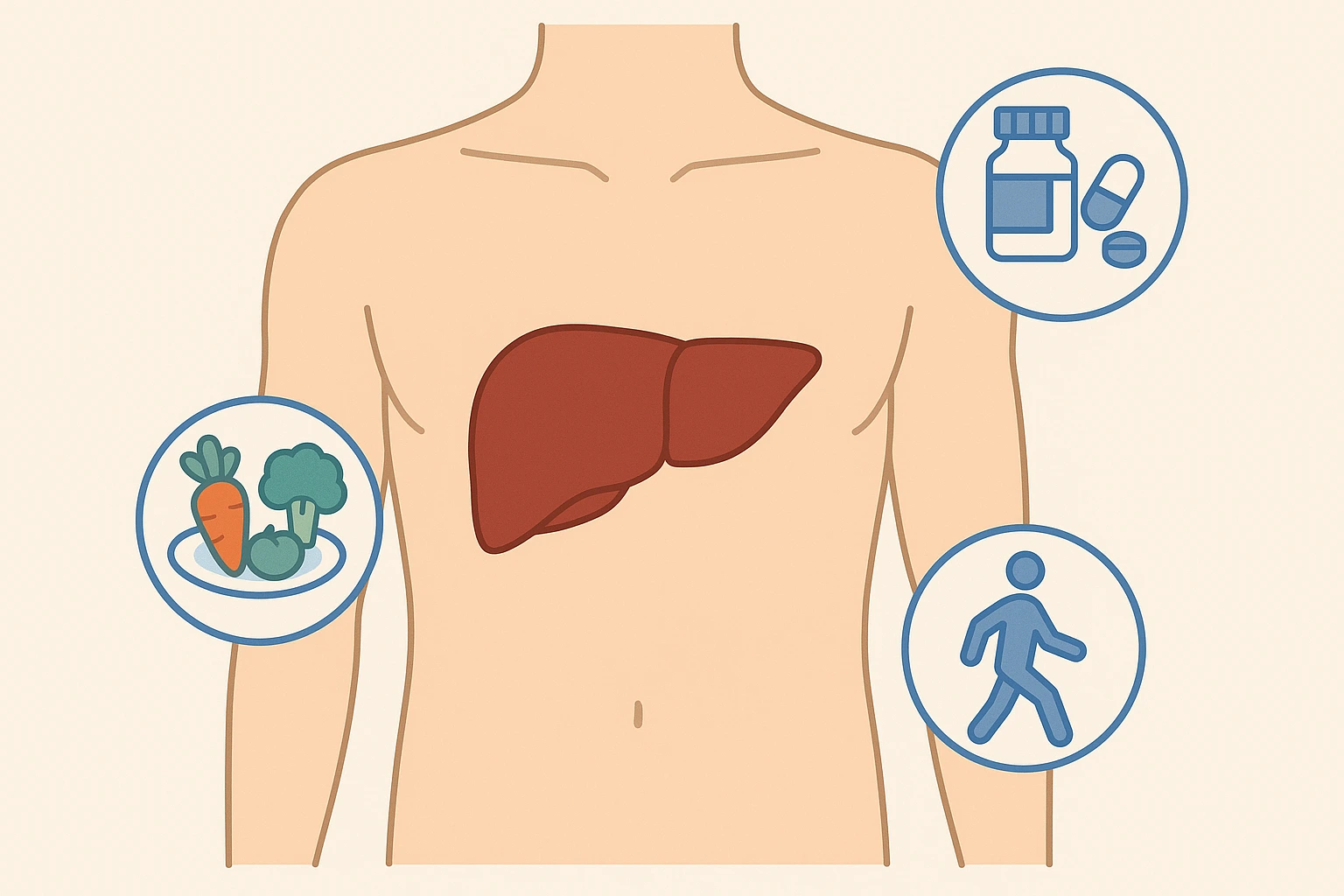
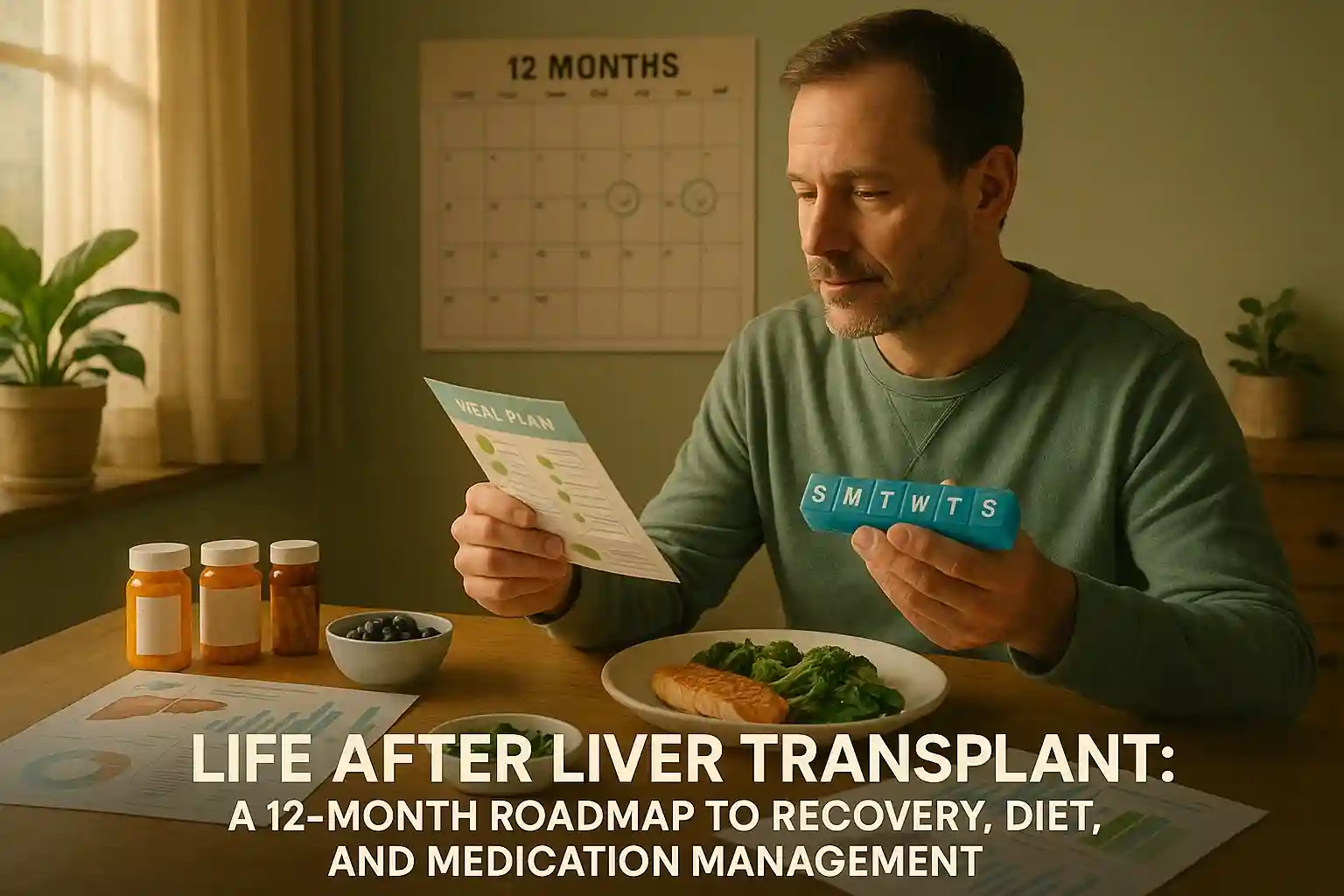
Life after a liver transplant is a transition from fighting for survival to managing a new and chronic normalcy. It involves a lifelong commitment to immunosuppression, strict food safety protocols to prevent infection, and a gradual return to physical activity that typically stabilizes within 3 to 6 months post surgery.
In my years of practice as a liver transplant surgeon, I have guided over 1,000 patients through the complex journey of transplantation. I often tell my patients that the surgery itself is just the halftime show. The real game, the one where you reclaim your life and future, starts the moment you leave the hospital.
If you are reading this guide, you or a loved one has likely crossed the bridge from end stage liver disease to receiving a life saving graft. The relief you feel is palpable, but I know the anxiety is there too. You have dozens of questions about what you can eat, when you can drive, and if life will ever truly feel "normal" again.
The short answer is yes. It will.
However, the "new normal" requires a completely new playbook. In my practice in Delhi, I see hundreds of patients transition from critical illness to vibrant health. The difference between those who merely survive and those who truly thrive usually comes down to two things: education and discipline.
This guide is your roadmap. We will strip away the complex medical jargon and focus on the practical realities of life with a new liver. I have backed this advice with the latest data from 2024 and 2025 to ensure you have the most current strategies for your recovery.
The "New Normal": Recovery Timelines and Expectations
Recovery is not a straight line. It is a series of plateaus and climbs. While every patient is unique, we generally see a predictable pattern in the first year.
The First 90 Days: The Danger Zone
The first three months are critical. This is when the risk of acute cellular rejection and infection is highest. You will likely visit your transplant team weekly during this phase.
- Physical Sensation: You may feel surgical pain, fatigue, and a sensation of the "brain fog" clearing up as the new liver filters toxins like ammonia from your blood.
- The 2025 Landscape: According to data presented at the 2025 Annual Conference of the Liver Transplantation Society of India (LTSICON), India has become the global leader in Living Donor Liver Transplants (LDLT). We are seeing success rates touching 90% in the first year. This means your odds of a full recovery are better today than at any point in history.
Months 3 to 6: The Stabilization Phase
By this stage, your medication doses are usually lowered. The risk of opportunistic infections decreases significantly. Many patients feel ready to return to work or school.
Why Most "Rest" Advice Fails Patients
Here is a contrarian view I share with my patients: Too much rest is dangerous.
While you should not run a marathon in week four, lying in bed invites pneumonia and blood clots. I encourage "active rest" which means walking corridors, doing seated leg lifts, and engaging your core gently. We want to reverse the muscle wasting, known as sarcopenia, that liver disease caused. A 2024 report from the British Liver Trust emphasizes that moderate exercise, like walking or cycling, should be encouraged after 8 weeks if recovery is going well.
Medication: The Price of Admission
Your new liver is a foreign object. Your immune system wants to attack it. The medication you take, known as immunosuppressants, is the peace treaty that stops this war.
The Big Two: Tacrolimus and Cyclosporine
These drugs are Calcineurin Inhibitors (CNIs). They are the backbone of your survival, but they come with a cost you must manage.
- Tacrolimus (Prograf/Envarsus): The most common drug. It can cause tremors (shaky hands), headaches, and high blood sugar.
- Cyclosporine: Less common now but still used. It can cause gum swelling and hair growth.
Crucial Rule: You must take these at the exact same time every day. Missing a dose gives your immune system a window to attack.
This One "Natural" Habit Could Cost You Your Liver
Many patients want to boost their health with "natural" supplements. Stop.
Herbal supplements like St. John’s Wort can metabolize your anti rejection meds out of your system instantly. This leads to rejection. Conversely, Grapefruit and Pomelo block the enzyme (CYP3A4) that breaks down Tacrolimus. This leads to toxic overdose levels that can damage your kidneys.
- The Rule: If it did not come from your transplant pharmacy, do not put it in your mouth without asking me.
Comparison: Common Immunosuppressants & Management
| Medication Class | Common Drugs | Purpose | Key Side Effects | Management Tip |
|---|---|---|---|---|
| Calcineurin Inhibitors | Tacrolimus, Cyclosporine | Prevent Rejection | Tremors, Kidney stress, Diabetes, High BP | Stay hydrated to protect kidneys. Monitor blood sugar closely. |
| Antimetabolites | Mycophenolate Mofetil (CellCept) | Prevent Rejection | Nausea, Diarrhea, Low White Blood Cells | Take with food (if allowed) to settle stomach. |
| Corticosteroids | Prednisone | Anti-inflammatory | Weight gain, Mood swings, Bone thinning | We typically wean this off within 3 to 6 months. |
| mTOR Inhibitors | Sirolimus, Everolimus | Prevent Rejection / Cancer protection | Mouth ulcers, Poor wound healing | Good oral hygiene is essential. |
Dietary Protocols: Food Safety is Non Negotiable
Before your transplant, your diet was likely focused on managing fluid retention and getting enough calories. Now, your diet has two new goals: Food Safety and Metabolic Management.
The "Kill Step" Protocol
Because your immune system is suppressed, you cannot fight off common food bacteria like Listeria or Salmonella. A stomach bug that gives a healthy person diarrhea could send you to the ICU. You must treat food with a "kill step" of heat.
- The "Well Done" Rule: No pink meat. Steaks, burgers, and pork must be cooked to well done (at least 74°C or 165°F).
- The Sushi Ban: Raw seafood is strictly prohibited. Raw oysters carry Vibrio vulnificus. This bacteria is lethal to transplant patients with compromised immunity.
- The Yolk Rule: No runny eggs. If the yolk is not hard, send it back. Avoid homemade mayonnaise or mousses made with raw eggs.
Managing the "New" Obesity
Post transplant diabetes and obesity are major risks. The steroids make you hungry, and your new liver processes nutrients efficiently. Weight gain is common in the first year.
- Actionable Advice: Focus on a Mediterranean style diet. This is high in vegetables, lean proteins, and whole grains. Avoid "white" carbs (sugar, white bread) which spike insulin.
Returning to Normalcy: Work, Travel, and Intimacy
Patients often ask, "When can I be me again?" The answer depends on your adherence to the new routine.
Work and Driving
- Driving: Usually permitted after 4 to 6 weeks. You must be off pain medication and have full core range of motion. You must be able to perform an emergency stop without pain.
- Work: Desk jobs can often be resumed in 3 months. Physically demanding jobs may require 6 months of rehabilitation.
The "Travel Packet" Feature That Saves 5 Hours of Worry
Travel is absolutely possible, and I encourage it. But it requires logistics. Do not just pack and go. Create a "Travel Packet":
- Medical Letter: A signed letter from your surgeon (like me) stating your condition and medications. This is essential for airport security.
- Medication Surplus: Always pack twice the medication you need. Keep half in your carry on and half in your checked bag.
- Local Hospital Recon: Before you book a hotel, map the nearest transplant capable hospital.
Note: Avoid travel to areas with high rates of yellow fever or malaria. You generally cannot receive live vaccines like the Yellow Fever vaccine.
Sex and Fertility
Sexual function often improves post transplant as your hormones normalize.
- For Men: Libido usually returns, though some medications can cause erectile issues.
- For Women: Fertility returns quickly. However, you must avoid pregnancy for at least one year post transplant. The medications can be teratogenic (harmful to the fetus), and your body needs to stabilize first.
Long Term Vigilance: The Marathon
You have survived the sprint. Now you must run the marathon. Vigilance is required to detect three main threats: Rejection, Infection, and Malignancy.
Skin Cancer: The Silent Threat
This is the most overlooked risk. Long term immunosuppression makes your skin lose its ability to repair UV damage. Transplant recipients are at a significantly higher risk of developing skin cancer than the general population.
- The Fix: SPF 50+ is your new best friend. Wear it daily, even on cloudy days. You need an annual full body check up with a dermatologist.
Recognizing Rejection vs Infection
Rejection is often silent. You might not feel "sick" until it is advanced. This is why we rely on blood tests. However, watch for these signs:
| Symptom | Could be Rejection? | Could be Infection? | Action |
|---|---|---|---|
| Fever (>38°C) | Yes | Yes | Call Team Immediately |
| Jaundice (Yellow eyes) | Yes | No (usually) | Call Team Immediately |
| Fatigue/Aches | Yes | Yes (Flu like) | Call Team |
| Pain over Liver | Yes | No | Call Team |
| Productive Cough | No | Yes | See GP/Call Team |
According to recent guidelines, acute rejection is most common in the first 3 to 6 months. Chronic rejection is rarer and more gradual.
Psychosocial Health: The Hidden Battle
Physical recovery is visible, but the mental battle is invisible.
Survivor Guilt
Many recipients struggle with the fact that their life came from another's loss, especially in deceased donor cases. This "survivor guilt" is real.
- Strategy: Write a letter to the donor family. Most transplant centers facilitate this anonymously. It helps close the emotional loop.
Financial Toxicity
The cost of medication is a lifelong commitment.
- Tip: Look for "Patient Assistance Programs" from pharmaceutical companies. In India, many hospitals have social workers who can guide you to government grants or NGO support for post transplant care.
Choosing Your Medical Team
Your relationship with your surgeon is lifelong. When families search for the best liver surgeon in Delhi or broadly the best liver surgeon in India, they are often looking for safety and experience.
In my years of practice at institutions like Aakash Healthcare and Fortis Shalimar Bagh, I have found that the technical success of the surgery is only 50% of the battle. The other 50% is the post operative care. High volume centers in Delhi are now performing world class LDLT procedures with outcomes that match or exceed Western standards.
When choosing a team, ensure they have a robust post transplant surveillance program. You need a team that picks up the phone at 2 AM when you have a fever.
Conclusion: Which Path Will You Choose?
Recovery is a choice you make every morning. You choose to take your meds. You choose to eat safely. You choose to stay active.
Life after a liver transplant is not just about surviving. It is about honoring the gift you have been given. Whether you are 20 or 70, this is your second chance.
Do not let fear paralyze you. With the right discipline and the right medical team, your life post transplant can be healthier and more fulfilling than the years you spent fighting liver disease.