about-us-about-img
Hepatitis

What Are Hepatitis B and Hepatitis C?

Hepatitis B and Hepatitis C are viral infections that primarily attack the liver, causing inflammation that — if left untreated — can progress over years to liver fibrosis, cirrhosis, liver failure, and liver cancer. Together, they are the leading cause of chronic liver disease and liver transplantation in India and globally.

The critical difference between these two viruses and other causes of liver disease is this: both are treatable, and Hepatitis C is now completely curable. With the right specialist care and modern antiviral medications, patients with Hepatitis B and C can live long, healthy lives — and in many cases, avoid the need for a liver transplant entirely.

At liversurgeons.com, Dr. Ashish George and the hepatology team offer comprehensive, state-of-the-art viral hepatitis management — from initial diagnosis and staging through to antiviral therapy, monitoring, and — when required — liver transplantation.


about-quote-img

The power of community to create health is far greater than any physician, clinic or hospital.

  • successful transplants
    1000+
    successful liver transplants
  • infrastructure
    State-of-the-Art
    Infrastructure
  • success rate
    95%+
    success rate
  • affordable cost
    Affordable Liver
    Transplant Cost in Delhi
Book a Consultation

Schedule an appointment with our specialists

Book Now

Hepatitis Care

Life-saving dual organ transplantation with 80% 5-year survival rates

Hepatitis B vs Hepatitis C — Key Differences

Hepatitis B

  • Cause: Hepatitis B virus (HBV)
  • How It Spreads: Blood, sexual contact, mother-to-child at birth
  • Cure: Not curable; can be controlled long-term with antivirals
  • Vaccine: Available & highly effective
  • Prevalence: Over 40 million Indians affected — among the highest in the world
  • Liver Cancer Risk: Persistent, even with successful treatment
  • Treatment: Lifelong antivirals typically required (e.g., Tenofovir, Entecavir)
  • Goal: Suppress viral load to undetectable; prevent liver damage

Hepatitis C

  • Cause: Hepatitis C virus (HCV)
  • How It Spreads: Primarily via blood (shared needles, unscreened transfusions)
  • Cure: Completely curable in >95% of cases using modern DAA therapies
  • Vaccine: None currently available
  • Prevalence: Affects 6–12 million Indians
  • Liver Cancer Risk: Drops dramatically after cure (SVR achieved)
  • Treatment Duration: Usually 8–12 weeks of oral tablets (e.g., Sofosbuvir/Velpatasvir, etc.)
  • Goal: Achieve sustained virological response (SVR) — complete cure

Symptoms of Hepatitis B and C

Both Hepatitis B and C are often called 'silent diseases' — because the majority of patients have no symptoms for years or even decades while the virus silently damages the liver. By the time symptoms appear, significant liver damage may already have occurred. This is why screening and early diagnosis are so critical.

Common Symptoms When Present

  • Persistent fatigue and unexplained low energy — often the earliest and most common symptom
  • Jaundice — yellowing of the skin and whites of the eyes
  • Upper right abdominal discomfort or pain
  • Nausea, loss of appetite, and unintentional weight loss
  • Dark-coloured urine (tea-coloured) and pale or clay-coloured stools
  • Joint pain and muscle aches
  • Mild fever — particularly in acute infection

When Symptoms Signal Advanced Disease

  • Abdominal swelling (ascites) — fluid accumulation indicating cirrhosis
  • Confusion or memory problems (hepatic encephalopathy)
  • Easy bruising or prolonged bleeding
  • Spider-like blood vessels appearing on the skin
  • Significant muscle wasting and weakness

Who Is at Risk? Causes & Transmission in India

Hepatitis B Risk Factors

  • Born to a Hepatitis B positive mother (mother-to-child transmission at birth)
  • Unprotected sexual contact with an infected person
  • Sharing needles, syringes, or other drug-injection equipment
  • Receiving unscreened blood transfusions or blood products
  • Needlestick injuries — healthcare workers are at particular risk
  • Unsterile tattoo or body piercing equipment
  • Living with a Hepatitis B positive family member

Hepatitis C Risk Factors

  • Intravenous drug use — sharing needles is the most common route in India
  • Blood transfusions or organ transplants before widespread screening (pre-1992)
  • Haemodialysis — patients on long-term kidney dialysis have elevated risk
  • Healthcare workers exposed to infected blood
  • Sexual contact (less common than Hepatitis B but possible)
  • Unsterile medical or dental procedures

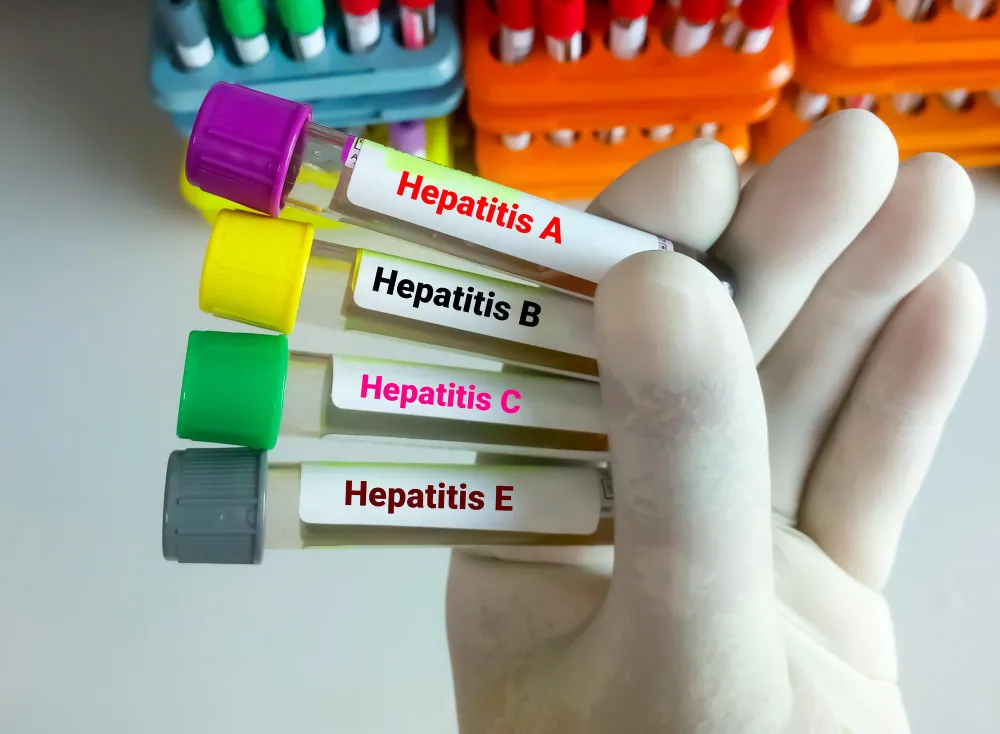
How We Diagnose Hepatitis B & C

Early, accurate diagnosis is the foundation of effective treatment. Our comprehensive diagnostic approach covers not only confirming the infection but also accurately assessing the degree of liver damage — which directly determines the treatment plan.

For Hepatitis B

  • HBsAg (Hepatitis B Surface Antigen): Confirms active infection
  • HBeAg and Anti-HBe: Indicates viral activity and immune response phase
  • HBV DNA (viral load): Quantifies amount of virus in the blood, guides treatment decisions
  • HBV genotype: Determines which antiviral is most effective
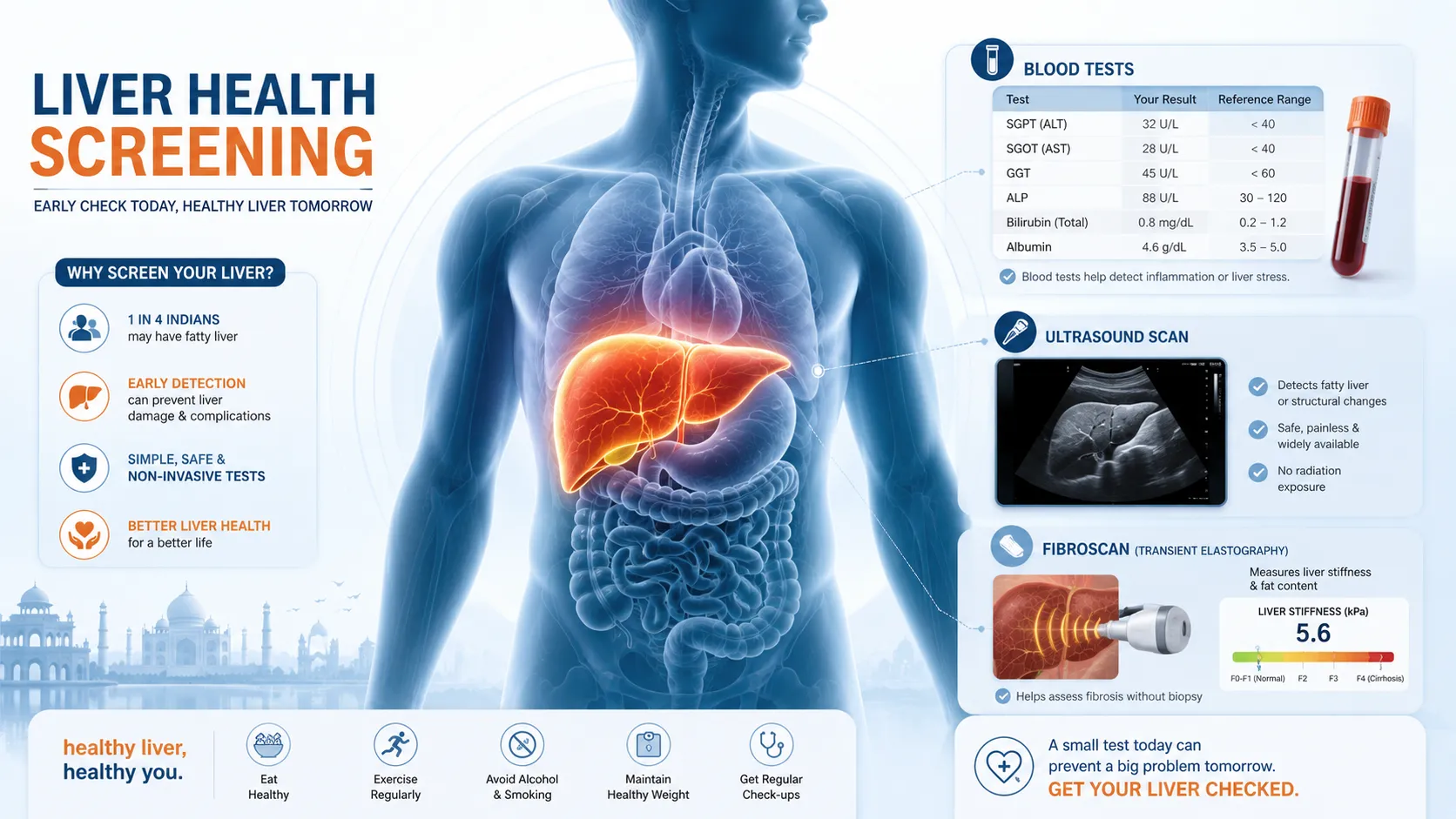
  • Liver function tests (LFTs): ALT, AST, bilirubin, albumin, INR
  • FibroScan or liver biopsy: Assesses degree of fibrosis and cirrhosis
  • Abdominal ultrasound: Detects liver texture changes, portal hypertension, and tumours

For Hepatitis C

  • Anti-HCV antibody test: Initial screening test
  • HCV RNA PCR: Confirms active infection and quantifies viral load
  • HCV genotype: Determines the most appropriate Direct-Acting Antiviral (DAA) regimen
  • Liver function tests and full blood count
  • FibroScan: Non-invasive assessment of liver stiffness and fibrosis stage
  • Ultrasound and advanced imaging: If cirrhosis or cancer is suspected

Treatment for Hepatitis B — Suppression & Long-Term Management

While Hepatitis B cannot currently be cured, modern antiviral medications can suppress the virus to undetectable levels — preventing further liver damage, reducing the risk of cirrhosis and liver cancer, and allowing patients to live normal, healthy lives.

Who Needs Treatment?

  • Patients with active viral replication (detectable HBV DNA) and elevated liver enzymes
  • Patients with significant fibrosis or cirrhosis regardless of viral load
  • Patients with decompensated cirrhosis due to Hepatitis B
  • Patients undergoing immunosuppressive therapy (chemotherapy, organ transplant)
  • Patients with a family history of liver cancer due to Hepatitis B

Treatment Options

  • Tenofovir Alafenamide (TAF) or Tenofovir Disoproxil Fumarate (TDF) — first-line antivirals with excellent safety and efficacy
  • Entecavir — an equally effective first-line option with a high barrier to resistance
  • Pegylated Interferon — used in selected patients seeking a finite course of treatment

Treatment is typically lifelong for most patients with chronic Hepatitis B. Dr. Ashish George will determine the right regimen based on your viral load, genotype, degree of liver damage, and overall health profile. Regular monitoring — typically every 3-6 months — is essential to assess viral suppression and screen for liver cancer.

Treatment for Hepatitis C — A Cure Is Now Possible

The landscape of Hepatitis C treatment has been revolutionised over the past decade. Modern Direct-Acting Antiviral (DAA) medications now achieve cure rates of over 95% — with an 8–12 week oral tablet course and minimal side effects. This is one of the most remarkable advances in modern medicine, and every patient with Hepatitis C deserves access to it.

Direct-Acting Antivirals (DAAs)

  • Sofosbuvir/Velpatasvir (Epclusa): Pan-genotypic, treats all HCV genotypes
  • Glecaprevir/Pibrentasvir (Mavyret): Highly effective 8-week regimen for most patients
  • Sofosbuvir/Ledipasvir: Particularly effective for Genotype 1, the most common in India
  • Sofosbuvir/Daclatasvir: Affordable option widely used in India

The goal of Hepatitis C treatment is to achieve Sustained Virological Response (SVR) — meaning the virus is undetectable in the blood 12 weeks after completing treatment. SVR is considered a complete cure. After achieving SVR, the risk of liver cancer drops significantly, fibrosis can partially reverse, and overall life expectancy improves dramatically.

Can Hepatitis C Be Treated Even With Cirrhosis?

Yes — patients with cirrhosis due to Hepatitis C can and should be treated with DAAs. In compensated cirrhosis, cure rates remain very high. In decompensated cirrhosis, treatment is more complex but still achievable, often in combination with liver transplant evaluation. Achieving SVR even after liver transplantation is standard practice at our centre.

Hepatitis C Treatment Cost in India

One of the most significant advantages of seeking Hepatitis C treatment in India is the dramatically lower cost compared to Western countries — without any compromise in treatment quality. Generic DAA medications approved by India's Central Drugs Standard Control Organisation (CDSCO) are widely available at a fraction of the global brand price.

  • Branded DAA treatment in the USA or UK: ₹50,000 – ₹1,00,000+ per month
  • Generic DAA treatment in India: ₹5,000 – ₹20,000 for the full 8–12 week course
  • Full Hepatitis C cure (medications + consultations + monitoring): ₹20,000 – ₹80,000 in most cases

Dr. Ashish George will prescribe the most clinically appropriate and cost-effective regimen for your specific genotype and liver condition. All costs are discussed transparently during consultation.

Hepatitis & Liver Cancer — What You Need to Know

Both Hepatitis B and Hepatitis C significantly increase the risk of developing hepatocellular carcinoma (HCC) — the most common form of liver cancer. In fact, viral hepatitis is responsible for over 70% of liver cancer cases worldwide.

  • Hepatitis B patients with cirrhosis have a 2–5% annual risk of developing liver cancer.
  • Even Hepatitis B patients without cirrhosis carry a risk — lifelong surveillance is essential.
  • After curing Hepatitis C with DAAs, liver cancer risk drops significantly — but does not disappear entirely in patients who already have cirrhosis.
  • All patients with Hepatitis B or C and cirrhosis should receive 6-monthly liver ultrasound and AFP blood tests for liver cancer screening.

Dr. Ashish George and the team at liversurgeons.com provide integrated surveillance and cancer screening as part of every hepatitis management programme.

Your Treatment Journey — Step by Step

1. Initial Consultation & Blood Tests

Comprehensive blood panel — HBsAg, HCV antibody, viral load, genotype, liver function tests, and full metabolic workup.

2. Liver Fibrosis Staging

FibroScan or liver biopsy to determine the degree of fibrosis — essential for treatment planning and monitoring.

3. Personalised Treatment Plan

Dr. Ashish George prescribes the most appropriate antiviral regimen based on virus type, genotype, viral load, and liver condition.

4. Treatment Commencement & Monitoring

Begin antiviral therapy with regular blood test monitoring at 4 weeks, 8 weeks, and end of treatment to confirm viral suppression or cure.

5. SVR Assessment (Hepatitis C)

Blood test 12 weeks after completing treatment confirms whether SVR (cure) has been achieved.

6. Long-Term Surveillance

Lifelong monitoring for Hepatitis B patients. Post-SVR monitoring and liver cancer screening for cured Hepatitis C patients with prior cirrhosis.

Don’t Let Hepatitis Steal Your Health – Act Now!

Testimonials

What Our Patient's are Saying

HEPATITIS QUESTIONS

Hepatitis FAQs

Currently, Hepatitis B cannot be permanently cured — but it can be effectively suppressed with antiviral medication to undetectable levels, preventing liver damage, cirrhosis, and cancer. Research into a functional cure for Hepatitis B is ongoing, with several promising therapies in clinical trials.

Most patients are cured of Hepatitis C in 8–12 weeks with modern DAA medications. The exact duration depends on the genotype, prior treatment history, and whether the patient has cirrhosis. Treatment is taken as daily oral tablets — no injections required with modern regimens.

Yes — highly effective, affordable generic DAA medications are available in India and widely used at our centre. The cure rate exceeds 95% in most patient groups. The full treatment course can cost as little as ₹5,000–₹20,000 for the medications alone.

Yes — liver transplantation is performed for both Hepatitis B and C patients with end-stage liver disease. Hepatitis B recurrence post-transplant is effectively prevented with a combination of antiviral medications and Hepatitis B immunoglobulin (HBIG). Hepatitis C patients are typically cured with DAAs before or after transplantation.

Yes — household members and sexual partners of patients with Hepatitis B should be tested and, if unvaccinated, should receive the full Hepatitis B vaccination series immediately. Hepatitis B vaccination is safe, effective, and prevents infection in over 95% of recipients.

Once SVR is achieved with DAA therapy, the cure is considered permanent — the virus does not relapse. However, reinfection is possible if a person is re-exposed to the virus. Patients with prior Hepatitis C who have cirrhosis should continue regular liver cancer screening even after cure.

WhatsApp Call
WhatsApp Call