When Should You Consult a Liver Surgeon in Delhi? Warning Signs You Should Not Ignore
Learn when jaundice, abnormal liver tests, abdominal swelling, bile duct blockage or other warning signs require specialist liver evaluation.
Read More
Jaundice is not a disease in itself — it is a symptom, a yellow discolouration of the skin, whites of the eyes (sclera), and mucous membranes caused by an elevated level of bilirubin in the blood. Bilirubin is a yellow pigment produced when red blood cells break down. Normally, the liver processes bilirubin and excretes it through bile. When this process is disrupted — due to liver disease, bile duct obstruction, or excessive red blood cell breakdown — bilirubin accumulates in the body, causing the characteristic yellow tinge.
Jaundice is one of the most common reasons patients visit a liver specialist in India. It can range from a mild, self-limiting condition (such as in newborns) to a serious sign of significant underlying liver or biliary disease that requires urgent specialist evaluation and treatment.
At liversurgeons.com, Dr. Ashish George and the team have extensive experience in diagnosing and treating all types and causes of jaundice — from acute hepatitis to complex biliary obstructions and liver failure.




Life-saving dual organ transplantation with 80% 5-year survival rates
Caused by excessive breakdown of red blood cells (haemolysis), producing more bilirubin than the liver can process. The liver itself is typically healthy.
Common causes:
The most common type seen at a liver specialist clinic — caused by damage or disease within the liver itself that impairs its ability to process bilirubin.
Common causes:
Caused by blockage of the bile ducts outside the liver, preventing bile — and the bilirubin it contains — from draining into the intestine. This is a serious cause that often requires procedural or surgical intervention.
Common causes:
Extremely common in newborns, typically due to the immature liver's inability to process bilirubin rapidly enough. Most cases resolve without treatment. However, persistent or severe neonatal jaundice — particularly with pale stools — requires urgent paediatric liver evaluation to rule out biliary atresia.
The yellow discolouration itself is the defining feature of jaundice, but accompanying symptoms provide important clues about the underlying cause:
Identifying the precise cause of jaundice is essential — because the treatment is entirely determined by the underlying diagnosis. Our systematic diagnostic approach leaves nothing to chance.
Acute viral hepatitis (especially A and E) is usually self-limiting and managed with supportive care: rest, hydration, and avoidance of alcohol and liver-toxic drugs. Chronic Hepatitis B and C require antiviral therapies — see our hepatitis treatment page for details.
Total alcohol abstinence is the most important. Treatment can include corticosteroids, nutritional supplements, and monitoring, depending on severity (Maddrey or MELD score). Severe cases with liver failure require transplant evaluation.
Immediate withdrawal of the offending medication is essential. Recovery is typical within weeks. Anti-tuberculosis drug-induced jaundice is common in India and needs specialized care.
Jaundice due to cirrhosis means worsening liver function. Management includes controlling fluid buildup (ascites), preventing/treating variceal bleeding and encephalopathy, and considering transplant evaluation for eligible patients.
Acute liver failure with jaundice is a medical emergency — requiring immediate hospital admission to a specialized Liver ICU. Supportive care is provided while the cause is treated; emergency transplantation may be life-saving.
Jaundice itself is a symptom — its danger depends entirely on the underlying cause. Mild jaundice from acute viral hepatitis in a young, otherwise healthy person is usually self-limiting. Jaundice in the setting of liver failure, bile duct cancer, or pancreatic cancer is a serious sign requiring urgent specialist attention.
Mild jaundice from viral hepatitis A or E can be managed at home with rest, adequate hydration, and avoidance of alcohol and hepatotoxic drugs — under specialist supervision and with regular blood test monitoring. Any jaundice with fever, severe abdominal pain, or confusion requires immediate hospital evaluation.
Duration depends on the cause. Acute viral hepatitis jaundice typically resolves within 2–6 weeks. Jaundice from bile duct obstruction will persist until the blockage is relieved. Jaundice in liver failure may be prolonged and indicates severe disease.
Patients with jaundice should eat small, frequent, easily digestible meals — avoiding fatty, fried, and spicy foods that stress the liver. Adequate hydration is important. Alcohol must be completely avoided. A diet rich in fruits, vegetables, and whole grains supports liver recovery.
For jaundice suspected to be liver-related, a dedicated liver specialist (hepatologist) offers the most comprehensive care — including advanced diagnostics (FibroScan, liver biopsy), antiviral treatment for hepatitis, and access to interventional and surgical procedures when needed.
Expert guidance on jaundice warning signs, liver disease evaluation, bile duct and HPB conditions, hepatitis, liver screening, transplant assessment and post-transplant complications.

Learn when jaundice, abnormal liver tests, abdominal swelling, bile duct blockage or other warning signs require specialist liver evaluation.
Read More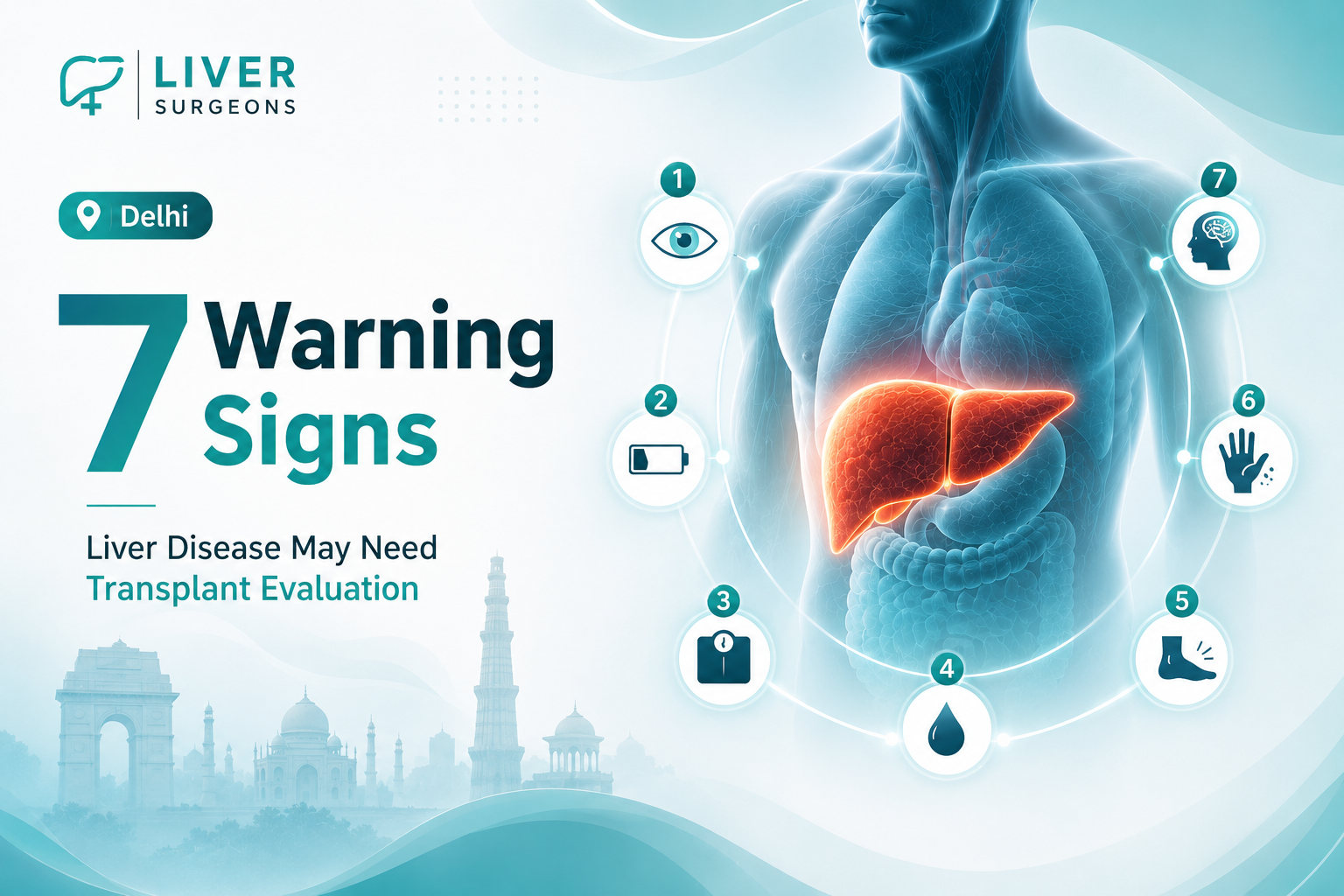
Recognise worsening jaundice, confusion, fluid retention and other serious signs that may indicate advanced liver disease or liver failure.
Read More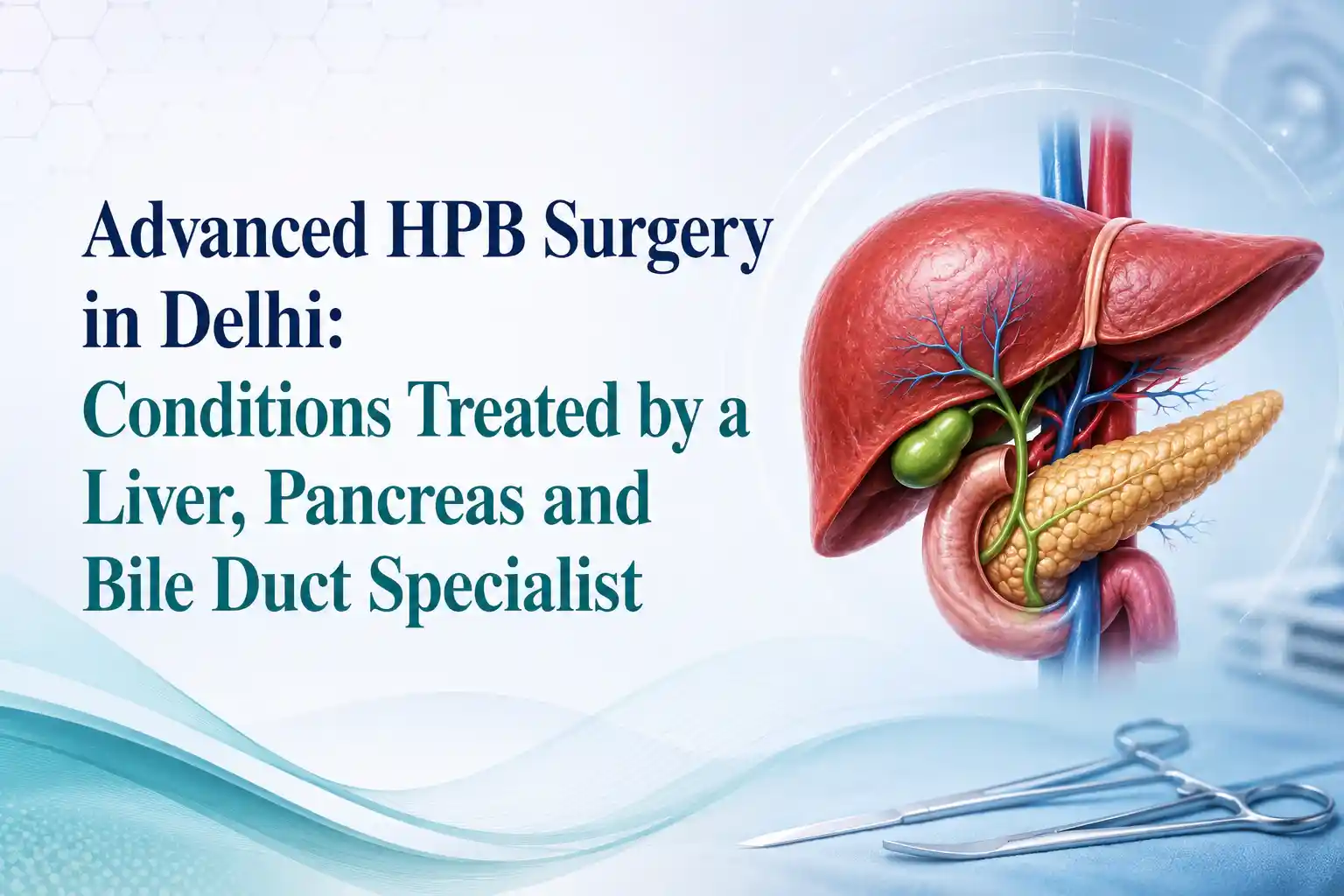
Learn about advanced treatment for liver, pancreas, gallbladder and bile duct conditions including obstructive jaundice, bile duct cancer and pancreatic disease.
Read More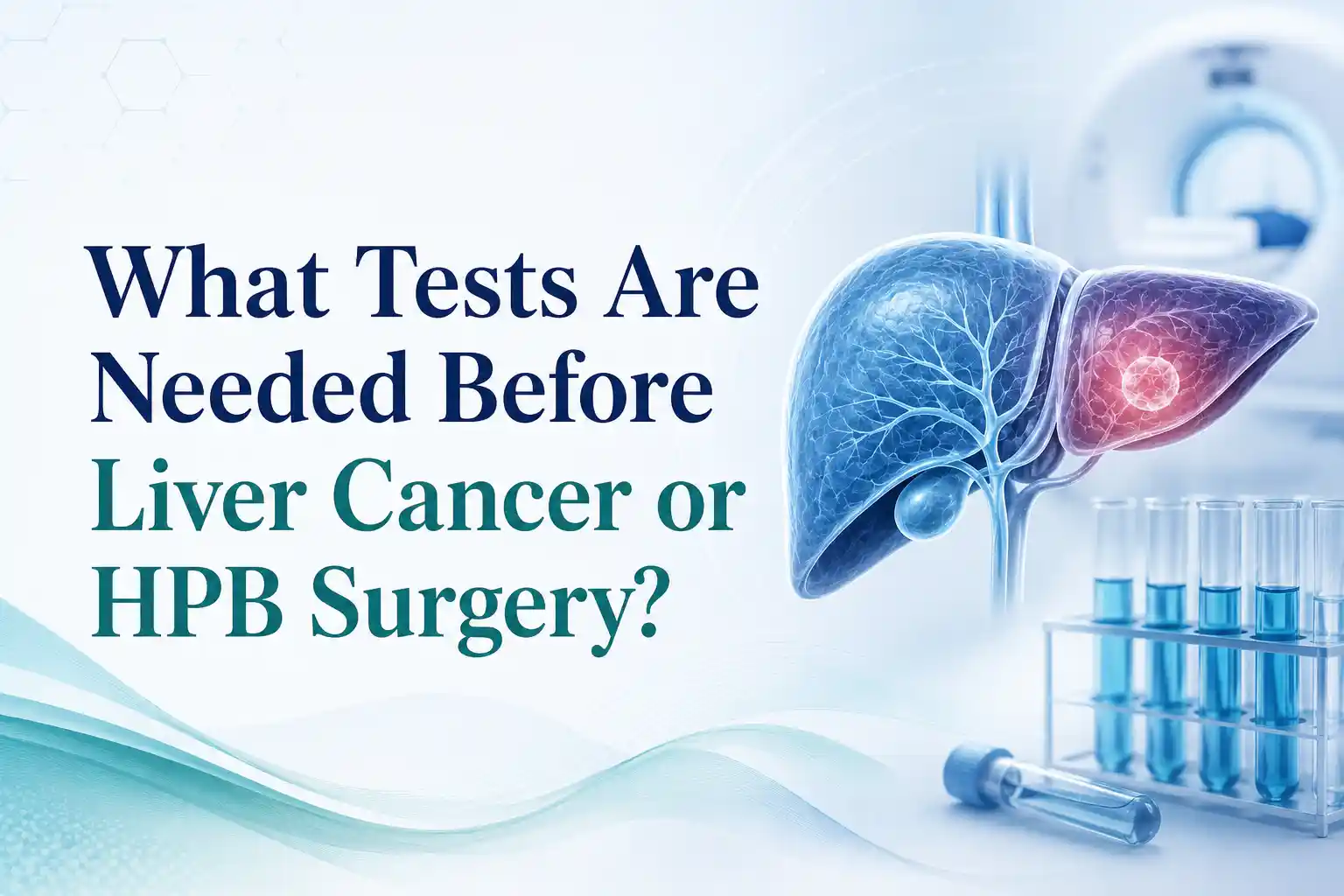
Understand bilirubin testing, liver function tests, ultrasound, CT, MRI, MRCP and other investigations used before complex HPB surgery.
Read More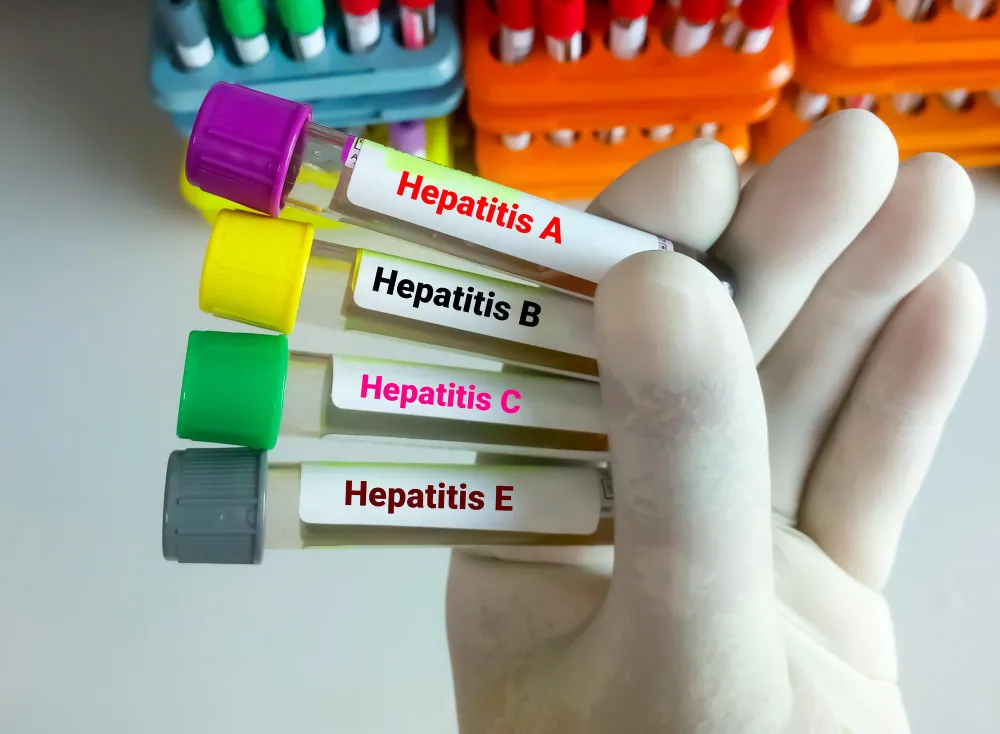
Compare Hepatitis B and C, including symptoms, treatment, chronic liver damage, cirrhosis and liver cancer risk.
Read More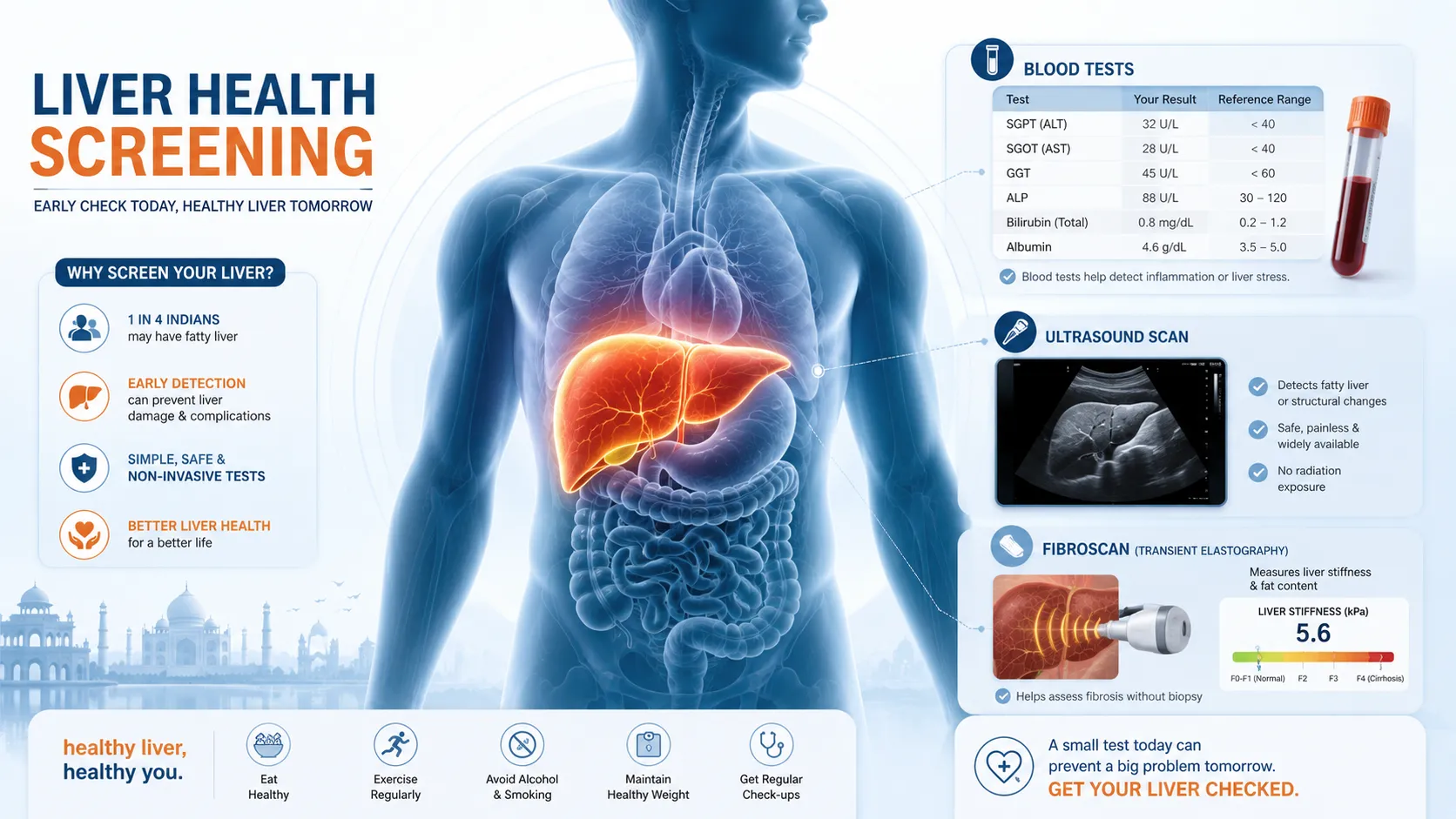
Learn how LFTs, bilirubin, ultrasound, FibroScan and hepatitis tests help identify the underlying cause of liver disease and jaundice.
Read More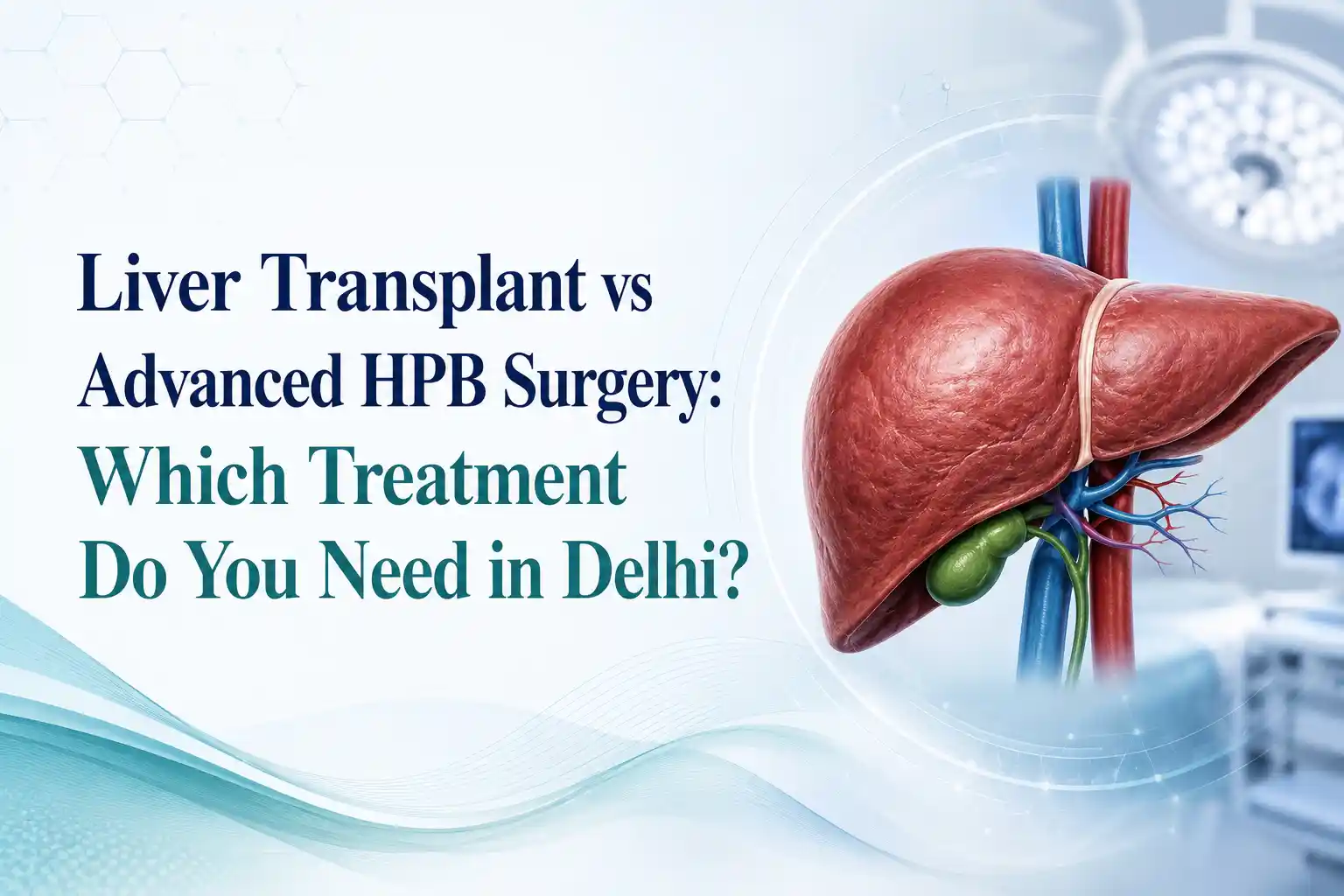
Understand when advanced liver failure may require transplantation and when bile duct, pancreatic or liver disease may be treated with HPB surgery.
Read More
Learn about jaundice, dark urine, pale stools, bile duct complications, rejection and other warning signs after liver transplant.
Read More