Acute vs Chronic Pancreatitis: Symptoms, Causes and Treatment

Principal Consultant & Unit Head, Liver Transplant & HPB Surgery, Fortis Hospital, Shalimar Bagh, Delhi
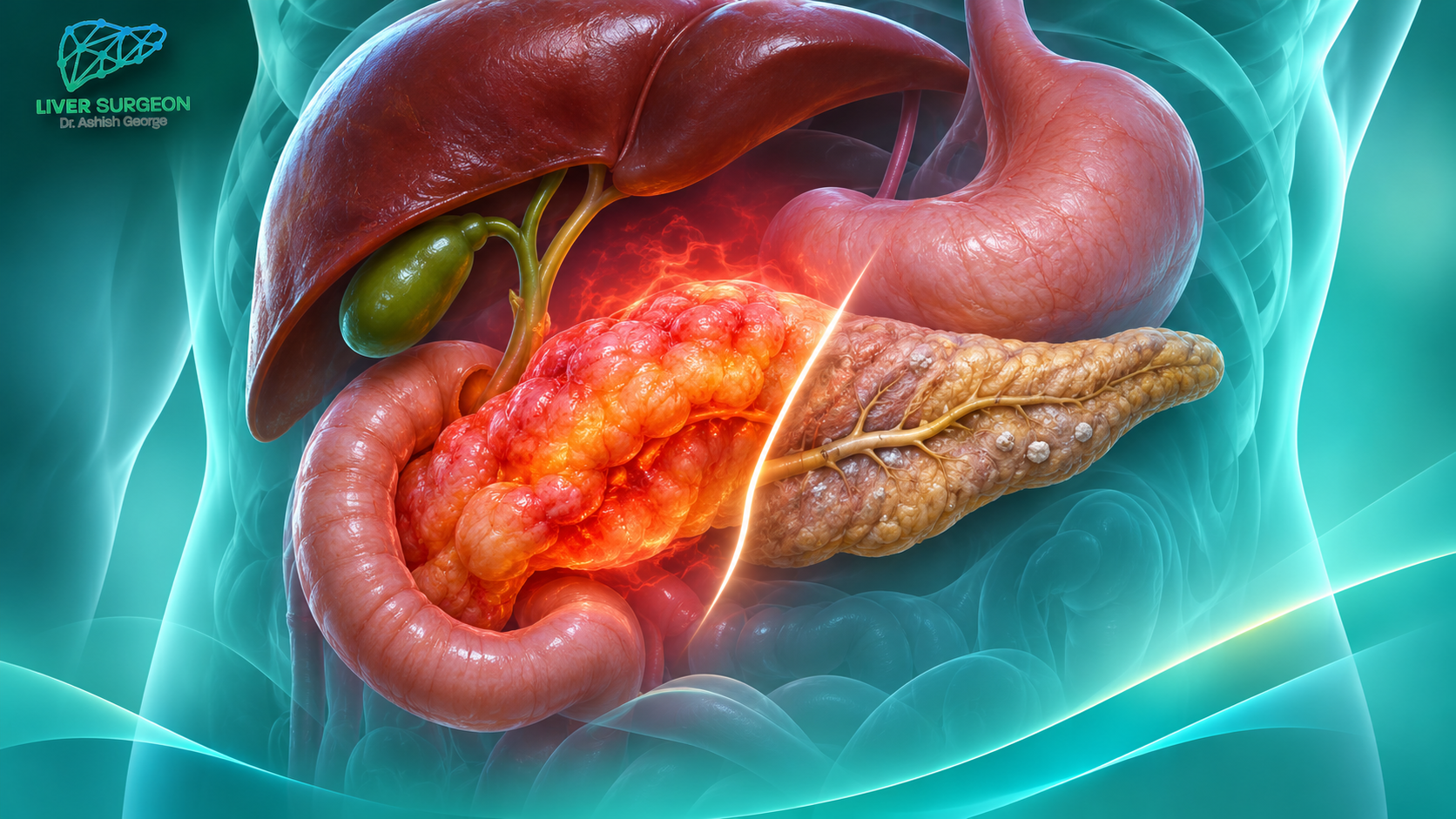
Pancreatitis is inflammation of the pancreas. Acute pancreatitis begins suddenly and may settle after treatment. Chronic pancreatitis causes ongoing structural damage that can lead to repeated pain, poor digestion and diabetes.
Both conditions can be serious, but their causes, tests and long-term treatment are different.
What Does the Pancreas Do?
The pancreas lies behind the stomach. It produces digestive enzymes and hormones, including insulin, which helps control blood sugar.
Inflammation can activate digestive enzymes too early, damaging pancreatic tissue and surrounding structures.
Acute vs Chronic Pancreatitis at a Glance
| Feature | Acute pancreatitis | Chronic pancreatitis |
|---|---|---|
| Onset | Sudden | Recurrent or persistent over time |
| Damage | May resolve completely | Permanent structural damage can develop |
| Common causes | Gallstones, alcohol, high triglycerides, medicines and other causes | Long-term alcohol exposure, smoking, genetic or structural causes and recurrent acute pancreatitis |
| Main symptom | Severe upper abdominal pain, often spreading to the back | Recurrent or persistent pain, weight loss and digestive problems |
| Hospital care | Frequently required | Depends on symptoms and complications |
| Surgery | Treats selected causes or complications | Can relieve pain and treat obstruction or an inflammatory mass in selected patients |
Symptoms of Acute Pancreatitis
Common symptoms include:
- Sudden severe upper abdominal pain
- Pain spreading to the back
- Nausea and vomiting
- Abdominal tenderness or swelling
- Fever
- Rapid pulse
- Weakness or dehydration
Severe pancreatitis may affect the lungs, kidneys, circulation and other organs. It requires urgent hospital care.
Symptoms of Chronic Pancreatitis
Chronic pancreatitis may cause:
- Repeated or constant upper abdominal pain
- Pain after eating
- Unexplained weight loss
- Oily, pale or difficult-to-flush stools
- Bloating or diarrhoea
- Diabetes
- Reduced appetite
Some patients develop less pain as the pancreas becomes more damaged, so reduced pain does not necessarily mean recovery.
Common Causes
Gallstones
A gallstone can block the shared opening of the bile and pancreatic ducts, triggering acute pancreatitis. Gallbladder removal is often advised after recovery to reduce recurrence.
Alcohol and Smoking
Heavy alcohol exposure can cause acute or chronic pancreatitis. Smoking independently increases the risk of chronic damage and should be stopped.
High Triglycerides
Very high blood triglyceride levels can trigger acute pancreatitis and require metabolic treatment.
Medicines, Calcium and Autoimmune Disease
Certain medicines, high calcium, autoimmune pancreatitis and infections are less common causes.
Structural or Genetic Causes
Duct abnormalities, pancreas divisum and inherited conditions may be considered, especially in younger patients or those with recurrent unexplained attacks.
How Is Pancreatitis Diagnosed?
Assessment may include:
- Blood lipase and amylase
- Liver-function tests to look for a gallstone cause
- Blood count, kidney function, calcium, glucose and triglycerides
- Abdominal ultrasound
- Contrast CT when required
- MRCP to examine the bile and pancreatic ducts
- Endoscopic ultrasound in selected cases
- Tests for pancreatic function or malabsorption
Chronic pancreatitis can be difficult to detect early. Diagnosis should combine symptoms, imaging and functional assessment.
Treatment of Acute Pancreatitis
Treatment is usually provided in hospital and may include:
- Intravenous fluids
- Pain relief and anti-nausea medicines
- Early nutrition as advised
- Oxygen or organ support in severe cases
- Treatment of high triglycerides, infection or another underlying cause
- ERCP when there is an obstructed bile duct or cholangitis
- Gallbladder removal for gallstone pancreatitis after the patient is stable
- Drainage or surgery for selected infected or symptomatic collections
Antibiotics are not automatically required for every attack. They are used when infection is suspected or confirmed.
Treatment of Chronic Pancreatitis
Management may include:
- Complete alcohol avoidance and smoking cessation
- Pain treatment under medical supervision
- Pancreatic enzyme replacement with meals
- Nutrition support and vitamin monitoring
- Diabetes management
- Endoscopic treatment for selected duct stones or narrowing
- Drainage of symptomatic pseudocysts
- Surgery for selected patients with persistent pain, an obstructed duct, complications or concern about cancer
When Is Surgery Needed?
Surgery is considered when symptoms remain severe despite appropriate medical or endoscopic treatment, when the pancreatic duct is obstructed, when complications develop or when an inflammatory mass cannot be safely distinguished from cancer.
Operations may include:
- Frey procedure: For an enlarged inflammatory pancreatic head with a dilated duct
- Lateral pancreaticojejunostomy: For a dilated, obstructed pancreatic duct
- Distal pancreatectomy: For selected disease affecting the body or tail of the pancreas
- Whipple procedure: For selected head-dominant disease or a suspected tumour
Learn more about chronic pancreatitis surgery in Delhi .
Complications That Need Specialist Care
- Pancreatic pseudocyst or walled-off necrosis
- Infection
- Bile-duct or duodenal obstruction
- Internal bleeding or pseudoaneurysm
- Pancreatic ascites or fistula
- Severe malnutrition
- Diabetes
- Concern about pancreatic cancer
When to Seek Emergency Care
Go to hospital for severe persistent abdominal pain, repeated vomiting, fever, jaundice, fainting, breathlessness, confusion or reduced urine output.
Pancreatitis Treatment in Delhi
Complex pancreatitis benefits from a coordinated team involving gastroenterology, intensive care, interventional radiology, nutrition and an HPB surgeon.
Dr Ashish George and the HPB team at Fortis Hospital, Shalimar Bagh assess recurrent pancreatitis, pancreatic collections, duct obstruction and patients who may need the Frey procedure, pancreatic drainage or resection.
Conclusion
Acute pancreatitis is a sudden illness that may resolve, while chronic pancreatitis causes long-term damage. The correct treatment depends on the cause, severity, duct anatomy, complications and nutritional status.
Repeated attacks, weight loss, oily stools, diabetes or persistent pain should not be managed with pain medicine alone. A structured pancreatic assessment can identify treatable obstruction and determine whether medical, endoscopic or surgical care is most appropriate.
Consult an HPB Surgeon in Delhi
If you have recurrent pancreatitis, persistent abdominal pain, weight loss, pancreatic collections, duct obstruction or complications of chronic pancreatitis, arrange a specialist review with Dr Ashish George at Fortis Hospital, Shalimar Bagh, Delhi.
Frequently Asked Questions
Can Acute Pancreatitis Become Chronic?
Repeated attacks can contribute to permanent pancreatic damage, particularly when the underlying cause continues.
Is Pancreatitis Always Caused by Alcohol?
No. Gallstones are a common cause of acute pancreatitis. Triglycerides, medicines, structural conditions and other diseases can also cause it.
Can Chronic Pancreatitis Be Cured?
Established structural damage generally cannot be reversed, but treatment can control pain, improve nutrition and address complications.
Does Every Patient Need Surgery?
No. Surgery is reserved for selected patients after specialist assessment.
Can Pancreatitis Cause Diabetes?
Yes. Chronic pancreatic damage can reduce insulin production and cause pancreatogenic diabetes.
About the Author
Dr Ashish George is a liver transplant and HPB surgeon in Delhi with experience in pancreatic drainage procedures, pancreatic resection, Whipple surgery and multidisciplinary management of complex pancreatitis.
Medical Sources for Reviewer