Advanced HPB Surgery in Delhi: Conditions Treated
Explore advanced surgical treatment for chronic pancreatitis, pancreatic duct obstruction, complex pancreatic disease and other HPB conditions.
Read More
Chronic pancreatitis surgery relieves pain, restores pancreatic drainage, and manages complications when the pancreas has been irreversibly damaged by long-standing inflammation. Chronic pancreatitis causes progressive scarring, blockage of the pancreatic duct, calcification of pancreatic tissue, and severe recurring pain that eventually stops responding to medication. When medical and endoscopic treatment no longer controls the disease, surgery is the definitive step.
The most common driver of surgery is chronic calcific pancreatitis, where hardened calcium stones block the pancreatic duct and trap digestive enzymes, causing repeated attacks of pain and inflammation. Chronic pancreatitis treatment in Delhi also addresses acute on chronic pancreatitis, pancreatic pseudocysts, duct strictures, and, in advanced cases, end-stage disease requiring total pancreatectomy.
At Liver Surgeons, all chronic pancreatitis treatment is led by Dr. Ashish George, a specialist liver transplant and HPB surgeon at Fortis Hospital, Shalimar Bagh, Delhi, with 15 or more years of experience and 150 or more chronic pancreatitis surgeries performed, including complex Frey procedures and TPIAT. His pancreatic surgery programme is part of our wider advanced HPB surgery programme and includes both open and minimally invasive approaches.





Specialized surgical solutions for chronic pancreatitis and pancreatic disorders
Not every patient with chronic pancreatitis needs an operation. The recognised indications for surgery in chronic pancreatitis are specific, and getting the timing right is one of the most important decisions in the whole disease. You may be a candidate for chronic pancreatitis surgery in Delhi if you have any of the following:
One of the most consequential decisions in chronic pancreatitis is when to operate. This is an area where specialist experience makes a decisive difference to the outcome, and it is frequently mishandled.
The traditional approach delayed surgery until the pancreas had "burnt out". We now know that prolonged, uncontrolled pain leads to central sensitisation, where the nervous system continues to signal pain even after the pancreatic cause is corrected. Patients operated on very late often get less complete pain relief because the pain has become independent of the pancreas.
Evidence increasingly supports earlier surgical drainage in carefully selected patients: intervening before irreversible nerve changes set in gives the best and most durable pain relief. At our Delhi centre the timing of surgery is decided case by case, weighing duct anatomy, pain pattern, exocrine and endocrine function, and how much medical and endoscopic treatment has already been tried.
When a patient presents with an acute attack on a background of chronic disease, the acute inflammation is first stabilised. Definitive surgery is planned once the acute episode has settled, unless there is a complication such as an infected pseudocyst or duct disruption that needs earlier intervention.
The table below covers every chronic pancreatitis surgery procedure performed at our Delhi centre, with the situation each one suits.
| Procedure | When Used | Key Advantage |
|---|---|---|
| Frey Procedure | Enlarged, calcified pancreatic head with a dilated duct; the most common organ-sparing operation. | Relieves pain by coring out the head and draining the duct while preserving the gland and its endocrine function. |
| Lateral Pancreaticojejunostomy (Puestow) | Diffusely dilated pancreatic duct along the length of the gland. | Decompresses the whole duct into a loop of jejunum; low-risk drainage operation. |
| Whipple Surgery (Pancreaticoduodenectomy) | Disease or an inflammatory mass concentrated in the pancreatic head, or where cancer cannot be excluded. | Removes the diseased head definitively; the answer when malignancy is a concern. |
| Distal Pancreatectomy | Disease confined to the body and tail of the pancreas. | Removes the affected segment while preserving the head. |
| Total Pancreatectomy with Islet Autotransplantation (TPIAT) | End-stage disease with intractable pain unresponsive to all other treatment. | Removes the entire pancreas and reimplants the patient's own islet cells to reduce the risk of severe diabetes. |
| Pancreatic Pseudocyst Drainage | Large, symptomatic or infected pseudocyst. | Surgical or endoscopic drainage tailored to cyst size and location. |
Most important decision: Drain or resect. Organ-sparing drainage operations such as the Frey procedure and lateral pancreaticojejunostomy relieve pain while preserving pancreatic function, and are preferred wherever the duct is dilated. Resection procedures such as Whipple surgery for chronic pancreatitis or distal pancreatectomy are reserved for disease concentrated in one part of the gland or where cancer cannot be ruled out. Matching the operation to the anatomy is what separates a durable result from an early recurrence.
Whipple surgery for chronic pancreatitis (pancreaticoduodenectomy) removes the head of the pancreas along with the duodenum, part of the bile duct, and the gallbladder, then reconstructs the digestive tract. In chronic pancreatitis it is chosen when the disease and the pain are concentrated in an enlarged, inflamed pancreatic head, particularly when an inflammatory mass cannot be reliably distinguished from pancreatic or bile duct cancer .
Because it is technically demanding and carries a higher complication profile than drainage operations, the Whipple should be performed by a high-volume HPB surgeon. In experienced hands it gives excellent long-term pain relief for head-dominant chronic pancreatitis and removes any diagnostic uncertainty about cancer at the same time.
For end-stage chronic pancreatitis where pain is intractable and the whole gland is diseased, total pancreatectomy with islet autotransplantation (TPIAT) removes the entire pancreas and reimplants the patient's own insulin-producing islet cells into the liver. This reduces the risk of the severe, brittle diabetes that would otherwise follow removal of the whole pancreas. Around 70 percent of patients achieve partial or full insulin independence when islet cell viability is good.
Surgery for chronic pancreatitis in children is uncommon but important. Hereditary and genetic pancreatitis often presents early, and children with intractable pain and end-stage disease may be considered for TPIAT, which has particularly strong long-term results in the paediatric group because islet cell yield is usually high. Every paediatric case is assessed jointly with paediatric gastroenterology and endocrinology before any decision.
Understanding chronic pancreatitis surgery complications is an essential part of informed consent. The table below sets out the main risks, how they are detected, and how they are managed at our Delhi centre.
| Complication | How It Presents | How It Is Managed |
|---|---|---|
| Pancreatic fistula or leak | Fluid rich in amylase from a surgical drain in the first days after surgery. | Most settle with the drain left in place; persistent leaks may need endoscopic stenting. |
| Delayed gastric emptying | Nausea and inability to tolerate food, more common after Whipple surgery. | Managed with nutritional support and prokinetics; usually resolves over one to two weeks. |
| Diabetes (endocrine insufficiency) | Raised blood sugar after resection, especially total pancreatectomy. | TPIAT reduces this risk; insulin and endocrinology follow-up where needed. |
| Exocrine insufficiency | Weight loss, fatty stools and poor digestion after surgery. | Lifelong pancreatic enzyme replacement and dietitian support. |
| Recurrent or persistent pain | Pain that returns or never fully settles. | Reassessment of duct anatomy; addressed with pain specialists as part of a multidisciplinary plan. |
| Bleeding or infection | Standard major abdominal surgery risks. | Managed in a dedicated HPB unit with interventional radiology on site. |
Recovery depends on which operation is performed. After an organ-sparing drainage procedure such as the Frey procedure or lateral pancreaticojejunostomy, most patients are discharged within 7 to 10 days and return to normal activity within 4 to 6 weeks. Recovery after Whipple surgery or total pancreatectomy is longer, usually 2 to 3 weeks in hospital and 8 to 12 weeks to full activity. Our Delhi team uses Enhanced Recovery After Surgery (ERAS) protocols to shorten hospital stay, reduce complications, and speed return to normal life.
After surgery, patients are followed with pancreatic function tests, imaging, and dietitian and endocrinology input where needed. Lifestyle change, particularly complete alcohol cessation and stopping smoking, is essential to protect the result of surgery and prevent progression of the disease.
Chronic pancreatitis is a complex, lifelong condition, and outcomes depend heavily on the experience of the surgeon and the team around them. When choosing a chronic pancreatitis surgeon in Delhi or looking for the best doctor for chronic pancreatitis in India, consider:
Dr. Ashish George is among the leading chronic pancreatitis specialists in Delhi, with more than 15 years of HPB experience and a practice covering the full range of pancreatic surgery: Frey procedure, lateral pancreaticojejunostomy, Whipple surgery, distal pancreatectomy and TPIAT. Patients searching for chronic pancreatitis specialists near me or a chronic pancreatitis doctor in Delhi are referred to his team from across North India and abroad.
As a high-volume chronic pancreatitis hospital in Delhi, Fortis Shalimar Bagh combines a dedicated HPB unit, 3D pancreatic imaging for precise mapping of calcification and duct anatomy, minimally invasive options, and a full multidisciplinary team. International patients receive world-class outcomes at costs substantially lower than in Western countries, without any compromise in surgical technique or post-operative care.
Delhi is one of Asia's established destinations for pancreatic surgery, combining high case volume with costs typically 60 to 75 percent lower than comparable procedures in the United Kingdom, United States, or Australia. For patients travelling to Dr. George's practice:
Whether you have intractable pain, chronic calcific pancreatitis, a pancreatic pseudocyst, or a failed previous treatment, our Delhi team offers the full range of chronic pancreatitis treatment from a single specialist. Book a consultation with Dr. Ashish George at Fortis Hospital, Shalimar Bagh.
Drainage procedures such as the Frey procedure and lateral pancreaticojejunostomy give around 80 percent long-term pain relief by decompressing the blocked pancreatic duct and relieving inflammation. Results are best when surgery is done before pain becomes independent of the pancreas, which is why timing matters.
The main indications are intractable pain not controlled by medication or endoscopy, a blocked or dilated pancreatic duct, chronic calcific pancreatitis with obstructing stones, a symptomatic pancreatic pseudocyst, biliary or duodenal obstruction from an enlarged head, and an inflammatory mass where cancer cannot be excluded.
Whipple surgery for chronic pancreatitis is used when disease and pain are concentrated in the head of the pancreas, particularly when an inflammatory head mass cannot be distinguished from cancer. It removes the diseased head definitively and resolves diagnostic uncertainty at the same time.
Chronic pancreatitis surgery recovery time depends on the operation. After a Frey procedure or duct drainage, most patients go home in 7 to 10 days and return to normal activity in 4 to 6 weeks. After Whipple surgery or total pancreatectomy, expect 2 to 3 weeks in hospital and 8 to 12 weeks to full activity. Our Delhi team uses Enhanced Recovery Protocols to shorten hospital stay.
Islet autotransplantation (TPIAT) reimplants your own insulin-producing cells and helps reduce the risk of severe diabetes, with around 70 percent of patients achieving partial or full insulin independence when islet cell viability is good.
Yes, though it is uncommon. Children with hereditary or genetic pancreatitis and intractable pain may be considered for TPIAT, which has strong long-term results in the paediatric group. Every paediatric case is assessed jointly with paediatric gastroenterology and endocrinology.
The main chronic pancreatitis surgery complications are pancreatic leak, delayed gastric emptying, diabetes and exocrine insufficiency after resection, and persistent or recurrent pain. All are managed in a dedicated HPB unit with a multidisciplinary team and interventional radiology support.
Surgery corrects the structural problem, but chronic pancreatitis is a lifelong condition. Complete alcohol cessation, stopping smoking, and dietary change are essential to protect the result. Regular follow-up at our Delhi centre helps detect and manage any recurrence early.
Expert guidance on chronic pancreatitis, pancreatic surgery, advanced HPB procedures, robotic surgery, pre-operative evaluation, minimally invasive treatment and specialist pancreatic care.
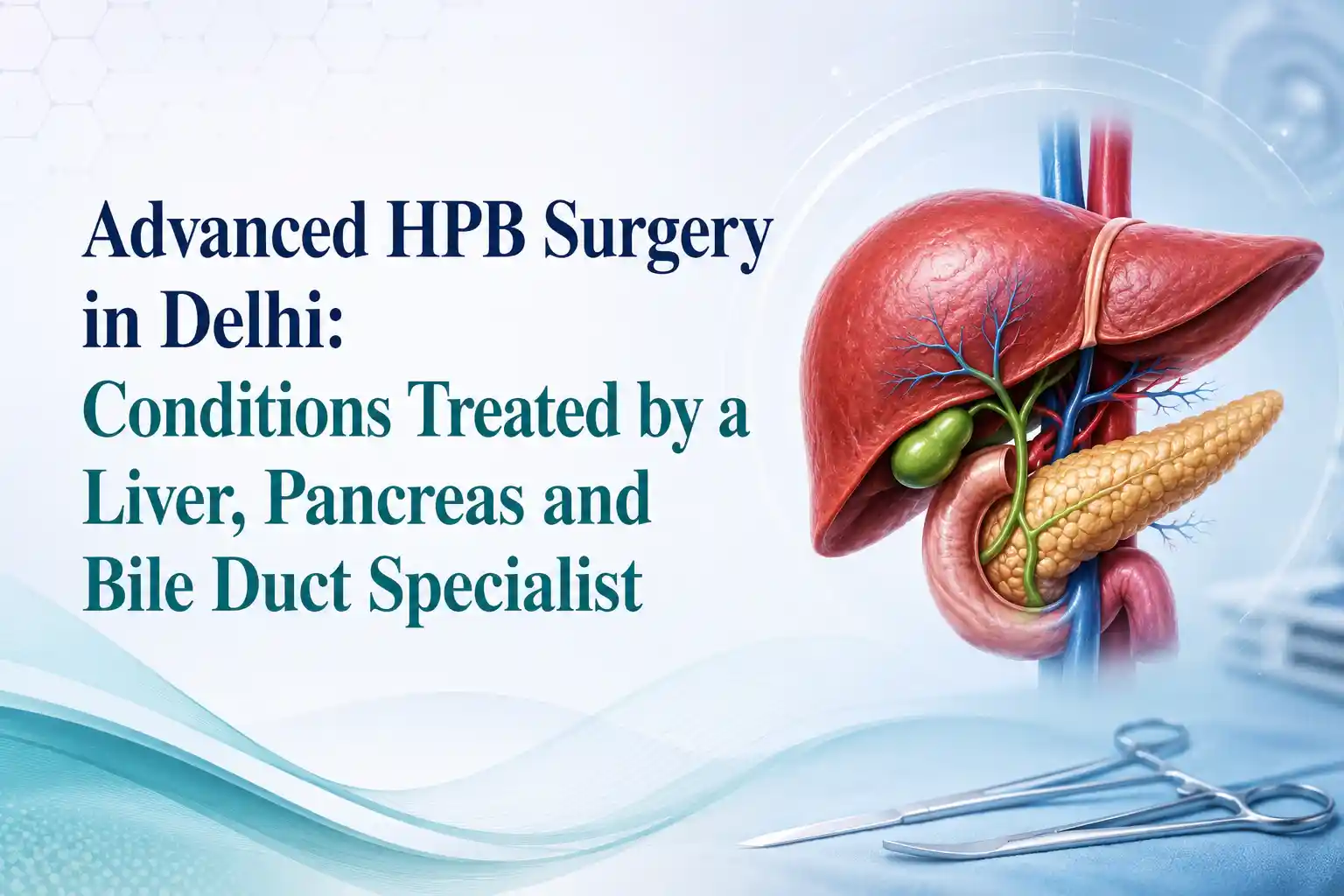
Explore advanced surgical treatment for chronic pancreatitis, pancreatic duct obstruction, complex pancreatic disease and other HPB conditions.
Read More
Understand HPB surgery for complex pancreatic, liver and bile duct conditions and when specialist surgical treatment may be required.
Read More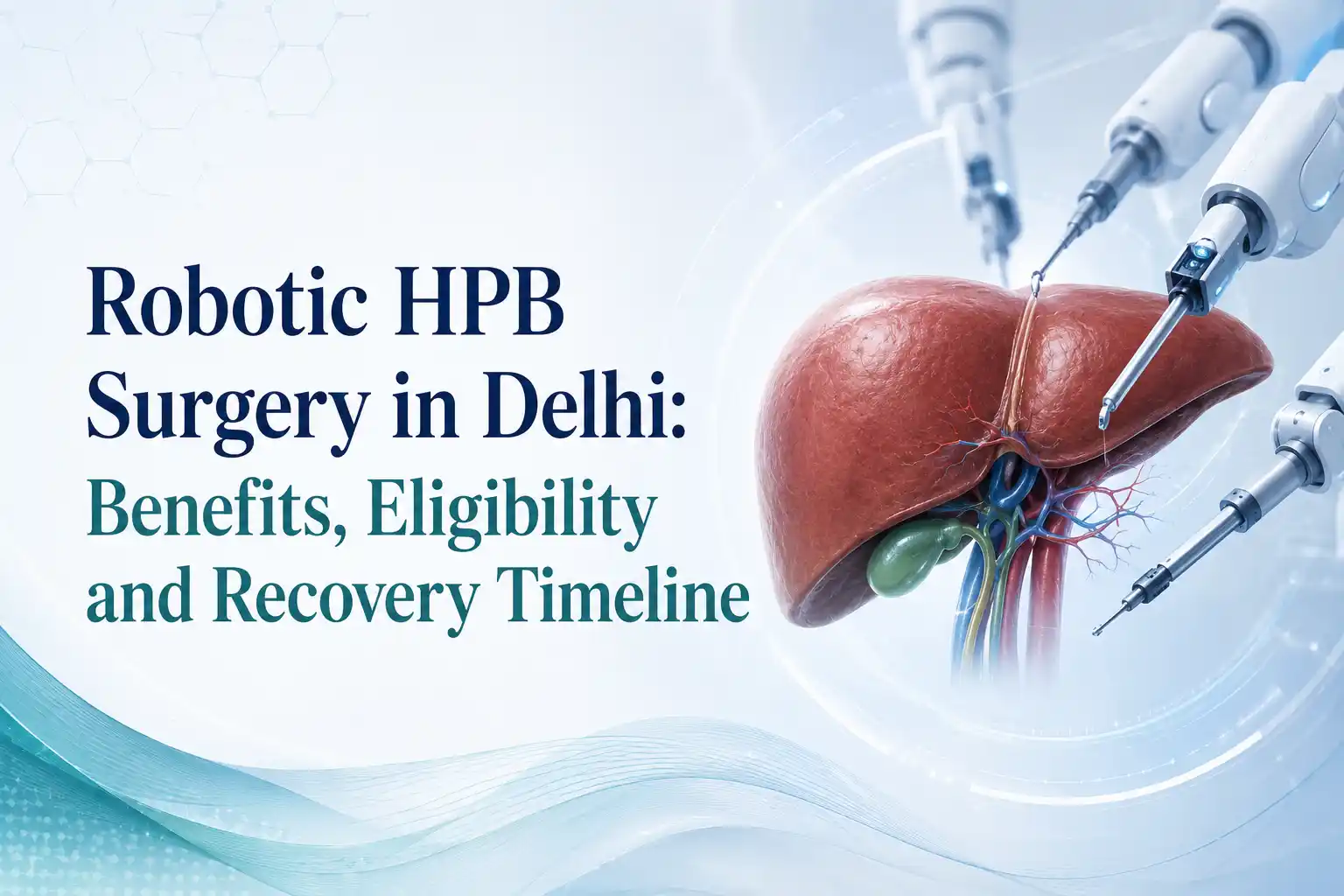
Learn how robotic HPB surgery may be used in selected pancreatic and chronic pancreatitis cases with smaller incisions and faster recovery.
Read More
Learn about CT, MRI, blood tests and other investigations used before complex pancreatic, Whipple and HPB surgery.
Read More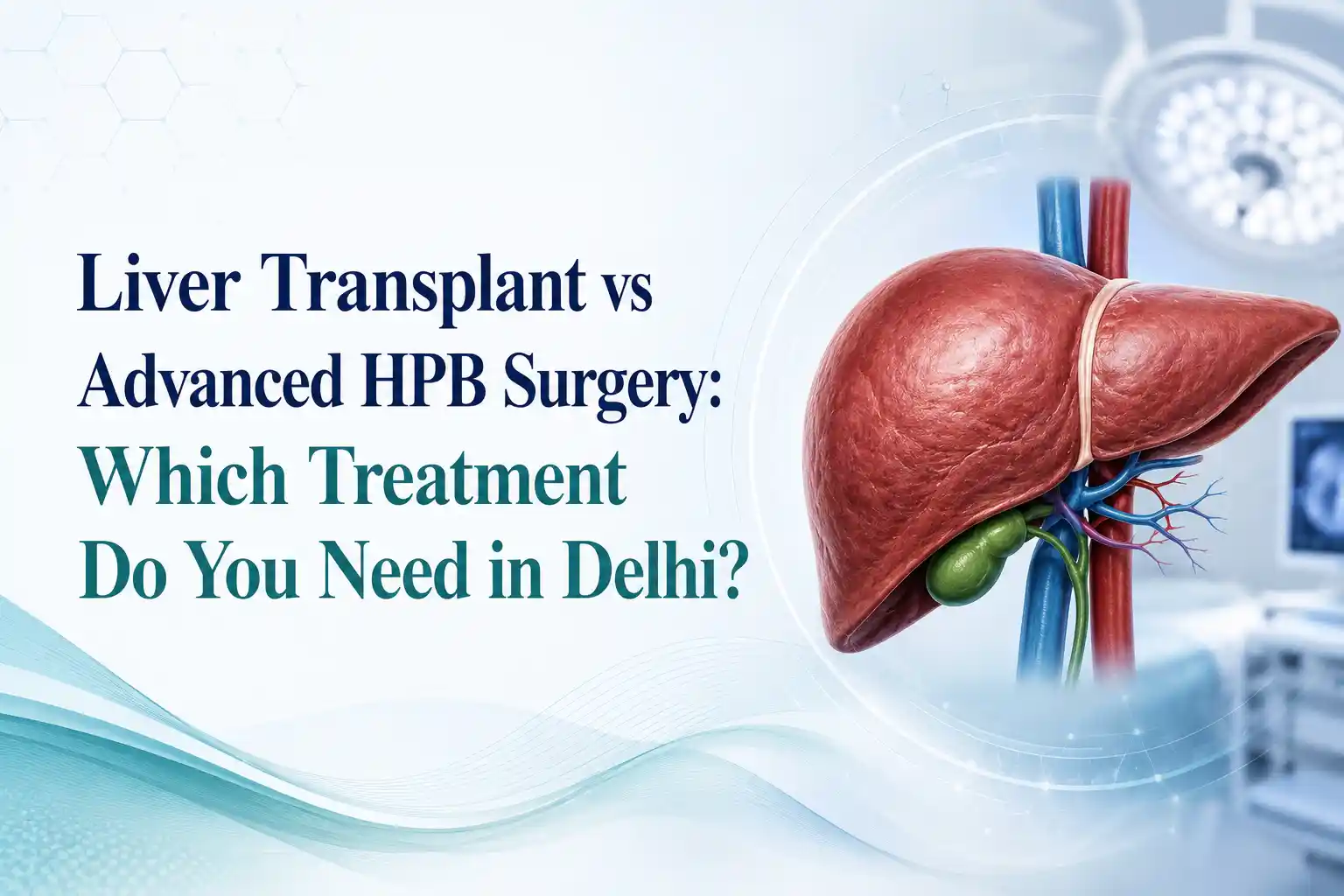
Understand how advanced HPB surgery treats chronic pancreatitis, pancreatic disease and other complex abdominal conditions.
Read More
Learn what surgical experience, pancreatic case volume and hospital infrastructure matter when choosing an HPB surgeon.
Read More
Compare robotic, laparoscopic and traditional open surgical approaches, including differences in precision, incision size and recovery.
Read More
Learn when persistent abdominal pain, unexplained weight loss, jaundice, pancreatic disease or abnormal imaging needs specialist review.
Read More