The Alarming Rise of Fatty Liver in Indian Children
.webp)
Principal Consultant & Unit Head, Liver Transplant & HPB Surgery, Fortis Hospital, Shalimar Bagh, Delhi
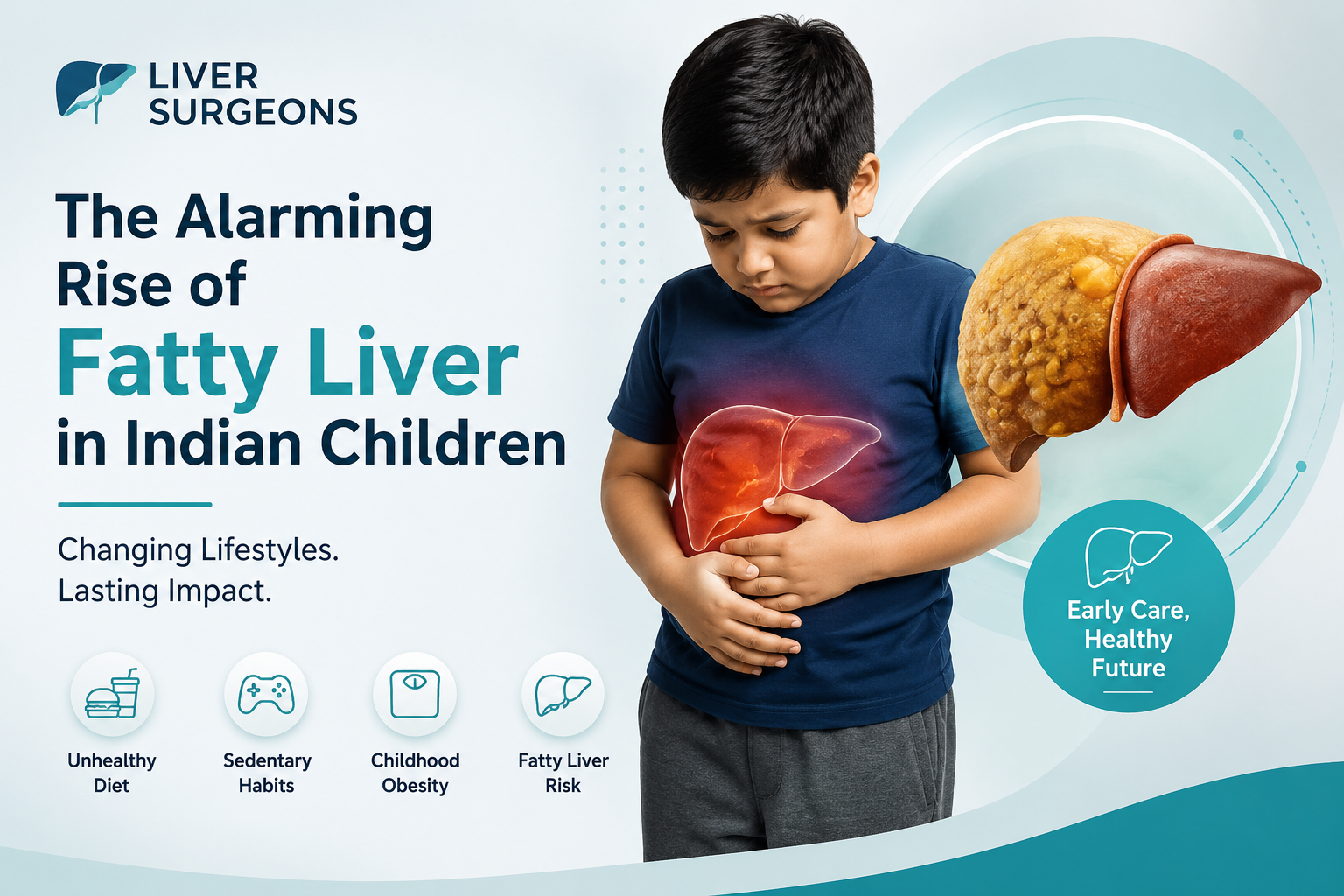
A few years ago, if you had told me I would be discussing fatty liver in a ten-year-old, I would have been surprised. Today it barely raises an eyebrow in clinics across the country. Fatty liver, once a condition we associated with middle-aged adults who drank too much, is now being found in children who have never touched alcohol in their lives. As a liver surgeon, this worries me deeply, because the child with a fatty liver today can become the adult who needs a transplant tomorrow.
If you are a parent, this is not written to frighten you. It is written so you can catch something early that is almost always reversible when you do.
What Fatty Liver in Children Actually Is
Fatty liver, now medically called MASLD (metabolic dysfunction-associated steatotic liver disease, the newer name for non-alcoholic fatty liver disease), simply means too much fat has built up inside the liver cells. In children, it is driven by the same forces reshaping childhood itself: more screen time, less play, sugary drinks, and ultra-processed food.
The liver is a patient organ. It absorbs a great deal of abuse before it complains. That is exactly why fatty liver in children is so easy to miss, and so important to look for.
The Numbers That Concern Me
The scale of this is no longer a suspicion, it is measured. Recent Indian research has found that among overweight and obese children aged 11 to 15, close to 62% already had signs of fatty liver disease, most of them without any obvious symptoms. Some estimates suggest that around a third of Indian children may be affected in some degree. Worryingly, many of these children also showed early signs of insulin resistance, high triglycerides and raised blood pressure, the same cluster that drives heart disease and diabetes in adulthood.
This mirrors what we now see in adults. A large study published in The Lancet Regional Health – Southeast Asia in 2026 found that nearly four in ten Indian adults have fatty liver disease, and most do not know it. On World Hepatitis Day this year, doctors at AIIMS Delhi described fatty liver as a silent epidemic affecting millions. Our children are simply the leading edge of that same wave.
Why "Silent" Is the Dangerous Part
Parents often say the same thing to me: "But he seems perfectly healthy." That is the trap. A child with fatty liver usually looks and feels fine. There is no pain, no yellow eyes, no obvious sign. It is frequently discovered by accident, when a routine blood test shows mildly raised liver enzymes, or an ultrasound done for another reason picks it up.
Left unchecked over years, fat in the liver can trigger inflammation, then scarring (fibrosis), and eventually cirrhosis. That journey usually takes decades, which is precisely why a fatty liver in childhood matters so much. It gives the disease a very long runway. You can read more about how the liver's remarkable ability to heal has limits in our guide on whether liver damage can be reversed, and about the stages that follow in our guide to liver cirrhosis.
The Good News: It Is Usually Reversible
Here is the part I want every parent to hold on to. In children, early fatty liver is one of the most reversible conditions in all of liver medicine. The liver can clear the fat and repair itself when the pressure is taken off it. There is no special drug required for most children. The treatment is a change in daily life, sustained over time.
That means the window we have right now, while your child is young, is a gift. Acting early can prevent a lifetime of liver disease.
What Parents Can Do
You do not need to overhaul everything overnight. Steady, consistent changes work far better than crash diets, which are neither safe nor sustainable for a growing child.
- Cut the liquid sugar first. Soft drinks, packaged juices and sweetened milk drinks are among the biggest culprits. Water and plain milk should be the defaults.
- Reduce ultra-processed food. Chips, biscuits, instant noodles and fried snacks add up quickly. Home-cooked meals with vegetables, pulses and whole grains make a real difference.
- Get the body moving. Aim for about an hour of active play most days. It does not need to be a gym, it needs to be regular.
- Limit screens. Screen time and snacking travel together, and both feed the problem.
- Involve the whole family. Children rarely change habits alone. When the household eats and moves better, the child follows.
When to See a Specialist
Please seek a proper evaluation if your child is overweight, has a family history of diabetes or liver disease, or has had a blood test showing raised liver enzymes. A specialist can confirm the diagnosis with a simple ultrasound or a FibroScan, which painlessly measures how much fat and scarring is present, and can rule out other causes.
Very few children with fatty liver will ever need advanced liver care, and fewer still anything resembling a transplant. But the children who do reach that point almost always started here, unnoticed, years earlier. On the rare occasion a child does develop serious liver disease, our paediatric liver transplant team is here. My hope, writing this, is that far fewer children ever need us.
Frequently Asked Questions
Can a thin child have fatty liver?
Yes. While it is more common in overweight children, so-called lean fatty liver does occur, often linked to diet, genetics or insulin resistance. Weight is a major factor, but not the only one.
Is fatty liver in children reversible?
In the early stages, usually yes. With better diet, more activity and reduced sugar, a child's liver can clear the excess fat and recover. This is why early detection matters so much.
How is fatty liver diagnosed in children?
Usually through a liver ultrasound, blood tests for liver enzymes, and sometimes a FibroScan to measure fat and any scarring. It is painless and straightforward.
Does my child need medicine for fatty liver?
Most children do not. The main treatment is lifestyle change. Medicines are considered only in specific cases and always under specialist guidance.
Can childhood fatty liver lead to a transplant one day?
Rarely in childhood itself. The real risk is long term: an untreated fatty liver in a child can progress silently over decades into cirrhosis in adulthood. Treating it early removes that risk.