Anti Rejection Medicines After Liver Transplant: How Long Do You Need Them?
Understanding lifelong immunosuppression, tacrolimus, steroids, and medication management for transplant recipients.
Read More
A pediatric liver transplant is one of the most technically demanding procedures in all of medicine, and for a child with end-stage liver disease it is often the only cure. When a child’s liver can no longer do its job, a successful transplant can transform their life completely, giving them the chance to grow, play, attend school and live normally.
At Liver Surgeons in Delhi, Dr. Ashish George and his team bring more than 15 years of experience in pediatric liver transplantation, having successfully performed over 100 transplants in children ranging from infants a few months old to adolescents. Families travel to our Delhi centre from across India and abroad because pediatric transplant demands a specialist team: a surgeon experienced in small-recipient surgery, a dedicated pediatric liver ICU, and a hepatology and nursing team trained specifically in children’s care. That combination is what defines a leading pediatric liver transplant hospital, and it is what we have built here.




Advanced surgical solutions for lasting pain relief and restored mobility
Choosing the right hospital is the single most important decision a parent will make. Pediatric liver transplant is not the same as adult transplant scaled down — it calls for a different surgical technique, different anaesthesia, and round-the-clock care built around a child. When families search for the best pediatric liver transplant hospital in Delhi, these are the factors that matter most:
Biliary atresia is a condition present from birth in which the bile ducts, the tubes that carry bile from the liver to the intestine, are absent, blocked or damaged. Without working bile ducts, bile builds up in the liver and causes progressive damage and cirrhosis. It is the single most common reason children in India require a liver transplant.
The first line of treatment is the Kasai procedure (portoenterostomy), a surgery that creates a new bile drainage route. When the Kasai procedure fails, or is done too late, liver transplantation becomes necessary, ideally before irreversible damage sets in.
This is the most common type of pediatric transplant in India. A parent or close relative donates the left lateral segment of their liver, a smaller portion of roughly 20 to 25% of the adult liver, which is perfectly sized for a child. Both the donor's remaining liver and the transplanted segment regenerate to full size within weeks. A living donor liver transplant allows planned, timely surgery, which is critical for a child whose liver function is declining, and avoids the uncertainty of a waiting list.
When no suitable living donor is available, the child is listed on the NOTTO (National Organ and Tissue Transplant Organisation) pediatric waiting list, which gives children priority in many cases. A deceased donor liver transplant may use a whole organ for older children or a split organ for younger ones.
A split liver transplant divides a single deceased donor liver into two portions so that two recipients, typically one adult and one child, can both benefit from a single donated organ. This expands the pool of organs available to children.
Seek urgent specialist evaluation if your child shows any of the following:
For newborns: If your baby has jaundice lasting beyond 2 weeks of age and pale stools, seek immediate pediatric liver specialist evaluation. Early diagnosis of biliary atresia and Kasai surgery before 60 days of age significantly improve outcomes.
A thorough evaluation prepares your child for surgery and identifies any issue that should be addressed first. Our multidisciplinary team works to minimise risk and give every child the smoothest possible recovery.
Long-term results for pediatric liver transplantation have improved remarkably. The vast majority of children who receive a transplant go on to live full, healthy, active lives. With proper follow-up and medication adherence, a transplanted liver can last for decades.
India is one of the world's leading destinations for pediatric liver transplant surgery, combining highly experienced surgical teams with a fraction of the cost of comparable care in the West. Our Delhi centre treats children referred from every part of the country, supported by NOTTO's national organ allocation system and a full living donor programme. For families weighing where to go for pediatric liver transplant surgery in India, an experienced, high-volume team with a dedicated children's ICU offers the best chance of a successful outcome.
If you would like to understand the likely cost, timeline and donor options for your child, contact our team for a detailed consultation.
Meeting Dr. Ashish George to review the child's diagnosis, current condition, and urgency of transplant. Parents receive a complete, clear explanation of the process.
Comprehensive medical evaluation of the child plus simultaneous donor evaluation (if living donor) or NOTTO listing (if deceased donor).
Pre-operative nutritional support, treatment of infections, and management of complications to ensure the child is in the best possible condition for surgery.
The transplant surgery is performed by Dr. Ashish George's team. The child's diseased liver is removed and replaced with the donor liver segment. Duration: 8–12 hours.
Dedicated post-operative monitoring in our paediatric liver ICU — with specialist paediatric nursing, intensivists, and hepatologists available 24/7.
Typical hospital stay: 14–21 days post-surgery, with gradual reintroduction of diet and activity.
Lifelong immunosuppression, regular blood tests, and developmental monitoring. Most children achieve normal growth and development after successful transplant.
Early evaluation saves lives, especially in biliary atresia. If your child has any warning sign of liver disease, do not wait.
There is no strict minimum age. Our team has successfully transplanted infants as young as a few months old, with the smallest recipients weighing 5 to 6 kg. What matters is that the child's overall condition is stable enough to tolerate surgery.
Yes, and this is the most common type of pediatric liver transplant we perform. A parent donates the left lateral segment of their liver (about 20 to 25% of the total volume), which is the right size for a child. Both parent and child recover well, and both livers regenerate to normal size.
Biliary atresia is a condition present from birth in which the bile ducts are absent or destroyed. First-line treatment is the Kasai procedure, ideally before 60 days of age. When the Kasai procedure fails to achieve adequate bile drainage, liver transplantation becomes necessary.
Immunosuppressive medicines are needed lifelong to stop the body rejecting the new liver. They are given as daily tablets or liquid, and most families adapt to this quickly. Doses are adjusted over time based on blood levels. Learn more about immunosuppressive therapy.
Look for a team with high pediatric transplant volume, a dedicated pediatric liver ICU, and both living and deceased donor programmes. Dr. Ashish George's team at Fortis Hospital, Shalimar Bagh meets all three, with 100+ pediatric transplants performed.
Cost depends on the type of transplant, the child's condition and the length of hospital stay. India offers world-class pediatric transplant care at a far lower cost than Western centres. Contact us for an estimate tailored to your child.
In the vast majority of cases, yes. Children who receive timely, successful transplants attend school, play sports, socialise normally and reach their full potential. Regular follow-up is required but does not prevent a full, active life.
Expert insights on pediatric liver transplant, recovery, immunosuppression, and child liver health to guide you through your journey.
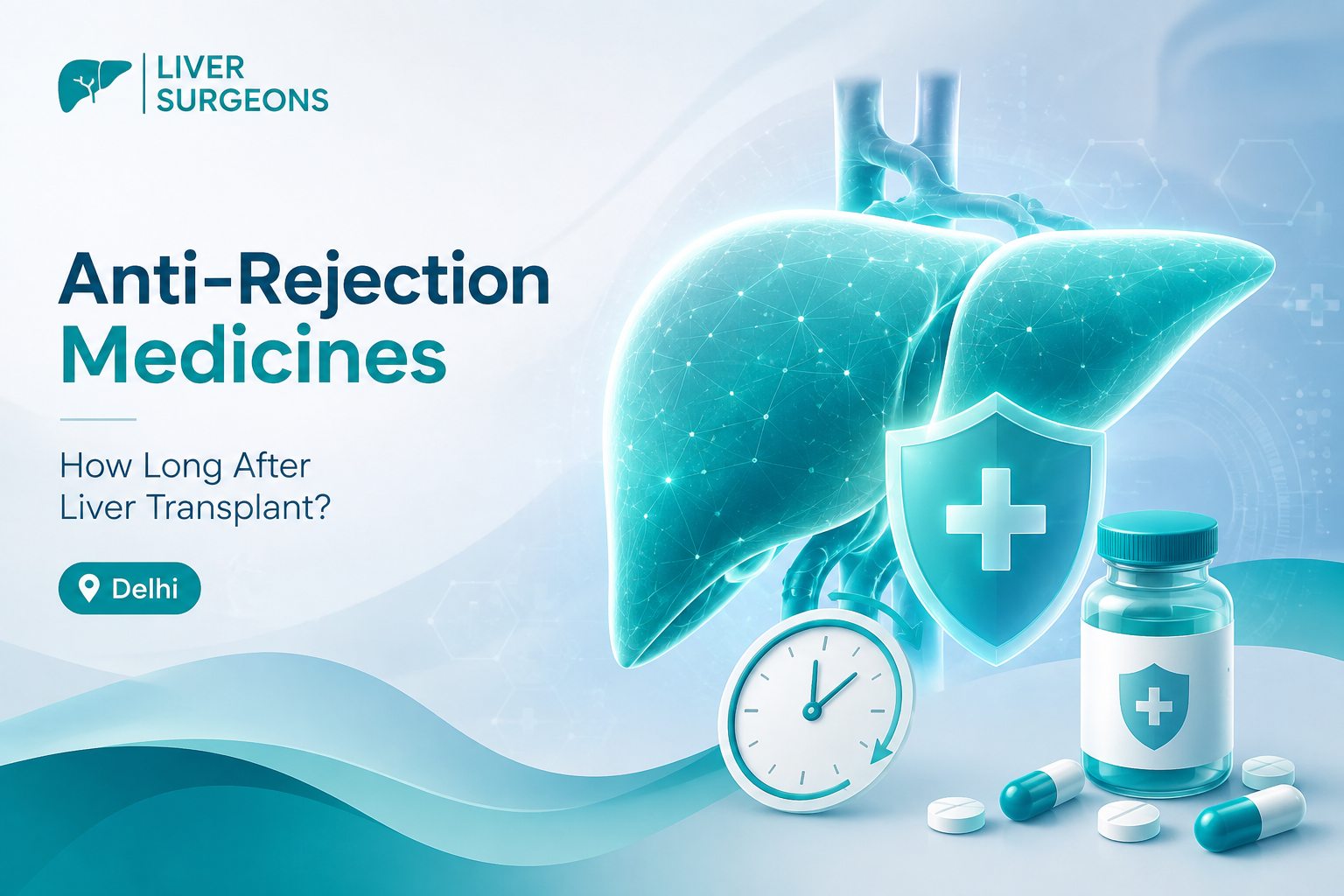
Understanding lifelong immunosuppression, tacrolimus, steroids, and medication management for transplant recipients.
Read More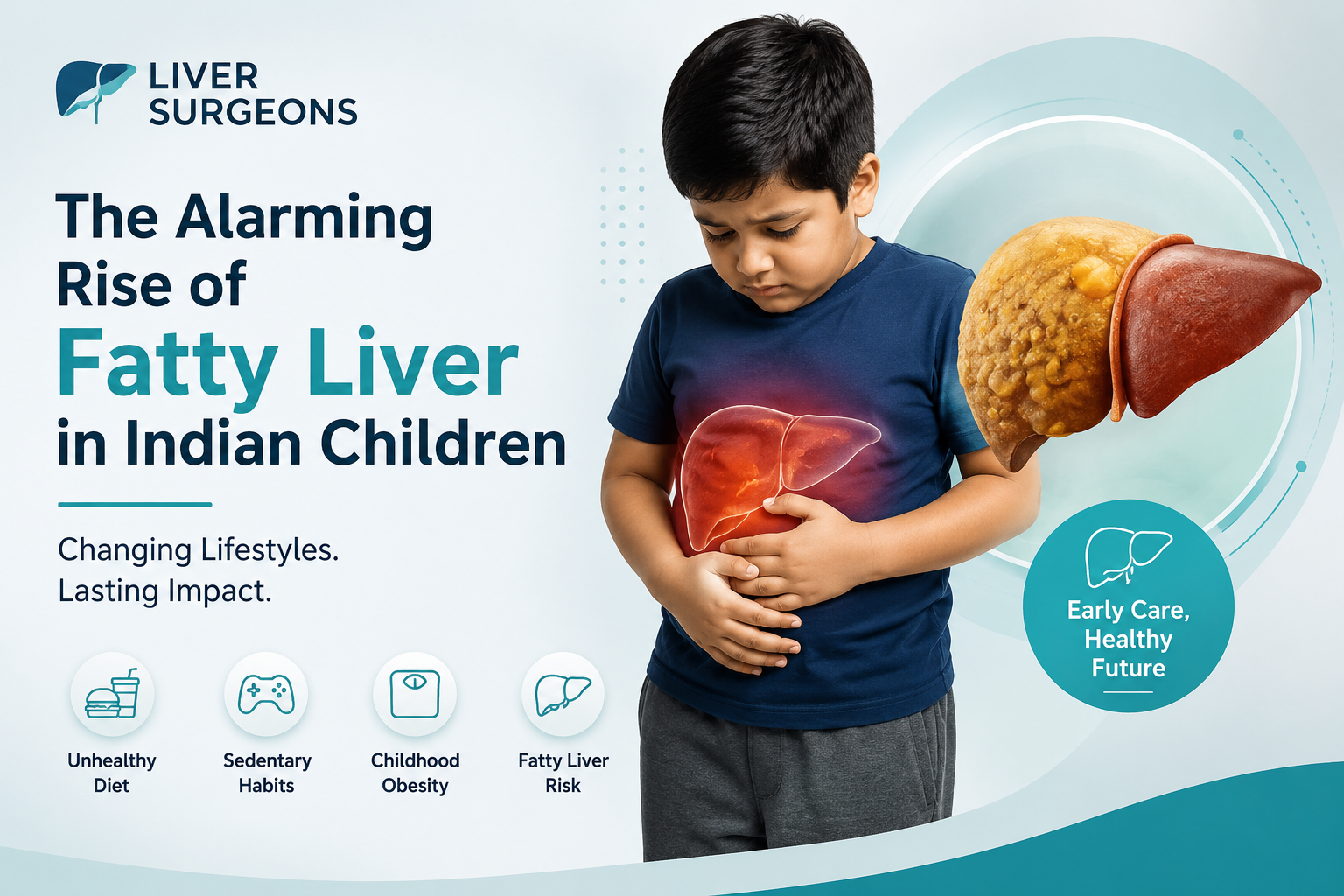
Learn about warning signs, causes, and prevention of fatty liver disease in children to avoid future complications.
Read More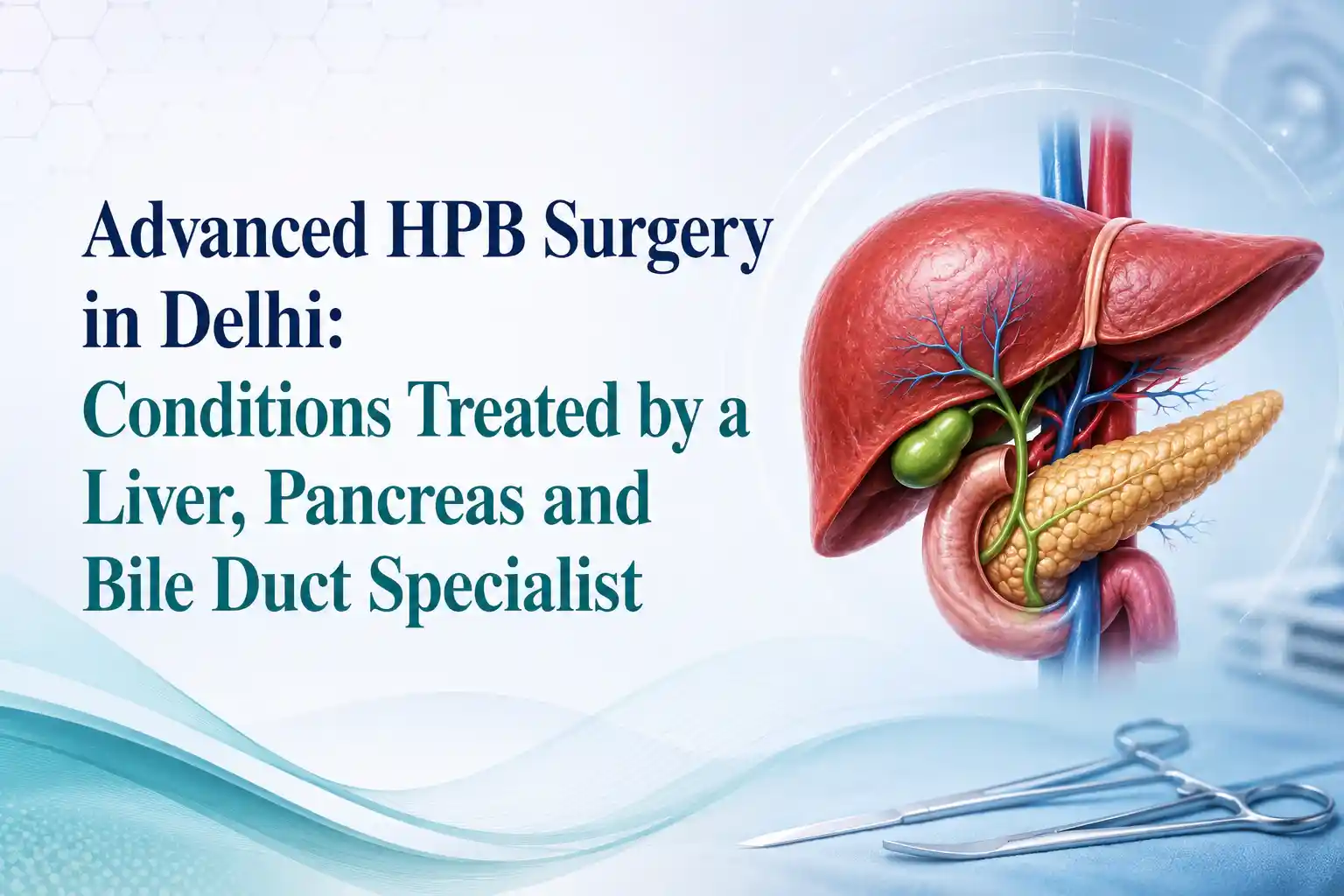
Essential guidance for parents navigating the pediatric liver transplant journey with confidence and hope.
Read More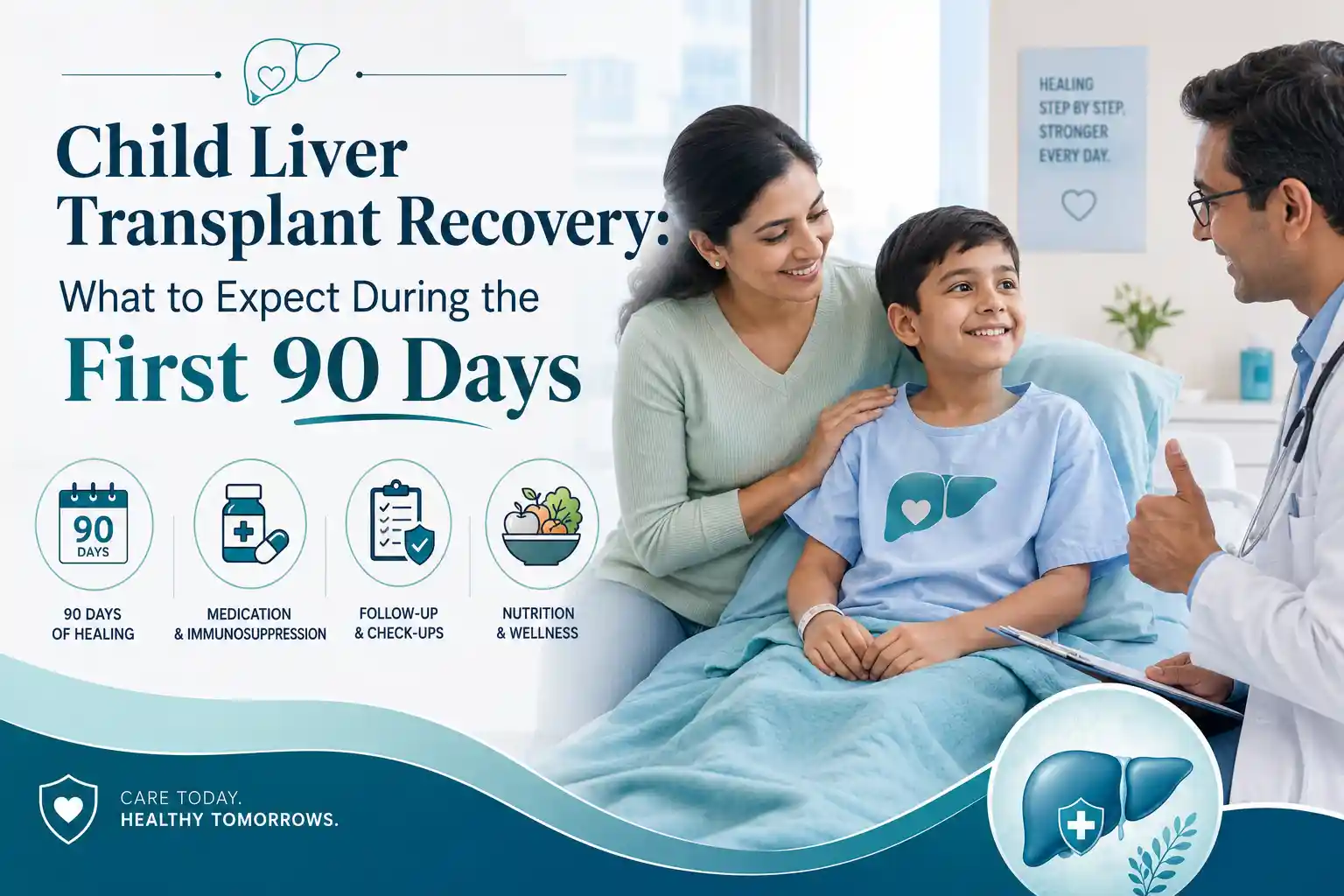
What to expect during the critical first 90 days of recovery, including hospital care, medicines, and follow-up.
Read More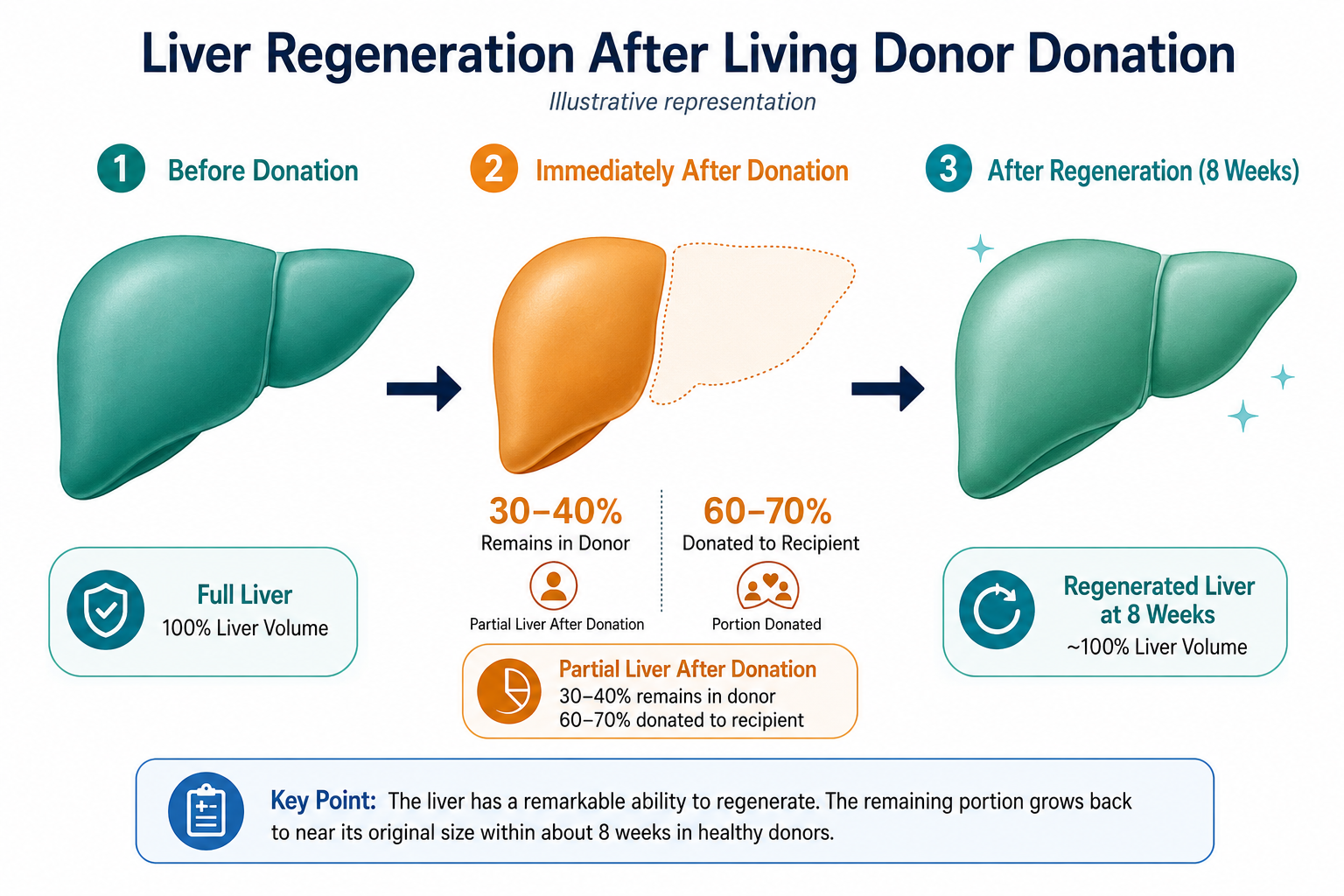
Complete guide to living donor liver transplant, including eligibility, evaluation, surgery, and donor recovery.
Read More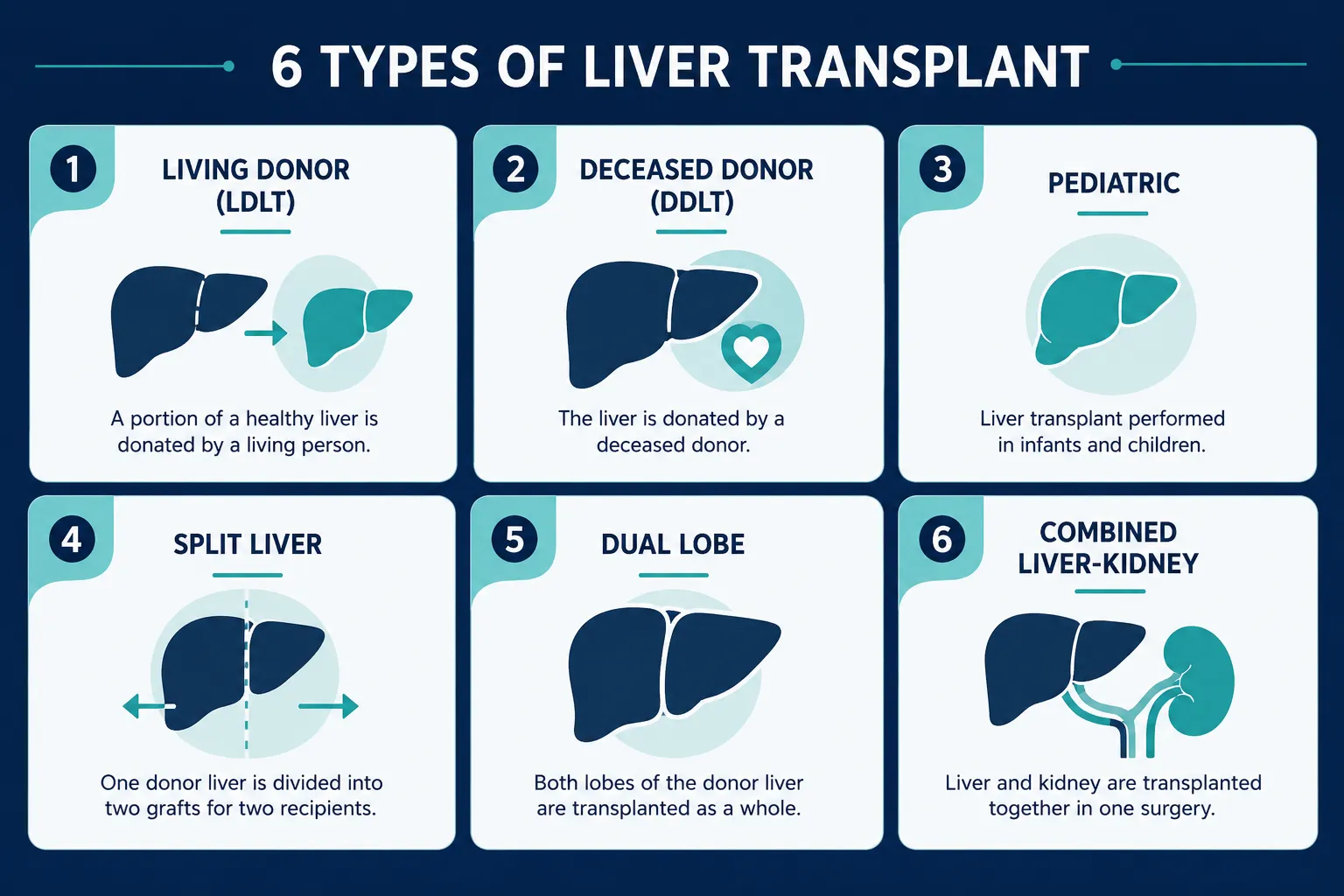
Comprehensive guide covering transplant types, hospital choice, cost, recovery timeline, and what to expect.
Read More