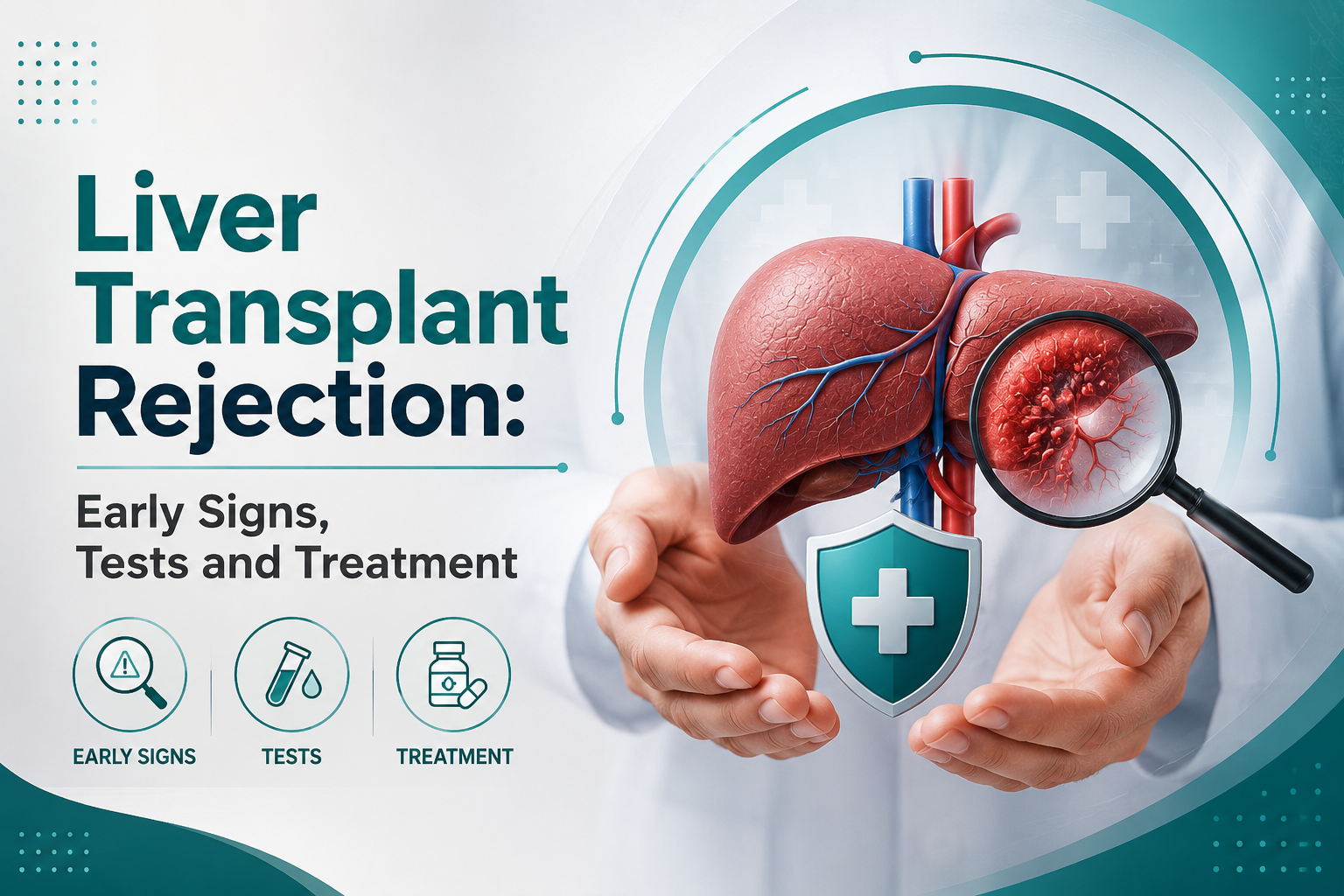
Liver Transplant Rejection: Early Signs, Tests and Treatment
.webp)
Principal Consultant & Unit Head, Liver Transplant & HPB Surgery, Fortis Hospital, Shalimar Bagh, Delhi
A liver transplant can provide a new chance at life for people with advanced liver disease, acute liver failure and certain liver cancers. However, successful transplant surgery is only one part of the journey. After transplantation, the recipient's immune system naturally recognises the donated liver as different from the body's own tissues.
This immune response can sometimes lead to liver transplant rejection. Rejection does not necessarily mean that the transplant has failed. When detected early, many episodes of rejection can be treated successfully. This is why regular blood tests, correct use of immunosuppressive medicines and continued follow up with the transplant team are essential after surgery.
Patients who have undergone a liver transplant in Delhi should understand the possible warning signs of rejection and know when medical assessment is necessary.
What Is Liver Transplant Rejection?
Liver transplant rejection occurs when the immune system recognises cells in the transplanted liver as foreign and begins attacking them.
The immune system normally protects the body against infections and other harmful substances. After transplantation, however, this same defence mechanism can react against the donated organ.
For this reason, liver transplant recipients are prescribed medicines that reduce the activity of the immune system. These medicines are called immunosuppressants or anti rejection medicines.
Importantly, experiencing an episode of rejection does not automatically mean that the new liver will stop functioning permanently. Rejection can often be controlled when it is recognised and treated promptly.
When Can Liver Transplant Rejection Occur?
Acute Rejection
Acute rejection usually develops during the earlier period following liver transplantation, although it can occur later as well. The immune system becomes activated against the transplanted liver and causes inflammation within the liver tissue.
Many cases are discovered during routine blood testing before the patient develops significant symptoms. Acute rejection is usually manageable when identified promptly.
Chronic Rejection
Chronic rejection is much less common. It develops gradually when immune mediated injury continues over a prolonged period and begins damaging the structure and function of the transplanted liver.
Chronic rejection can affect the bile ducts and other structures within the liver. Early recognition remains important because advanced chronic rejection can cause progressive loss of graft function. Patients therefore need lifelong monitoring even when they feel completely well.
What Are the Early Signs of Liver Transplant Rejection?
One of the most important things patients should understand is that liver transplant rejection may initially cause no obvious symptoms. Abnormal liver blood tests may be the first indication that something is wrong.
Jaundice
Yellowing of the skin or whites of the eyes may indicate that the transplanted liver is not processing bilirubin normally. Jaundice after transplantation should always be reported to the transplant team.
Fever
A temperature of 38°C or higher after liver transplantation requires medical attention. Fever can occur because of rejection, but infection is another important possibility because immunosuppressive medicines make transplant recipients more susceptible to infections.
Abdominal Pain or Tenderness
New pain, discomfort or tenderness in the upper abdomen may require assessment, particularly when accompanied by fever, jaundice or changes in blood tests.
Unusual Fatigue
Persistent tiredness or feeling generally unwell may sometimes accompany rejection. Fatigue alone does not confirm rejection, but unexplained changes in health should not be ignored after transplantation.
Nausea, Vomiting or Loss of Appetite
Some patients may experience gastrointestinal symptoms when liver function is affected. Persistent vomiting or inability to eat or drink normally should be discussed with the transplant team.
Dark Urine
Dark urine can occur when bilirubin levels rise and may accompany jaundice.
Changes in Stool Colour
Pale stools can sometimes occur when bile production or flow is disrupted.
Swelling
New swelling in the abdomen or legs may indicate changes in liver, kidney or circulatory function and needs medical assessment.
Because these symptoms can also occur with infections, bile duct problems, medication effects and other transplant complications, symptoms alone cannot confirm rejection.
Can Liver Rejection Happen Without Symptoms?
Yes. This is one of the main reasons why scheduled follow up appointments are so important. A patient may feel completely normal while liver enzymes are beginning to rise.
Routine blood tests allow the transplant team to recognise changes before serious symptoms develop. Patients should therefore continue their scheduled monitoring even when recovery appears to be progressing well.
Our post transplant instructions explain why regular liver tests, medicine monitoring and follow up appointments remain essential after discharge.
What Tests Are Used to Detect Liver Transplant Rejection?
Liver Function Tests
Blood tests are generally the first step. Doctors may monitor markers including:
- ●ALT
- ●AST
- ●Bilirubin
- ●Alkaline phosphatase
- ●GGT
- ●Albumin
- ●Clotting measurements where appropriate
Abnormal results indicate that the liver needs further evaluation, but blood tests alone cannot always establish the cause. Many different complications can cause abnormal liver tests after transplantation.
Immunosuppressant Drug Levels
Medicines such as tacrolimus require careful monitoring. Drug levels that are too low may increase the risk of rejection, while excessive exposure can increase the risk of side effects including kidney dysfunction, metabolic problems and infection.
The target drug concentration differs between patients and also changes according to the time since transplantation and the individual's clinical condition. Patients should never change their tacrolimus or other immunosuppressant dose without instructions from their transplant team.
For detailed information about anti rejection medicine management, read about immunosuppressive therapy after liver transplant in Delhi .
Ultrasound and Doppler Imaging
An ultrasound may be performed to evaluate the transplanted liver and its blood vessels. Doppler ultrasound helps doctors examine blood flow through important vessels supplying and draining the liver. This can help distinguish rejection from vascular or biliary complications.
CT Scan or MRI
Additional imaging may be recommended when doctors need more detailed information about the liver, blood vessels or bile ducts.
Liver Biopsy
A liver biopsy is an important test for confirming suspected rejection. During the procedure, a small sample of liver tissue is collected and examined under a microscope. The pathologist evaluates the tissue for characteristic changes caused by immune mediated injury.
A biopsy can help distinguish rejection from other problems that can produce similar abnormalities after transplantation. This distinction matters because treatment depends on the actual cause of liver dysfunction.
Why Doctors Do Not Diagnose Rejection From Symptoms Alone
Fever, jaundice and abnormal liver enzymes do not automatically mean rejection. Similar findings may occur with:
- ●Viral or bacterial infections
- ●Bile duct obstruction
- ●Bile leaks
- ●Blood vessel complications
- ●Medication related liver injury
- ●Recurrence of the original liver disease
- ●Other graft related complications
Doctors therefore evaluate the complete clinical picture before increasing immunosuppressive treatment. Increasing immune suppression when the real problem is an infection, for example, could potentially worsen that infection.
How Is Acute Liver Transplant Rejection Treated?
Treatment depends on the severity and type of rejection. The transplant team considers biopsy findings, liver function, current immunosuppressant levels and the patient's overall condition.
Adjustment of Immunosuppressive Medicines
In some situations, treatment may involve adjusting the patient's existing immunosuppressive medicines. Tacrolimus or another medicine may be modified according to blood levels and clinical response.
Corticosteroid Treatment
Clinically significant acute cellular rejection is commonly treated with corticosteroids. The exact medicine, dose and duration are determined by the transplant team according to the severity of rejection.
Treatment for More Difficult Rejection
When rejection does not respond adequately to initial treatment, additional or alternative immunosuppressive strategies may be considered. These decisions require specialist transplant management because stronger immune suppression also increases the risk of infection and other adverse effects.
How Is Chronic Liver Transplant Rejection Managed?
Chronic rejection requires specialist assessment. When identified early, changes in immunosuppressive therapy may help preserve liver function in selected patients.
Advanced chronic rejection can progressively damage the transplanted liver. In uncommon severe cases where graft function cannot be preserved, another transplant may eventually need to be considered.
Can Liver Transplant Rejection Be Prevented?
Not every episode can be prevented, even when a patient follows every instruction correctly. However, several measures can substantially reduce avoidable risks.
Take Immunosuppressive Medicines Exactly as Prescribed
Missing doses or stopping medicine can allow the immune system to become more active against the transplanted liver. Never reduce, increase or discontinue transplant medicines without medical advice.
Attend Every Follow Up Appointment
Routine blood tests can identify liver abnormalities before symptoms become apparent.
Complete Drug Level Monitoring
Tacrolimus and similar medicines need regular blood concentration monitoring so that treatment remains within an appropriate therapeutic range.
Tell Your Doctor About Every New Medicine
Prescription medicines, over the counter medicines, herbal preparations and supplements may interact with immunosuppressive therapy. Always discuss them with the transplant team before starting them.
Reduce Infection Risk
Immunosuppressive medicines reduce immune activity. Patients therefore need to follow infection prevention advice from their transplant programme and report significant symptoms promptly.
What Happens If You Miss an Immunosuppressant Dose?
Missing transplant medication should not be ignored. However, patients should also not automatically take an extra dose unless their transplant team has instructed them to do so.
The correct action depends on which medicine was missed, when the dose was due and when the next dose is scheduled. Contact your transplant team or follow the specific missed dose instructions you were given after discharge.
Medication adherence is one of the most important parts of long term graft protection. You can review the post transplant instructions for additional guidance on medicines, monitoring and recovery.
When Should You Contact Your Liver Transplant Team?
Seek advice from your transplant team if you develop symptoms such as:
- ●Fever of 38°C or above
- ●New jaundice
- ●Abdominal pain
- ●Persistent vomiting or diarrhoea
- ●Unexplained severe fatigue
- ●Shortness of breath
- ●Reduced urine output
- ●New swelling
- ●Difficulty taking your medicines
- ●Any major unexplained change in your health
Do not wait for multiple symptoms to appear before seeking advice.
Does an Episode of Rejection Mean the Liver Transplant Has Failed?
Usually, no. The word rejection can understandably cause considerable anxiety for patients and families. However, rejection is a recognised complication of transplantation, and many acute episodes respond successfully to treatment.
The key factors are early detection, accurate diagnosis and appropriate adjustment of treatment. This is why close medical surveillance remains important after a liver transplant in Delhi .
The Importance of Long Term Post Transplant Monitoring
Liver transplantation creates a lifelong relationship between the recipient and the transplant team. Monitoring usually includes:
- ●Liver function tests
- ●Kidney function tests
- ●Immunosuppressant drug levels
- ●Blood pressure monitoring
- ●Blood glucose and metabolic assessment
- ●Infection surveillance
- ●Medication review
- ●Imaging when clinically required
The frequency of these tests generally decreases as recovery becomes more stable, but long term follow up remains necessary.
Liver Transplant Rejection Care in Delhi
Suspected rejection requires evaluation by a team experienced in liver transplantation. The objective is not simply to increase immunosuppressive medicines. Doctors first need to determine whether the problem is rejection, infection, a bile duct complication, vascular dysfunction or another cause.
At Liver Surgeons, patients undergoing transplantation and long term transplant follow up receive care under a specialist team led by Dr Ashish George , Principal Consultant and Unit Head in Liver Transplant and HPB Surgery at Fortis Hospital, Shalimar Bagh, Delhi.
Patients requiring ongoing anti rejection medication management can also learn more about immunosuppressive therapy after liver transplant in Delhi .
Frequently Asked Questions
What are the first signs of liver transplant rejection?
Rejection may not cause noticeable symptoms initially. Changes in liver function blood tests can be the first sign. Some patients may develop fever, jaundice, abdominal discomfort, fatigue, nausea or other symptoms.
When is liver transplant rejection most likely to occur?
The risk is greatest during the earlier months following transplantation, particularly during the first six months, although rejection can occur later as well.
Can a liver transplant be rejected after several years?
Yes. Late rejection can occur, which is why transplant recipients require continued follow up and should not stop immunosuppressive medication without specialist advice.
Does high ALT after liver transplant mean rejection?
Not necessarily. Raised liver enzymes can result from rejection, infection, bile duct problems, vascular complications, medicines or recurrent liver disease. Further investigation is needed to determine the cause.
How do doctors confirm liver transplant rejection?
Doctors usually begin with blood tests and may perform imaging. When rejection is suspected, a liver biopsy is commonly required to establish the diagnosis and assess its severity.
Is liver transplant rejection treatable?
Many acute rejection episodes can be treated successfully, particularly when detected early. Treatment may include adjustment of immunosuppressive therapy and corticosteroids depending on the type and severity of rejection.
Can rejection occur even if I take all my medicines?
Yes. Rejection can occur despite correct medication use, although taking immunosuppressants exactly as prescribed is essential for reducing the risk.
Should I stop tacrolimus if I develop side effects?
No. Do not stop or change tacrolimus without speaking to your transplant team. Abrupt interruption of immunosuppression can increase the risk of rejection.
Conclusion
Liver transplant rejection is a serious but often manageable complication of transplantation. The most important point for patients is that rejection does not always produce obvious symptoms. Regular blood tests, drug level monitoring and scheduled follow up can detect problems before significant liver damage occurs.
Take every immunosuppressive medicine exactly as prescribed and never adjust treatment without guidance from your transplant team.
If you notice fever, jaundice, abdominal discomfort or another significant change in your health after transplantation, contact your transplant team promptly.
For specialist assessment, post transplant monitoring or concerns about anti rejection medicines, consult the Liver Surgeons team in Delhi for an individual clinical evaluation.