Why Delhi is the Emerging Global Hub for Liver Transplants
.webp)
Principal Consultant & Unit Head, Liver Transplant & HPB Surgery, Fortis Hospital, Shalimar Bagh, Delhi
I still remember a morning three years ago at the International Indira Gandhi Airport. I met a family from Kenya. They looked tired and lost. Their father was very sick. He had end-stage liver disease. Back home, doctors told them they had no more options. They came to Delhi with just one thing: hope.
Today, that father is back in his village. He is playing with his grandchildren. This is why I do what I do. This is not just a medical story. It is a story of how a city became a lighthouse for the world.
Delhi is a premier destination for liver transplantation, combining world-class surgical expertise, advanced robotic technology, and significantly lower costs than Western nations to provide life-saving care for patients with end-stage liver disease.
The Dramatic Rise of Delhi-NCR in Global Medicine
What most people do not realize is that Delhi is not just a regional center. It is now a global power. In 2024, the Delhi-NCR region completed 4,357 living donor organ transplants. This is a number that no other city in the world can match. About 39.5% of all liver transplants in India happen right here in this city.
Why are people flying across oceans to see a liver transplant surgeon in delhi? It is because we have mastered the "Cost-Quality Paradox." In the US, a transplant can cost $300,000. In Delhi, you get the same world-class care for about $25,000 to $40,000. But here is the secret: the low price does not mean low quality. Our success rates are now 90% to 95%. This matches or beats the best hospitals in London or New York.
The Invisible Pillars of Success: What Most Websites Forget
When you search for the best liver transplant surgeon in Delhi, you usually see pictures of doctors. But a transplant is never a solo performance. There are three "hidden" factors that make Delhi safer than other places.
1. The Liver Anesthesiologist: Your Guardian Angel
Most people think only about the surgeon. But the liver transplant doctor who keeps you alive during the surgery is the anesthesiologist. During a transplant, there is a time called the "anhepatic phase." This is when your old liver is out and the new one is not in yet. For those minutes, you have no liver function. A specialized liver anesthesiologist manages your brain, heart, and kidneys during this critical gap. Without this specific expertise, the surgery cannot succeed.
2. Hybrid Operation Theaters
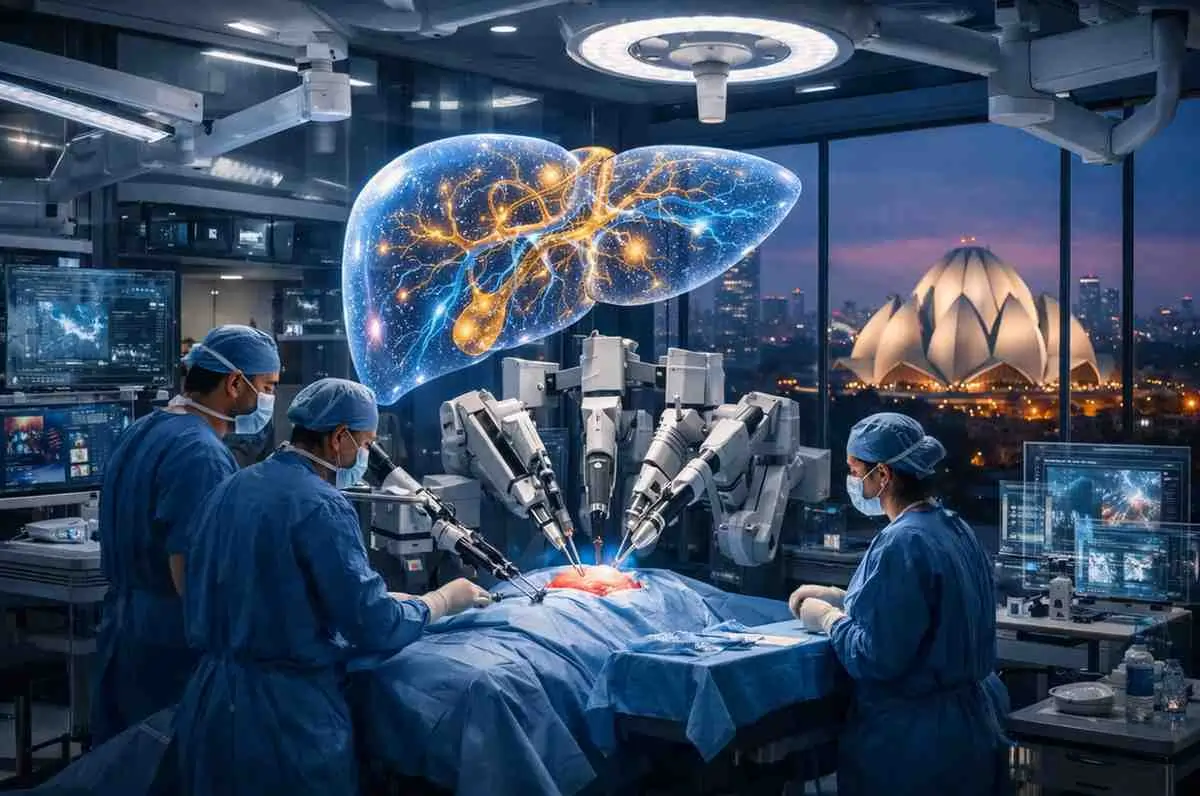
Here is the surprising truth: the best surgeries happen when we can see inside the body in real-time. Delhi’s top hospitals use Hybrid OTs. These rooms combine a surgical suite with advanced CT and MRI imaging. If I am performing Living Donor Liver Transplants in Delhi and I see a tiny blood vessel issue, I do not have to wait. I can fix it instantly using real-time scans while the patient is still on the table.
3. Dedicated Liver ICUs
Recovery from a liver surgery is different from heart or lung surgery. Liver patients have unique needs for blood clotting and metabolic balance. In Delhi, we have "Isolated Ultra-Clean Ventilated Liver ICUs." The nurses here only look after liver patients. They know the tiny signs of graft rejection before any machine can catch them.
Pushing the Technical Boundaries
As Liver surgeons, we often see cases that others call "unresectable" or "impossible." Delhi has become a hub because we take on these challenges using advanced methods.
3D Mapping: The Software That Saves Your Donor
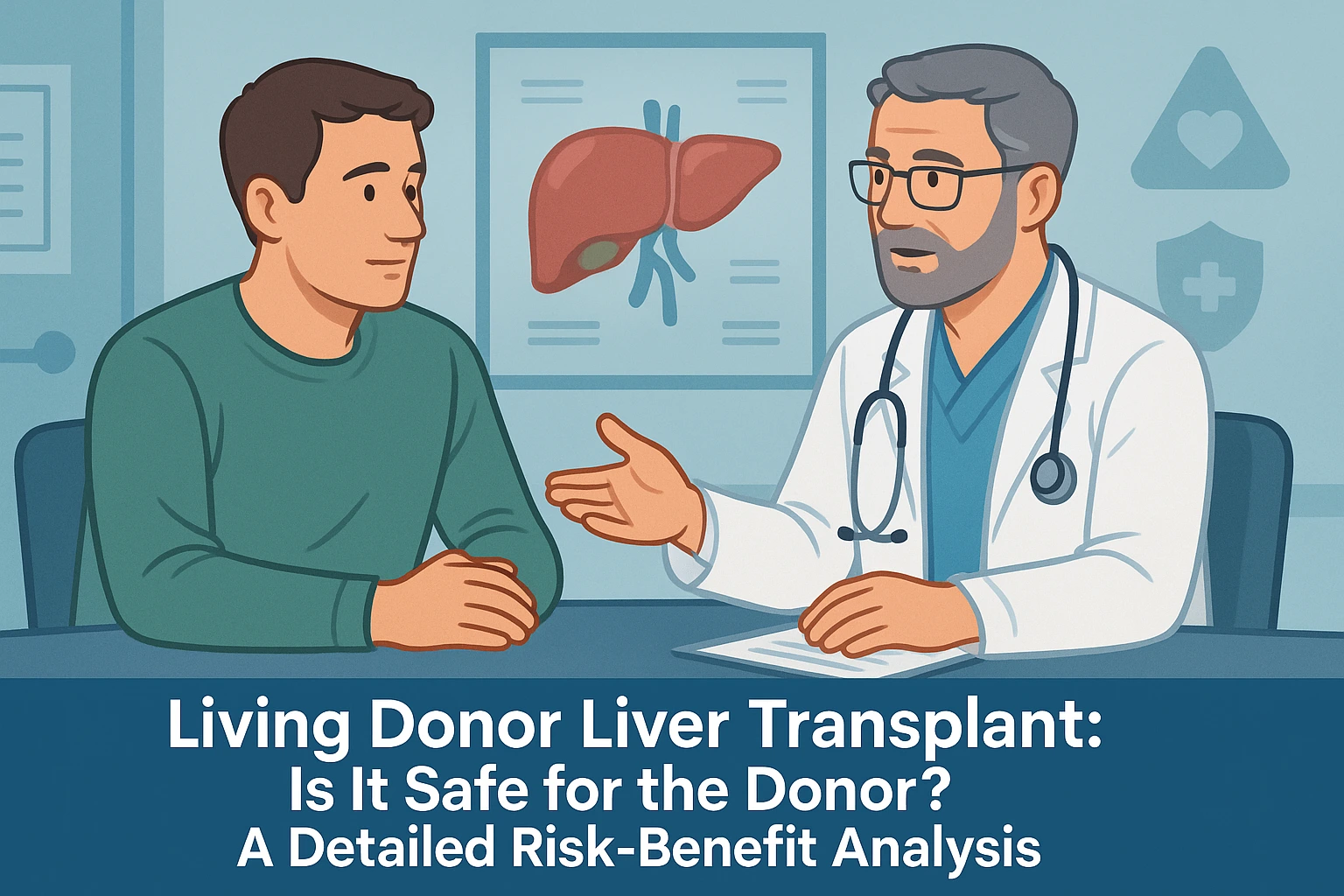
What most websites do not tell you is how we protect the donor. We use 3D Volumetry software to map the donor's liver. This allows us to calculate the Future Liver Remnant (FLR) precisely. If the software shows that the donor will be left with even 1% less liver than they need to be safe, we do not proceed. This "Donor-First" model is why the donor safety rate in India is nearly 100%.
Complex Transplant Varieties in Delhi
We do not just do standard transplants. Our city specializes in:
- Pediatric Liver Transplants in Delhi: Treating babies as small as 10kg with metabolic diseases.
- Dual Lobe Liver Transplants in Delhi: Using two small liver portions from two different donors when one donor is not enough.
- Split Liver Transplants in Delhi: Taking one deceased donor liver and splitting it to save two people.
- Combined liver Kidney Transplants in Delhi: For patients whose both organs have failed.
- Deceased Donor Liver Transplants in Delhi: Our system for using organs from brain-dead donors is maturing rapidly.
Benchmarking the "Big Four" Competitors in Delhi
If you are looking for a liver doctor delhi, you will likely see these names. Each has a different strength.
| Hospital | Key Strength | Specialty Focus |
|---|---|---|
| Fortis (Shalimar Bagh) | Technocrat Precision | Led by Dr. Ashish George with a focus on ex-situ resections. |
| Max (Saket) | Robotic Precision | Pioneers in using robotic systems for donor safety. |
| BLK-Max (Delhi) | International Care | Modular OTs and specialized packages for foreign patients. |
The "Roadmap to Recovery" and Post-Transplant Monitoring
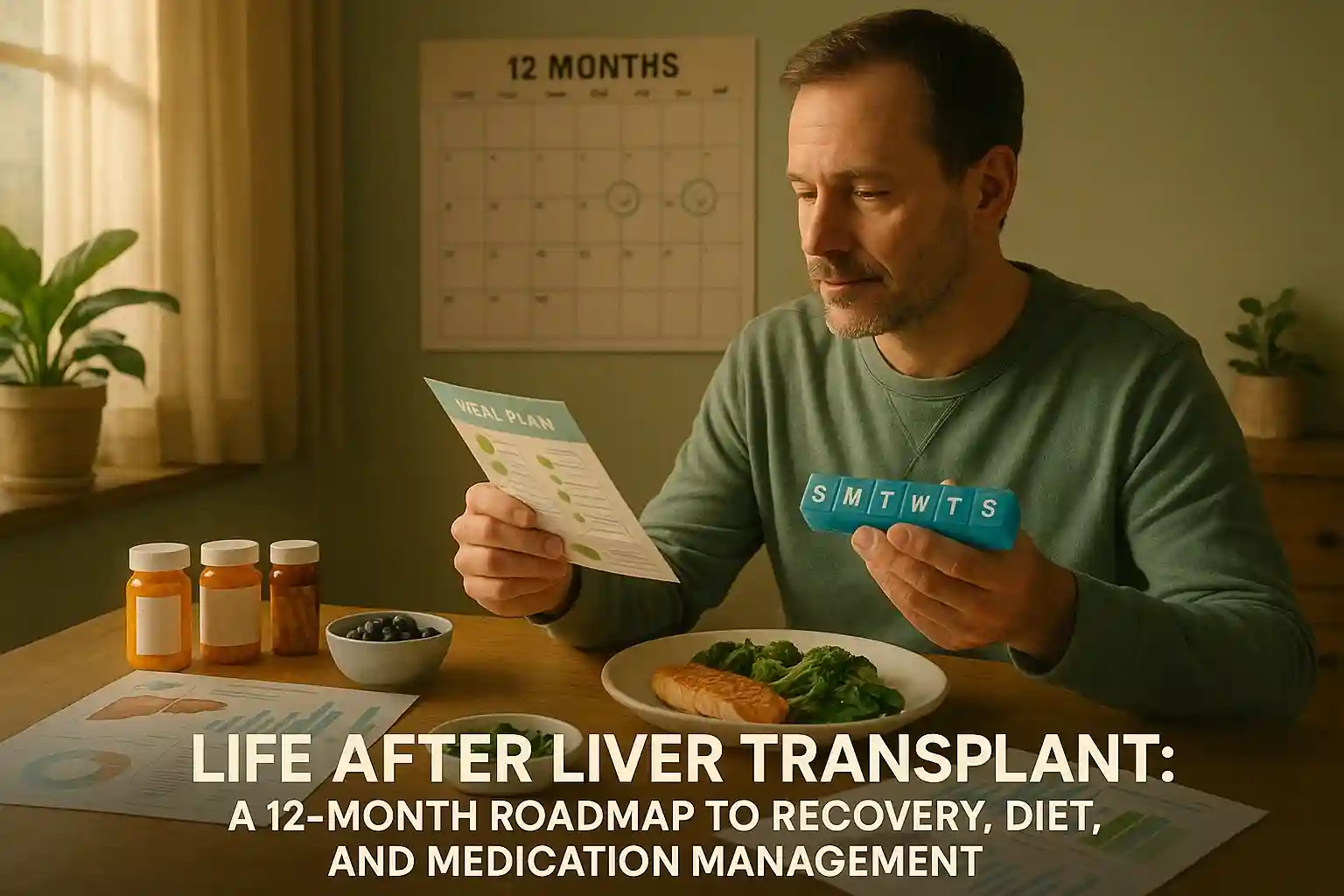
A transplant is not just a surgery. It is a one-year journey. When you work with a liver transplant surgeon, the surgery is just the first step.
The Post Transplant Monitoring in Delhi involves a very strict 12-month roadmap.
- Months 1 to 3: Focus on managing "rejection." We use immunosuppressants to teach your body to accept the new liver.
- Months 4 to 6: We gradually lower the medicine doses and focus on nutrition and muscle strength.
- Months 7 to 12: Most patients return to work or school. We monitor for long-term health using FibroScan and 3D imaging.
Why Your Doctor’s Perspective Matters
I, Dr. Ashish George, believe that the most important part of my job is not the scalpel. It is the communication. Major surgery is a financial and emotional crisis for a family. In my unit at Fortis Shalimar Bagh, we emphasize "Financial Transparency." We discuss every possible cost upfront. We do not want families to have surprises while they are trying to heal. Whether it is a routine case or a complex Combined liver Kidney Transplants in Delhi, the "hand-holding" approach is what defines a true global hub.
Safety and Ethics: The NOTTO Framework
Is it legal? Is it safe? These are the questions I hear most from my international patients.
India has a very strict legal system called NOTTO. Every transplant goes through an Authorization Committee. This ensures that every donor is a true relative or a legal "swap" partner. This transparency is the reason why global bodies now call Delhi's model the "Gold Standard" for transplant ethics.
Robotic Surgery: The New Frontier
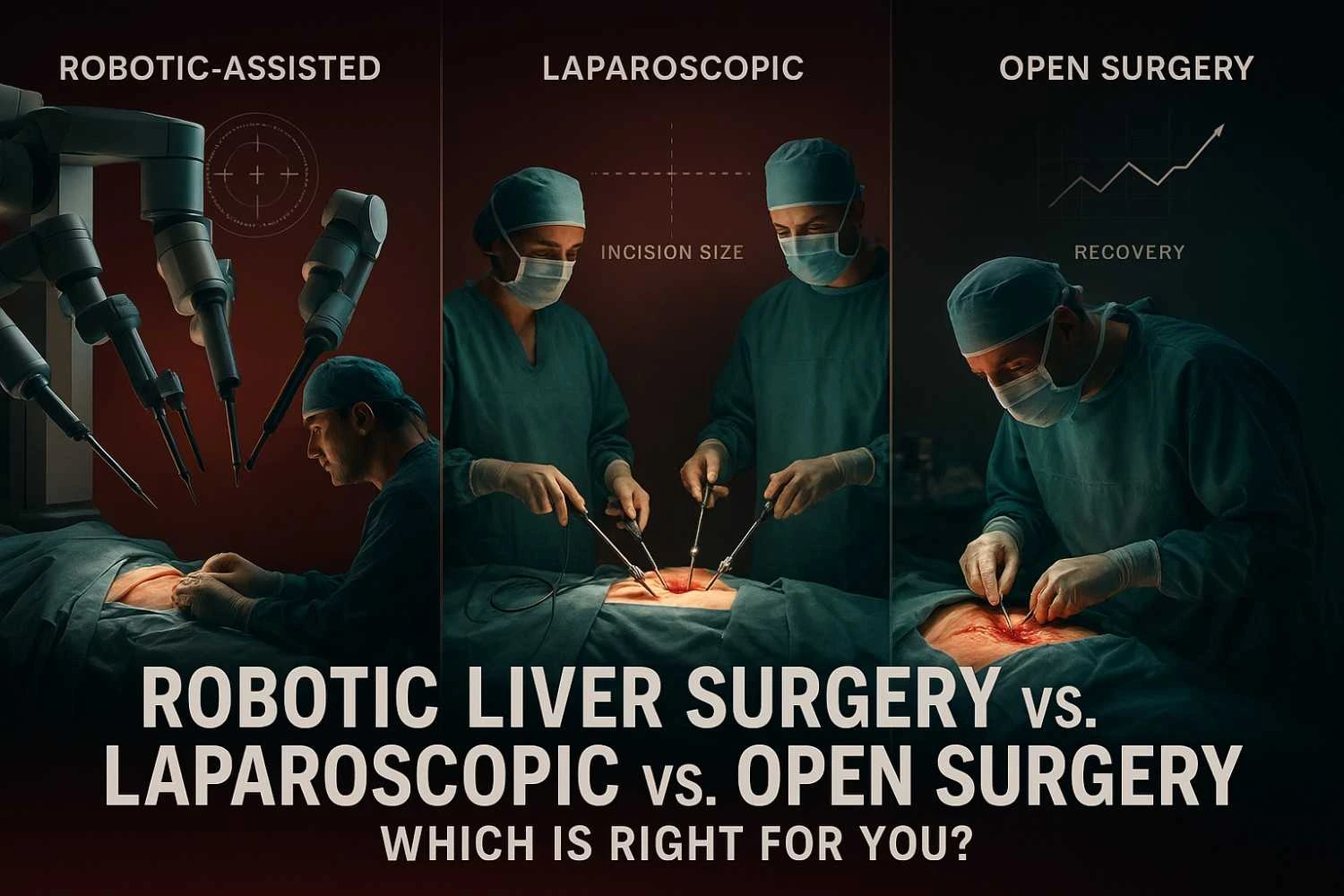
The use of advanced robotic systems has changed everything. We can now perform a "Robotic Donor Hepatectomy." This means the person donating the liver gets only tiny keyhole incisions. They have less pain, lose almost no blood, and can go home in just a few days. For a liver transplant surgeon, these robots act as an extension of our hands. They remove any tiny tremors and allow for perfect suturing.
Conclusion: A City of Second Chances
Delhi has grown into a global hub because it combines the heart of a caregiver with the mind of a technocrat. We have the volume. We have the technology. Most importantly, we have specialized teams who make success possible. This includes everyone from the anesthesiologist to the ICU nurse.
If you are struggling with a liver diagnosis, remember that you are not alone. Our city has built a system designed to give you your life back.
Summary of Key Takeaways:
- Delhi-NCR performs nearly 40% of India's transplants with a 95% success rate.
- Cost is 70% to 80% lower than in the US or UK without losing quality.
- Specialized tech like 3D Mapping and Robotic systems ensures donor safety.
- The "Invisible Team" consisting of anesthesia and the Liver ICU is the secret to success.
- Strict ethical oversight via NOTTO protects all patients.
Are you ready to take the next step toward your recovery and explore the options available in the world's leading transplant hub?