Fatty Liver Diet: Foods to Eat and Foods to Avoid
.webp)
Principal Consultant & Unit Head, Liver Transplant & HPB Surgery, Fortis Hospital, Shalimar Bagh, Delhi
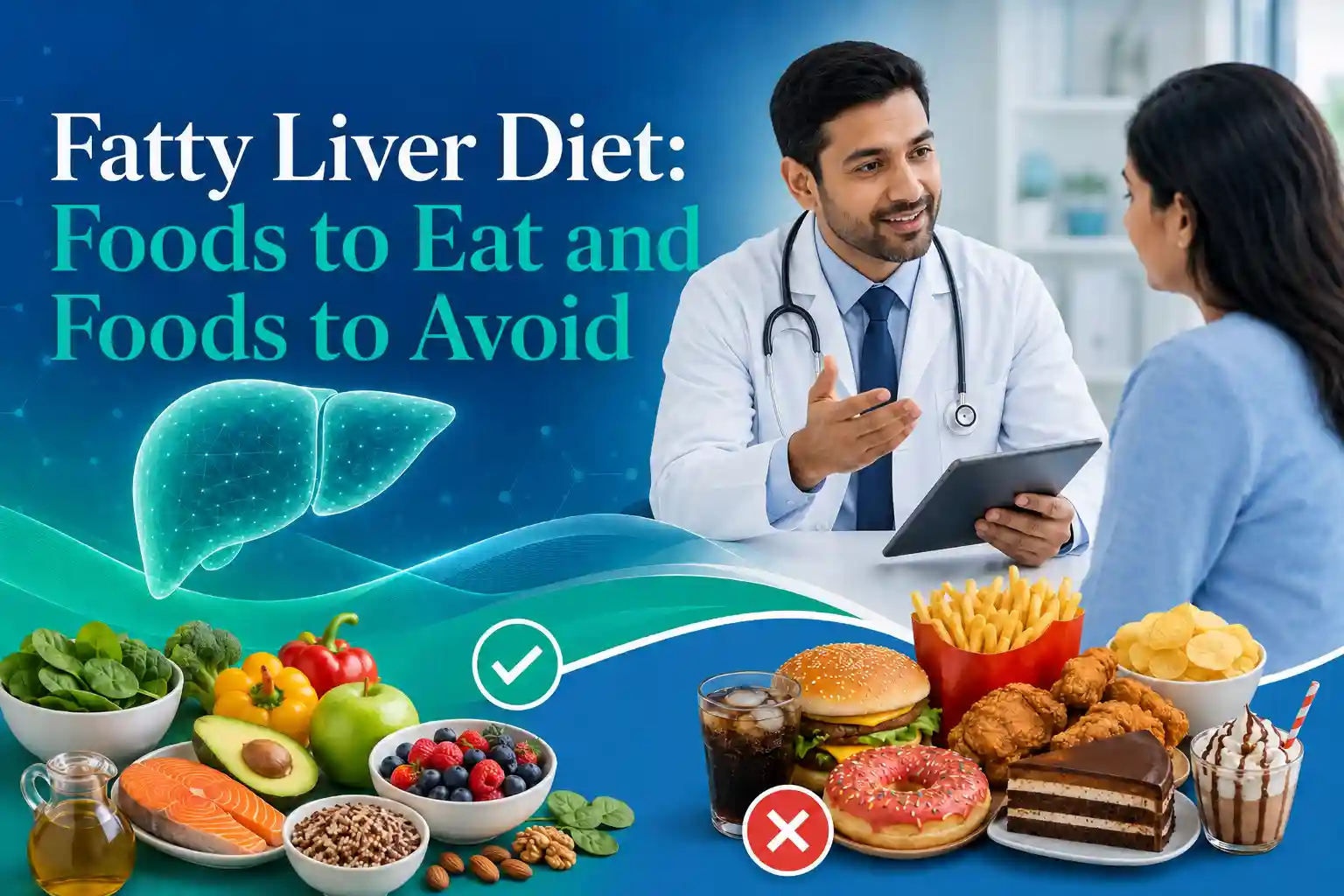
A well-planned fatty liver diet can help reduce excess liver fat, support weight management and improve conditions commonly associated with fatty liver, such as high blood sugar, high cholesterol and insulin resistance.
Fatty liver disease is now medically referred to as metabolic dysfunction-associated steatotic liver disease, or MASLD. It was previously known as non-alcoholic fatty liver disease or NAFLD. Diet is an important part of treatment, but it should be combined with physical activity, control of diabetes and cholesterol, and medical monitoring when necessary.
The goal is not to follow an extreme detox or survive on boiled food. A sustainable diet for fatty liver should contain vegetables, whole grains, pulses, lean protein and appropriate portions of healthy fats while limiting added sugar, refined carbohydrates, fried food and alcohol.
How Does a Fatty Liver Diet Help?
Fatty liver develops when excess fat accumulates inside liver cells. It is commonly associated with excess abdominal weight, type 2 diabetes, insulin resistance, high triglycerides and limited physical activity.
Dietary changes can help by:
- Reducing excess calorie intake
- Supporting gradual weight loss when needed
- Preventing frequent blood sugar spikes
- Improving insulin sensitivity
- Reducing saturated and trans-fat consumption
- Supporting healthier cholesterol and triglyceride levels
- Making long-term weight control more practical
For people who are overweight or obese, gradual weight loss may reduce liver fat, inflammation and fibrosis. AASLD guidance indicates that a weight reduction of approximately 5% to 10% can produce meaningful improvements, although the appropriate target should be personalised.
People who are not overweight can also develop fatty liver. They should not follow an aggressive weight-loss programme without medical or dietary guidance.
Best Foods to Eat in a Fatty Liver Diet
There is no single food that removes fat from the liver. The best food for fatty liver is part of a balanced eating pattern that can be maintained consistently.
1. Vegetables
Vegetables provide fibre, vitamins, minerals and plant compounds without adding large amounts of calories.
Suitable options include:
- Spinach, methi and bathua
- Lauki, tori and tinda
- Bhindi and beans
- Cabbage, cauliflower and broccoli
- Carrots and beetroot
- Capsicum, tomatoes and cucumber
- Karela and pumpkin
Try to include vegetables in both lunch and dinner. Use steaming, grilling, roasting or light sautéing instead of deep-frying.
2. Whole Grains and High-Fibre Carbohydrates
Carbohydrates do not need to be completely removed from a fatty liver diet plan. The type and quantity are more important.
Better options include:
- Whole-wheat roti
- Jowar, bajra or ragi roti
- Oats
- Daliya
- Barley
- Brown or hand-pounded rice
- Quinoa
- Unsweetened millet dishes
NIDDK advises choosing more low-glycaemic foods, including vegetables, most fruits and whole grains, instead of frequently eating high-glycaemic foods such as white bread and white rice.
White rice does not necessarily need to be banned. A smaller portion eaten with dal, vegetables, salad and protein is better than a large bowl eaten with little else.
3. Pulses, Beans and Other Plant Proteins
Pulses provide protein and fibre and can help make meals more satisfying.
Foods good for fatty liver include:
- Moong dal
- Masoor dal
- Arhar dal
- Chana dal
- Rajma
- Kala chana
- Chickpeas
- Lobia
- Soybeans
- Tofu
- Unsweetened sprouts
Patients who experience bloating can begin with smaller portions of well-cooked moong or masoor dal and gradually increase the quantity.
4. Lean Animal Protein
People who eat non-vegetarian food can choose:
- Grilled or lightly cooked fish
- Skinless chicken
- Eggs
- Lean, unprocessed meat in limited quantities
Avoid turning a healthy protein into an unhealthy meal by deep-frying it or preparing it with excessive butter, cream or oil.
Current European guidance for MASLD recommends reducing red and processed meat while emphasising a Mediterranean-style dietary pattern based on vegetables, whole grains, legumes, unsaturated fats and minimally processed food.
5. Whole Fruits
Whole fruits can generally be included because they provide fibre and nutrients. Suitable choices include:
- Apple
- Guava
- Orange
- Papaya
- Pear
- Berries
- Pomegranate
- Kiwi
- Small portions of banana or mango
Eat the whole fruit rather than drinking its juice. Fruit juice delivers sugar quickly and usually contains much less fibre than the original fruit.
Packaged juice, sweetened juice and large glasses of freshly extracted juice should not be treated as unlimited healthy drinks. NIDDK specifically recommends avoiding drinks containing large amounts of simple sugars and fructose, including sweetened beverages and juices.
6. Nuts, Seeds and Healthy Fats
The body needs some dietary fat. The aim is to replace saturated and trans fats with appropriate portions of unsaturated fats.
Options include:
- Almonds
- Walnuts
- Flaxseeds
- Chia seeds
- Pumpkin seeds
- Sunflower seeds
- Groundnuts
- Mustard, groundnut or other plant oils used sparingly
Nuts and seeds are nutritious but calorie-dense. A small portion is sufficient.
7. Low-Fat Dairy
Depending on individual tolerance, a diet for reducing a fatty liver may include:
- Toned milk
- Plain curd
- Unsweetened buttermilk
- Paneer prepared from lower-fat milk
Flavoured yoghurt, sweetened lassi, milkshakes and desserts can contain substantial amounts of added sugar.
Foods to Avoid With Fatty Liver
The following foods do not need to be viewed as poison, but frequent or excessive consumption can make calorie control, blood sugar management and liver-fat reduction more difficult.
Sugary Drinks and Added Sugar
Limit or avoid:
- Soft drinks
- Energy drinks
- Sweetened tea and coffee
- Packaged fruit juice
- Sweetened lassi
- Milkshakes
- Sugarcane juice
- Syrups and flavoured beverages
Also reduce mithai, cakes, pastries, chocolate, ice cream and sweet biscuits.
Honey, jaggery and brown sugar are still forms of added sugar. Replacing white sugar with jaggery does not make an excessively sweet diet suitable for fatty liver.
Refined Flour and Refined Carbohydrates
Fatty liver foods to avoid or reduce include:
- Maida-based bread
- Bhatura
- Naan made with refined flour
- Pizza bases
- Bakery products
- Instant noodles
- Sugary breakfast cereals
- Large portions of white rice
- Biscuits and rusks
These foods are often easy to overeat and may provide limited fibre.
Deep-Fried and Ultra-Processed Food
Reduce:
- Samosa and kachori
- Pakora
- Poori
- French fries
- Chips and namkeen
- Burgers
- Fried chicken
- Frozen snacks
- Instant packaged meals
MASLD guidance supports reducing ultra-processed foods, added sugars, refined carbohydrates and saturated fats.
Saturated and Trans Fats
Limit:
- Vanaspati and dalda
- Excess ghee or butter
- Cream
- Full-fat cheese
- Fatty cuts of meat
- Processed meat
- Commercial baked goods
- Repeatedly heated frying oil
A completely fat-free diet is unnecessary. The better approach is to control quantity and replace saturated or trans fats with unsaturated fats.
Alcohol
Alcohol can add further stress to an already fatty or inflamed liver. NIDDK recommends minimising alcohol in people with MASLD because it may cause additional liver damage. People with fibrosis, MASH, cirrhosis or alcohol-associated fatty liver may be advised to avoid it completely.
Ask your liver specialist for advice based on your diagnosis rather than assuming that occasional drinking is safe.
Sample Indian Diet Chart for Fatty Liver
This is a general one-day diet chart for fatty liver. Portion sizes should be adjusted according to age, weight, activity level, diabetes, kidney health and the stage of liver disease.
| Time | Vegetarian option | Non-vegetarian option |
|---|---|---|
| Early morning | Water; no compulsory detox drink | Water; no compulsory detox drink |
| Breakfast | Vegetable oats, daliya, two moong chillas or vegetable poha | Vegetable omelette with whole-grain toast |
| Mid-morning | One whole fruit | One whole fruit |
| Lunch | Two small rotis, dal, cooked vegetables, salad and plain curd | Two small rotis, vegetables, salad and grilled fish or chicken |
| Evening | Roasted chana, a small portion of nuts or unsweetened buttermilk | Boiled egg or roasted chana |
| Dinner | Vegetable soup with tofu, dal or one to two small rotis | Grilled fish or chicken with vegetables and one small roti |
| If hungry later | Plain low-fat milk, if suitable | Plain low-fat milk, if suitable |
Avoid adding sweet drinks, fried snacks or desserts to an otherwise healthy meal.
An Easy Plate Method for Fatty Liver
A practical way to plan lunch and dinner is:
- Half the plate: Non-starchy vegetables and salad
- One-quarter: Dal, beans, tofu, eggs, fish or lean chicken
- One-quarter: Roti, millet, brown rice or another whole grain
- Small side: Plain curd, when suitable
The total amount still matters. Even nutritious foods can interfere with weight loss when portions are consistently excessive.
Common Fatty Liver Diet Mistakes
Depending on detox drinks
Lemon water, turmeric water, amla juice or green tea cannot independently remove fat from the liver. The liver naturally processes waste, and there is no need for a commercial liver-cleanse programme. Some herbal remedies and supplements may even cause liver injury.
Avoiding all carbohydrates
Removing rice and roti while continuing to eat fried food, excess cheese or large portions will not necessarily improve fatty liver. Focus on carbohydrate quality, quantity and the overall meal.
Drinking fruit instead of eating it
Juicing removes much of the fibre and makes it easy to consume several fruits at once. Choose one whole fruit instead.
Following a crash diet
Rapid or extreme diets are difficult to maintain and may cause nutritional deficiencies or muscle loss. Weight reduction should be gradual and supervised when the patient has diabetes, advanced fibrosis, cirrhosis or another medical condition.
Taking supplements without medical advice
Do not begin herbal powders, high-dose vitamins, protein supplements or “fatty liver medicines” solely on the basis of online claims. Some supplements can interact with medicines or damage the liver.
How to Reduce Fatty Liver Beyond Diet
A fatty liver treatment diet works best as part of a wider plan.
Patients may also need to:
- Exercise regularly according to their fitness and medical condition
- Reduce excess body weight gradually
- Control diabetes and insulin resistance
- Manage cholesterol and triglycerides
- Review medicines with their doctor
- Stop smoking
- Limit or avoid alcohol
- Sleep adequately
- Attend follow-up blood tests and imaging
Diet and physical activity remain central to MASLD treatment. However, patients with fibrosis or MASH may require specialist assessment and additional medical treatment.
When Should You Consult a Liver Specialist?
Dietary changes should not replace medical evaluation. Consult a liver specialist if you have:
- Persistently elevated ALT or AST
- Fatty liver with diabetes or obesity
- Grade 2 or grade 3 fatty liver on ultrasound
- A high FibroScan or liver stiffness result
- Low platelet count
- Persistent right-sided abdominal discomfort
- Unexplained fatigue or weight loss
- Jaundice
- Swelling in the abdomen or legs
- A family history of advanced liver disease
Fatty liver may cause few symptoms in its early stages. FibroScan, blood tests, ultrasound and, in selected cases, liver biopsy can help assess whether fibrosis or inflammation is present.
Conclusion
The best fatty liver diet is not an extreme or temporary eating plan. It is a sustainable pattern based on vegetables, pulses, whole grains, lean proteins, whole fruits and controlled amounts of healthy fats.
Reducing sugary drinks, refined flour, deep-fried food, processed snacks and alcohol can support liver-fat reduction and improve overall metabolic health. However, the same diet chart is not suitable for every patient.
Consult a Fatty Liver Specialist in Delhi
If you have been diagnosed with fatty liver, the next step is to determine whether it is simple fat accumulation or whether inflammation and fibrosis are also present.
Dr Ashish George and the liver care team at Fortis Hospital, Shalimar Bagh, Delhi, provide fatty liver assessment, FibroScan testing and personalised nutritional and lifestyle guidance.
Contact Us to discuss your liver reports and receive a personalized fatty liver treatment and diet plan.
Frequently Asked Questions
Can I eat rice if I have fatty liver?
Yes, but control the portion. Brown or hand-pounded rice may provide more fibre, but a small serving of white rice can also fit into a balanced meal when combined with vegetables and protein.
Is roti good for fatty liver?
Whole-wheat, jowar, bajra or ragi roti can be included. Avoid applying excessive ghee and control the number of rotis according to your calorie needs.
Which fruit is best for fatty liver?
There is no single best fruit. Apple, guava, orange, papaya, pear and berries are reasonable options. Choose whole fruit instead of juice.
Can I eat bananas with fatty liver?
A small banana can usually be included. Patients with diabetes should consider its carbohydrate content and follow their personalised meal plan.
Are eggs allowed in a fatty liver diet?
Eggs can be part of a balanced diet when boiled, poached or prepared with little oil. The complete diet and any existing cholesterol or medical concerns should be considered.
Is curd good for fatty liver?
Plain, unsweetened curd can provide protein and may be included if tolerated. Avoid sweetened yoghurt and high-sugar flavoured dairy products.
Can I eat chicken or fish?
Yes. Choose grilled, baked or lightly cooked fish and skinless chicken instead of deep-fried preparations or creamy gravies.
How long does a diet take to reduce fatty liver?
There is no fixed recovery period. Improvement depends on the degree of liver fat, fibrosis, weight change, diabetes control, physical activity and consistency. Your doctor may monitor progress through blood tests, ultrasound or FibroScan.
Can fatty liver be reversed through diet?
Early liver-fat accumulation may improve substantially with sustained dietary changes, physical activity and management of metabolic risk factors. Advanced fibrosis or cirrhosis requires specialist care and should not be treated with diet alone.
https://www.niddk.nih.gov/health-information/liver-disease/nafld-nash/eating-diet-nutrition
https://www.niddk.nih.gov/health-information/liver-disease/nafld-nash/treatment
https://www.nhs.uk/conditions/non-alcoholic-fatty-liver-disease/
https://www.cdc.gov/diabetes/diabetes-complications/type-2-diabetes-liver-disease.html