Fatty Liver Disease in India: Warning Signs, Causes, and How to Reverse It
Understand fatty liver warning signs, metabolic risk factors, MASLD progression and practical steps that can help reverse early-stage liver damage.
Read More
Fatty liver disease is a build-up of extra fat in the liver cells. A small amount of fat is normal, but when it crosses roughly 5 percent of the liver's weight, it can cause inflammation and, over years, scarring. It is one of the most common liver disease problems seen today, and studies suggest it affects a large share of urban Indian adults, many of whom have no symptoms at all until it has progressed. The good news is that caught early, fatty liver problems are very treatable, and in the early stages the liver can often return to normal.
You may see the older names NAFLD and NASH and the newer names MASLD and MASH used for the same condition. The names changed recently to reflect the metabolic cause, but they describe the same disease. Fatty liver disease is sometimes also called fatty liver syndrome.




Life-saving dual organ transplantation with 80% 5-year survival rates
Fatty liver progresses through four stages. Knowing the stage decides the right fatty liver treatment:
| Stage | What It Is | Outlook | Action |
|---|---|---|---|
| Stage 1 | Simple fat build-up (steatosis) | Usually fully reversible | Lifestyle and medical care |
| Stage 2 | Inflammation (MASH / NASH) | Largely reversible | Lifestyle and medical care |
| Stage 3 | Fibrosis (scarring) | Can be slowed and stabilised | Specialist care needed |
| Stage 4 | Cirrhosis | Not reversible, but manageable | Transplant evaluation |
See how this plays out in our guide, from fatty liver to cirrhosis: the 4-stage progression .
Left untreated, fatty liver is not harmless. The main fatty liver complications and longer-term fatty liver side effects are:
Early fatty liver is usually silent, which is why it is often found on a routine scan or blood test. When fatty liver symptoms do appear, they include:
Fatty liver also occurs in people who are not overweight, called lean fatty liver, which is more common in South Asia. This is why testing matters even for slim people with diabetes or a family history.
The same steps that treat early fatty liver also prevent it. For fatty liver prevention, the essentials are a balanced diet low in sugar and fried food, regular exercise, a healthy weight, limiting alcohol, and controlling diabetes and cholesterol. If you have diabetes or a family history, an annual liver check catches any problem early.
If you have searched for a fatty liver test near me in Delhi, the good news is that testing is simple and mostly needle-free. Our workup includes:
The central message is encouraging: in the early stages, the right treatment can reduce the fat in your liver and often reverse the disease. The question of how to reduce fatty liver is answered mostly through the metabolic causes behind it, with medical support where needed. Our fatty liver treatment is matched to the stage:
At the fibrosis stage, care focuses on slowing scarring, regular FibroScan monitoring, 6-monthly liver cancer screening, and dietitian support, under a liver specialist.
For cirrhosis, treatment manages complications such as fluid build-up and bleeding, with liver transplant assessment where needed. This advanced and surgical stage is Dr George's area of expertise.
When looking for a fatty liver doctor in Delhi, a fatty liver specialist in Delhi, or the best doctor for fatty liver, these are the things that matter most:
An important point on who treats fatty liver: most patients need medical and lifestyle care, led by the hepatology and metabolic team, and this is the right path for the large majority.
A fatty liver surgeon in Delhi becomes relevant only at the advanced end, for cirrhosis complications and transplant, which is where Dr. Ashish George leads care at Fortis Hospital, Shalimar Bagh.
Having both under one roof is what makes a complete liver specialist hospital in Delhi. This fatty liver clinic is part of our wider liver and hepatology programme , so whether you need the best doctor for treatment of fatty liver at an early stage or advanced care, the right team is in place.
Meet Dr. Ashish George for a thorough review of your medical history, symptoms, and risk factors. He will immediately identify the right diagnostic path for you.
Undergo targeted tests — blood work, ultrasound, FibroScan, or biopsy as needed — to precisely determine your stage of fatty liver disease.
Receive a customised plan designed around your specific stage, lifestyle, dietary habits, and health conditions. No generic protocols.
Begin your treatment programme — whether lifestyle modification, medical management, or surgical care — with regular follow-ups to track your progress.
Achieve and maintain a healthy liver with ongoing guidance, monitoring, and support from our dedicated team.
Fatty liver is common, often silent, and very treatable when caught early. The sooner you get an accurate diagnosis and a clear plan, the better your chance of reversing it and protecting your liver for life. If you have fatty liver, raised liver enzymes, or diabetes with a family history, Book a consultation with Dr. Ashish George at Fortis Hospital, Shalimar Bagh..
In the early stages (Stage 1 and most of Stage 2), fatty liver can usually be reversed with weight loss, diet and metabolic control, so the liver returns to normal or near normal. Once significant scarring or cirrhosis has set in, it cannot be fully reversed, but it can be controlled. Early treatment is the key.
Many people with early fatty liver see measurable improvement in about 3 to 6 months of consistent lifestyle change, confirmed on a repeat FibroScan.
No. Fatty liver is almost always treated as an outpatient, with consultations and scans. Hospital care is only needed for advanced cirrhosis complications.
A liver specialist is ideal. Early and moderate fatty liver is managed medically by the hepatology team, while advanced disease and transplant are handled by the HPB and transplant surgeon. A general physician can start you off, but a liver specialist gives the most accurate staging and care.
Early fatty liver care is mostly consultations, a FibroScan and lifestyle support, so it is affordable for most patients. Your exact plan and cost are discussed openly at consultation.
Expert guidance on fatty liver disease, MASLD, MASH, fatty liver stages, weight management, Indian diet plans, fibrosis progression and treatment options.
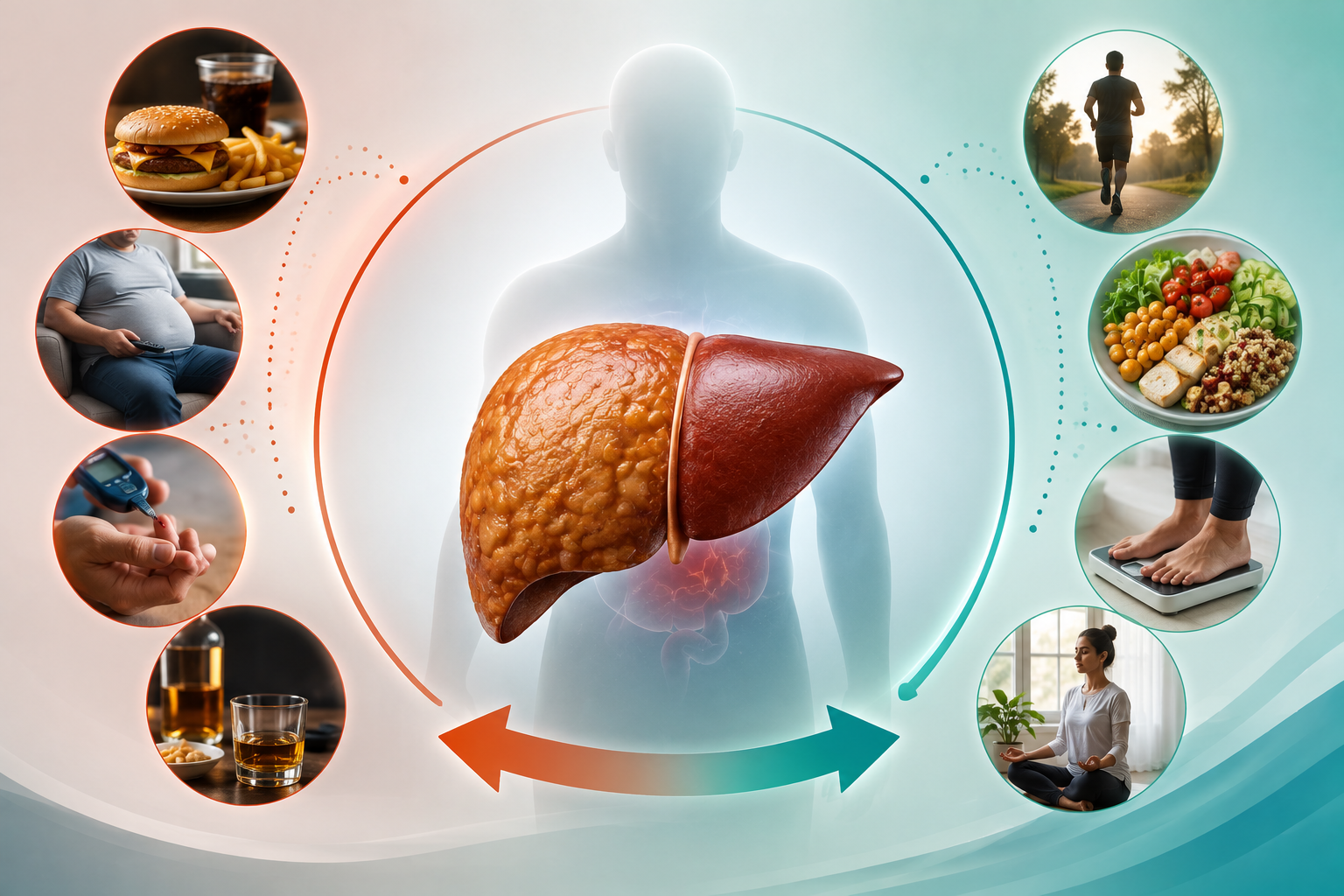
Understand fatty liver warning signs, metabolic risk factors, MASLD progression and practical steps that can help reverse early-stage liver damage.
Read More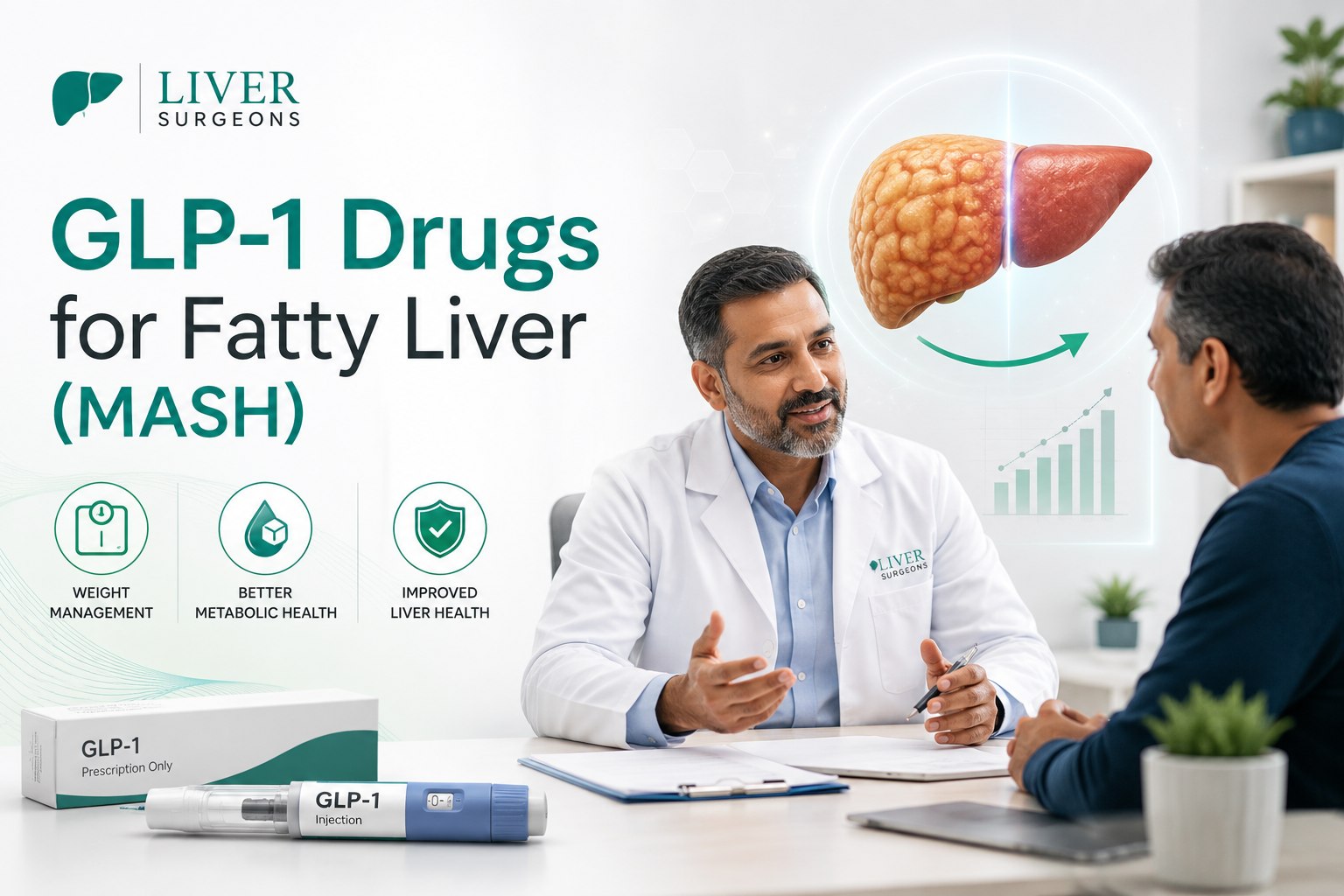
Learn how GLP-1 medicines, weight loss and metabolic improvement may help patients with fatty liver disease and MASH.
Read More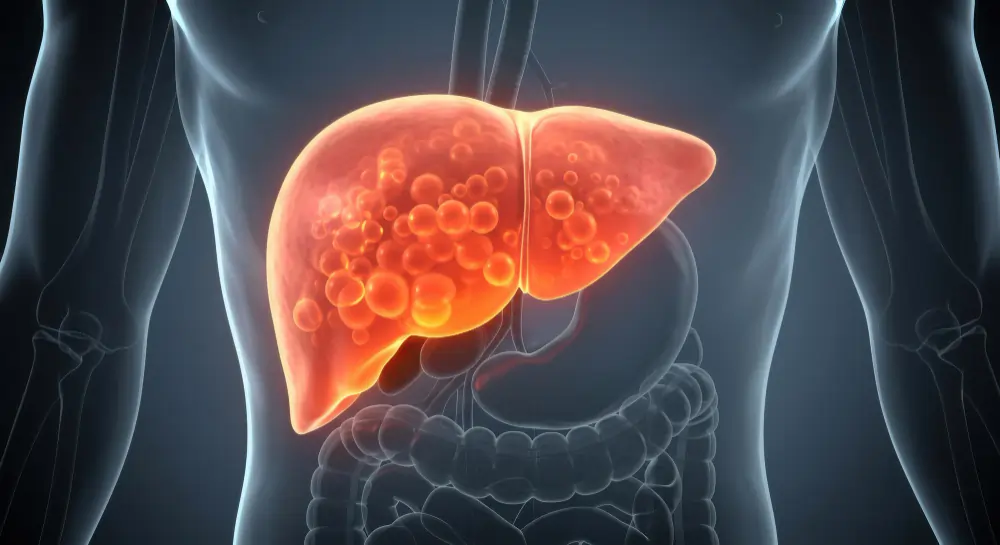
Understand fatty liver symptoms, disease stages, diagnosis, FibroScan, fibrosis progression and available treatment options in India.
Read More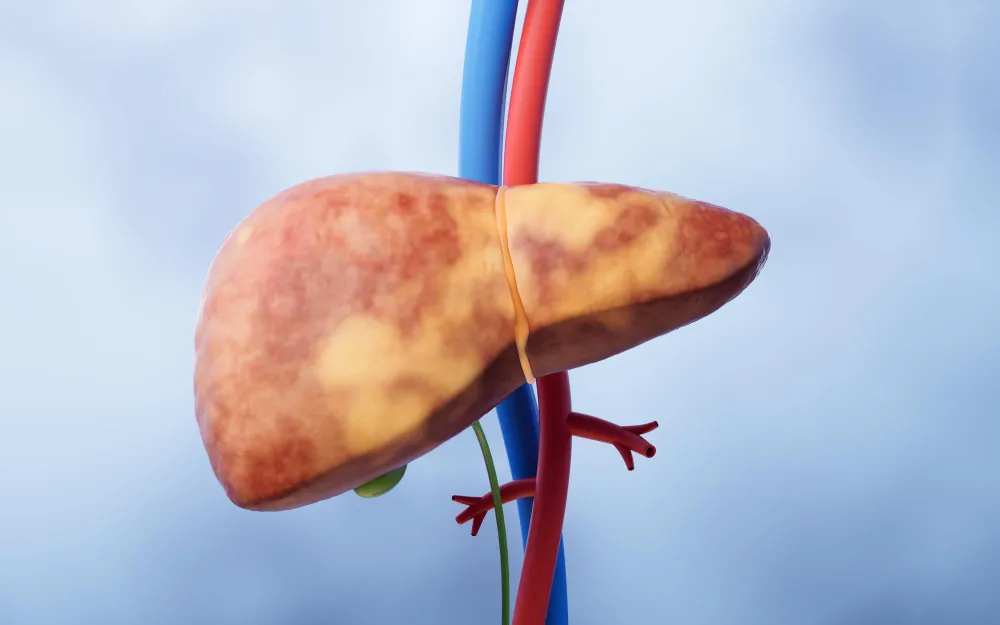
Follow fatty liver progression from simple steatosis to inflammation, fibrosis and cirrhosis, and learn when specialist treatment becomes necessary.
Read More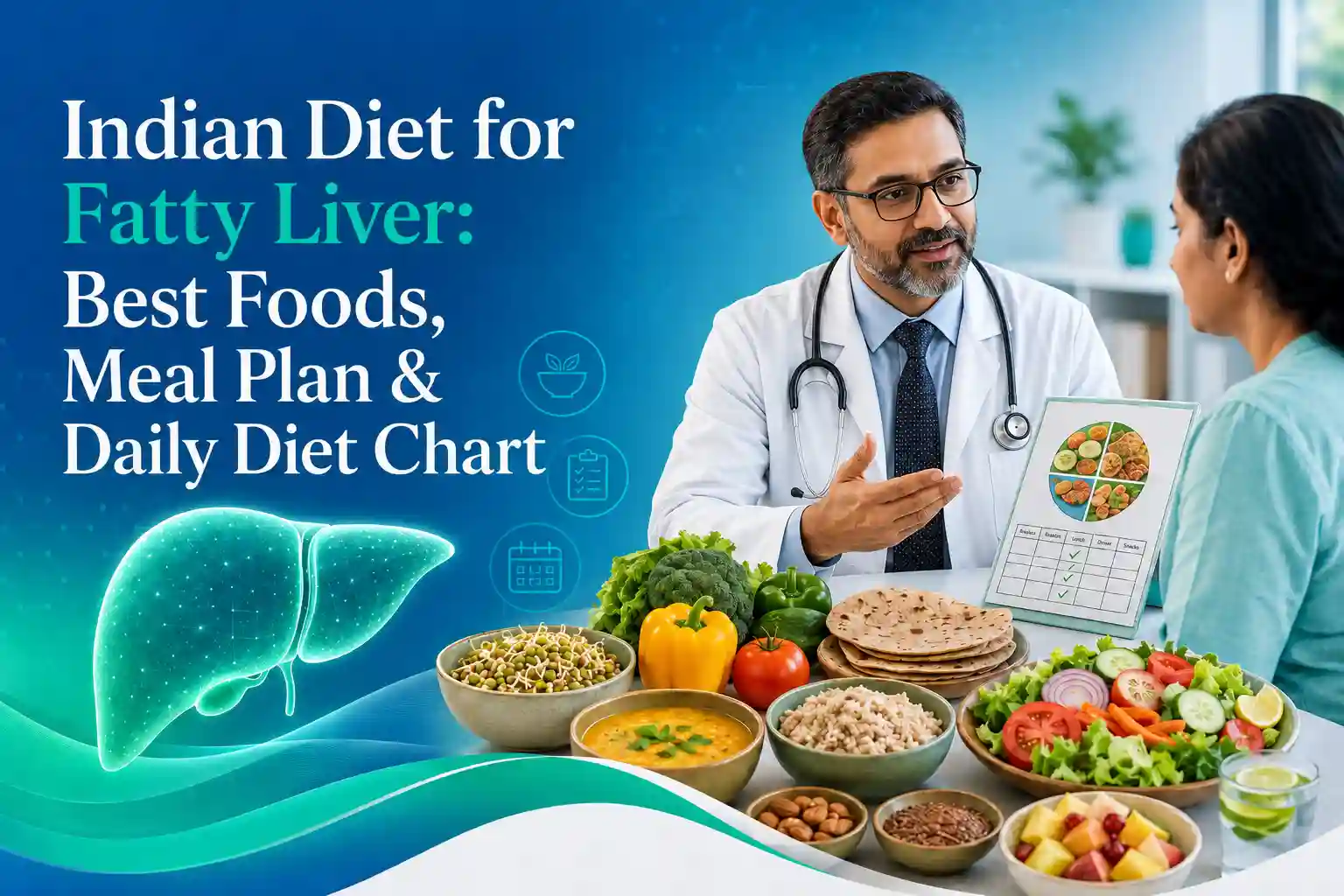
Discover a practical Indian fatty liver diet with healthier foods, portion guidance and daily meal planning to support weight and liver health.
Read More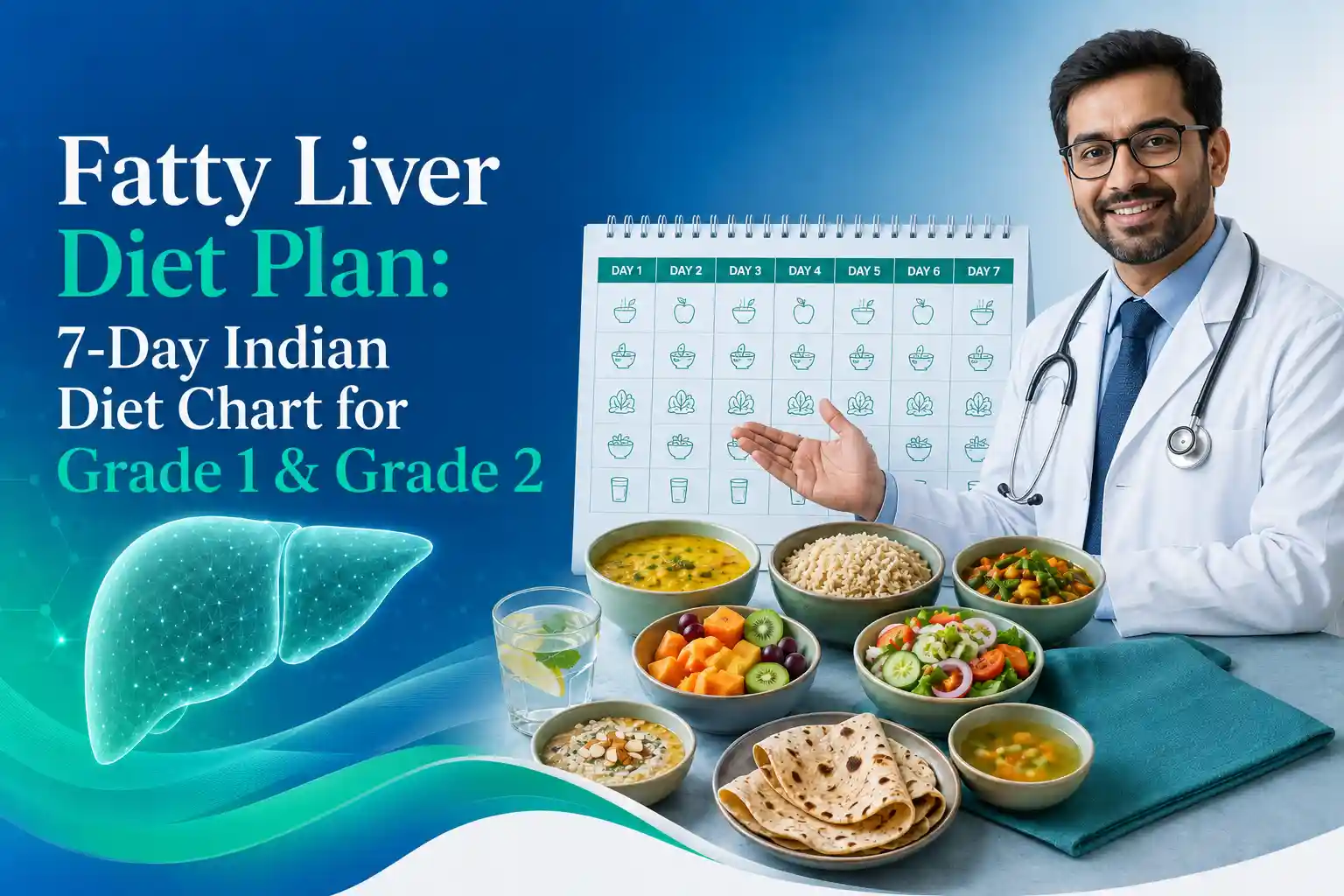
Follow a practical seven-day Indian diet plan designed for Grade 1 and Grade 2 fatty liver with balanced meals and healthier food choices.
Read More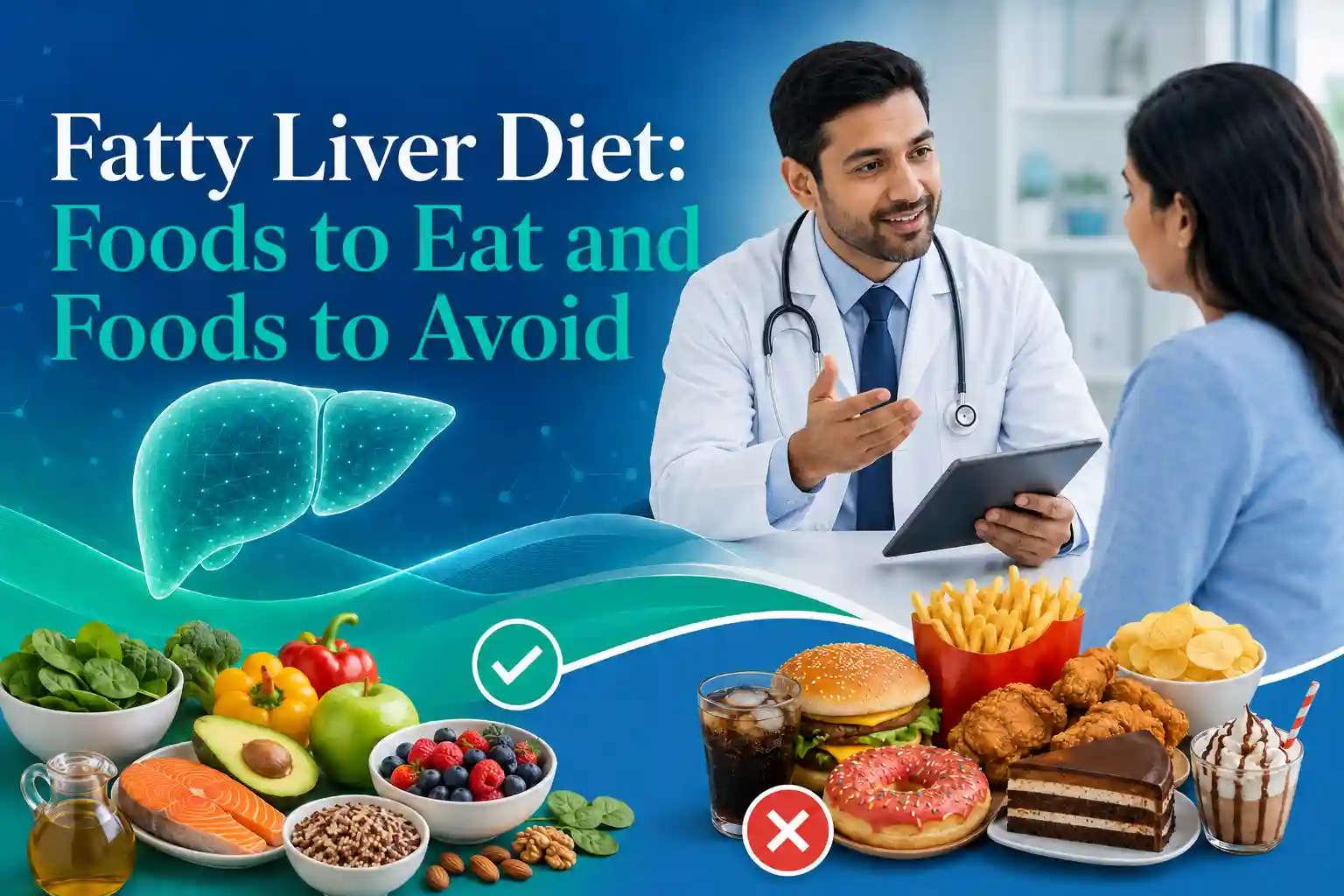
Learn which foods can support fatty liver management and which high-sugar, refined and processed foods should be limited or avoided.
Read More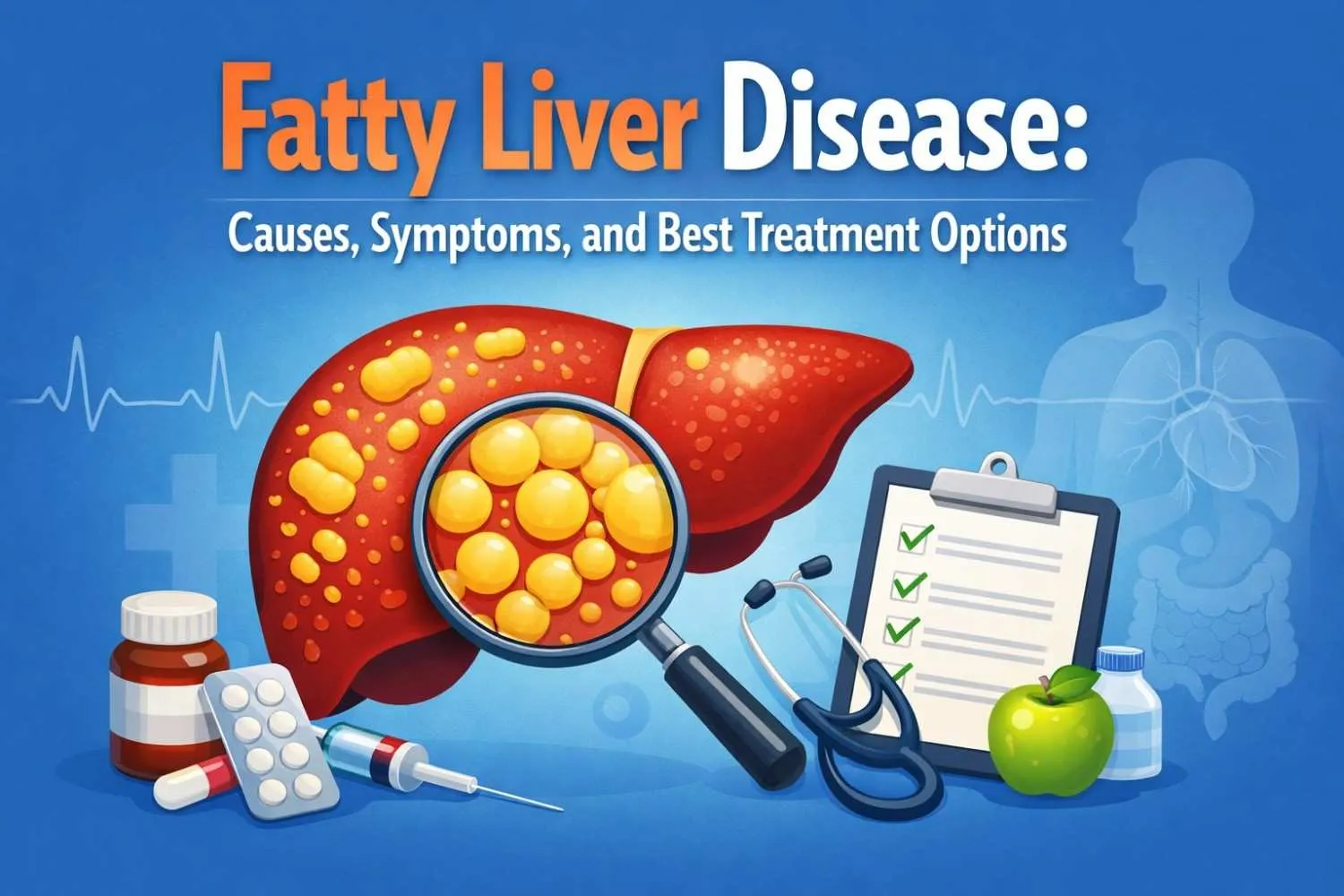
Learn about fatty liver causes, symptoms, diagnosis, treatment options and ways to reduce inflammation and prevent fibrosis progression.
Read More