Liver Disease Screening: When Should You Get Tested and Which Tests Matter Most?
Learn how liver function tests, ultrasound, FibroScan, CT, MRI and liver biopsy help detect and diagnose liver disease accurately.
Read More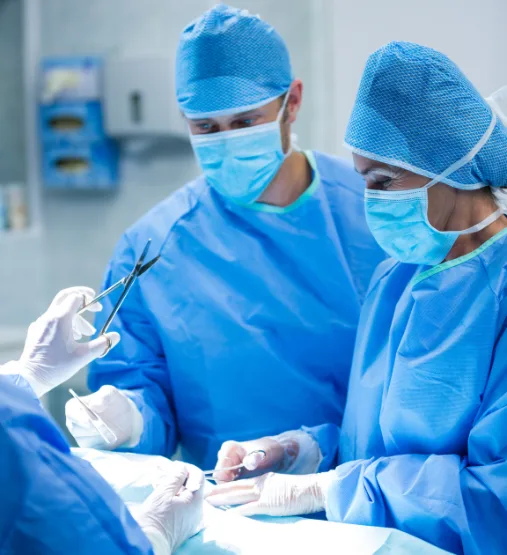
A liver biopsy is a test in which a small sample of liver tissue is taken and examined under a microscope to diagnose and stage liver disease. It is the most reliable way to confirm conditions such as cirrhosis , liver tumours and autoimmune hepatitis . In Hindi, a liver biopsy is sometimes described as a liver ki biopsy or liver ki jaanch. What makes a liver biopsy test accurate and safe is how it is done:
More than a thousand liver transplants performed by the team to date, with experienced liver specialists interpreting every biopsy.




Advanced diagnostics for accurate liver disease assessment.
A needle is passed through the skin under ultrasound guidance to take the sample. This is the most common type, used for cirrhosis, fatty liver and suspected tumours. You are monitored for about 4 to 6 hours afterwards.
A thin catheter is passed through a neck (jugular) vein to reach the liver from inside the blood vessel. It suits patients with bleeding disorders or significant ascites, because it avoids puncturing the liver surface.
Sometimes called an edge or wedge biopsy, this is a sample taken from the edge of the liver during an operation (for example during gallbladder or tumour surgery). It is used when a patient is already having surgery, so no separate procedure is needed.
A biopsy answers questions that blood tests and scans sometimes cannot. It is commonly used for:
Wondering how to detect liver problems in the first place? Most start with blood tests and a scan; a biopsy is used when those need confirming. See our guide on liver disease screening and what SGPT and SGOT results mean.
Knowing the liver biopsy procedure step by step takes away most of the worry:
This is the most common worry, and the answer is reassuring. The area is numbed with local anaesthetic, so most people feel only pressure or a brief dull ache, not sharp pain, as the sample is taken. Mild soreness at the site for a day or two is normal and settles with simple pain relief. Children have the procedure under sedation.
The tissue sample is examined by a hepatopathologist, and the histopathology report is usually ready in about 48 to 72 hours. Your specialist then explains what the results mean for your diagnosis and the next steps. Results tell you the type of liver disease, the amount of inflammation, and the stage of any scarring (fibrosis or cirrhosis).
A liver biopsy is a safe procedure. Serious complications are uncommon (generally under 1 to 2 percent) and can include bleeding, pain or infection. Image guidance and an experienced team keep this risk low.
These are used when a biopsy is not needed or not advisable. Where a definite tissue diagnosis is required, biopsy remains the gold standard.
A common question is the liver biopsy cost in Delhi and across India. The liver biopsy test price depends on the type of biopsy, the imaging used, and the pathology work involved. The figures below are approximate and are confirmed before the procedure:
| Type of Liver Biopsy | Approximate Cost (India) |
|---|---|
| Percutaneous (ultrasound-guided) | Around Rs 8,000 to Rs 20,000 |
| Transjugular (through a vein) | Around Rs 25,000 to Rs 50,000 |
| Histopathology / reporting | Often included; confirm at consultation |
Note: These are indicative ranges. Your exact liver biopsy charges in Delhi depend on the type of biopsy, imaging, anaesthesia and pathology, and are explained clearly before the test. Specialist liver biopsy in India costs a fraction of the price in Western countries, with the same quality of testing.
When looking for the best liver biopsy doctor or a liver biopsy clinic in Delhi, these are the things that matter most:
As a dedicated liver biopsy clinic led by an experienced liver biopsy surgeon in Delhi, every biopsy is part of complete liver care, not a standalone lab test. This page is part of our wider diagnostics and supportive care and liver and hepatology programme.
If you have abnormal liver tests, suspected cirrhosis, or a condition that needs confirming, an accurate biopsy gives you answers and a clear way forward. Book a consultation with Dr. Ashish George at Fortis Hospital, Shalimar Bagh.
No, not for most people. The area is numbed with local anaesthetic, so you feel pressure or a brief dull ache rather than sharp pain. Mild soreness for a day or two afterwards is normal.
The histopathology report is usually ready in about 48 to 72 hours, after which your specialist explains what it means for you.
Blood tests and scans guide the diagnosis, but a biopsy is the gold standard for confirming and staging conditions like cirrhosis and autoimmune hepatitis when a definite tissue answer is needed.
Rest for about 24 hours and avoid heavy lifting. You will get detailed aftercare instructions, and most people return to normal activity the next day.
Fast for about 6 to 8 hours, avoid blood thinners as advised, and arrange a ride home. You will receive personalised instructions beforehand.
Patients with bleeding disorders, severe ascites or clotting problems, because the transjugular route is safer for them. Your team assesses which type suits you.
Yes, safely, under sedation, with the procedure and dose tailored to the child.
A percutaneous liver biopsy is roughly Rs 8,000 to Rs 20,000, and a transjugular biopsy more, depending on imaging and pathology. Your exact cost is confirmed before the test.
Expert guidance on liver disease screening, liver function tests, liver biopsy, fibrosis and cirrhosis assessment, fatty liver disease, transplant monitoring and advanced liver diagnostics.
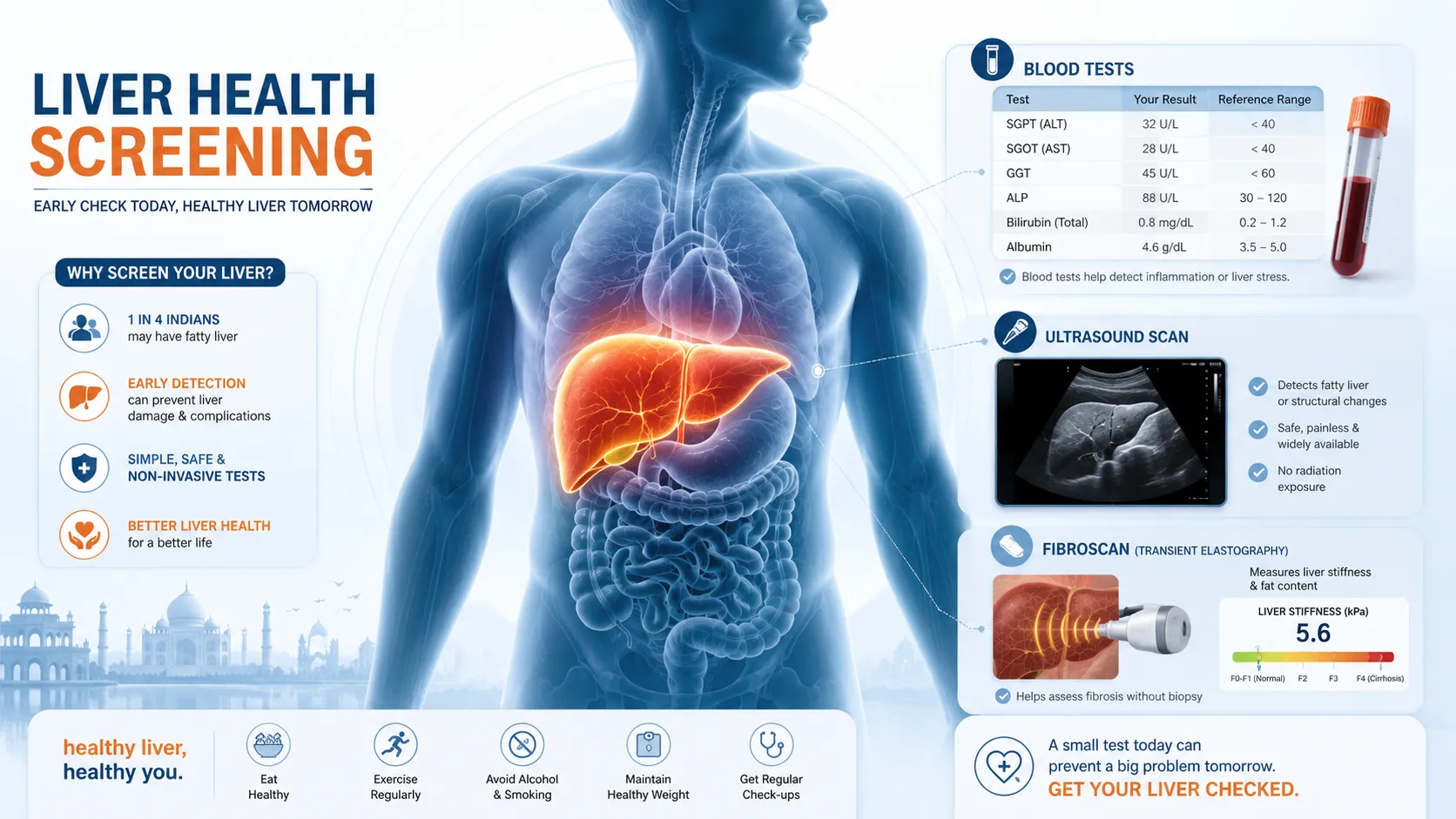
Learn how liver function tests, ultrasound, FibroScan, CT, MRI and liver biopsy help detect and diagnose liver disease accurately.
Read More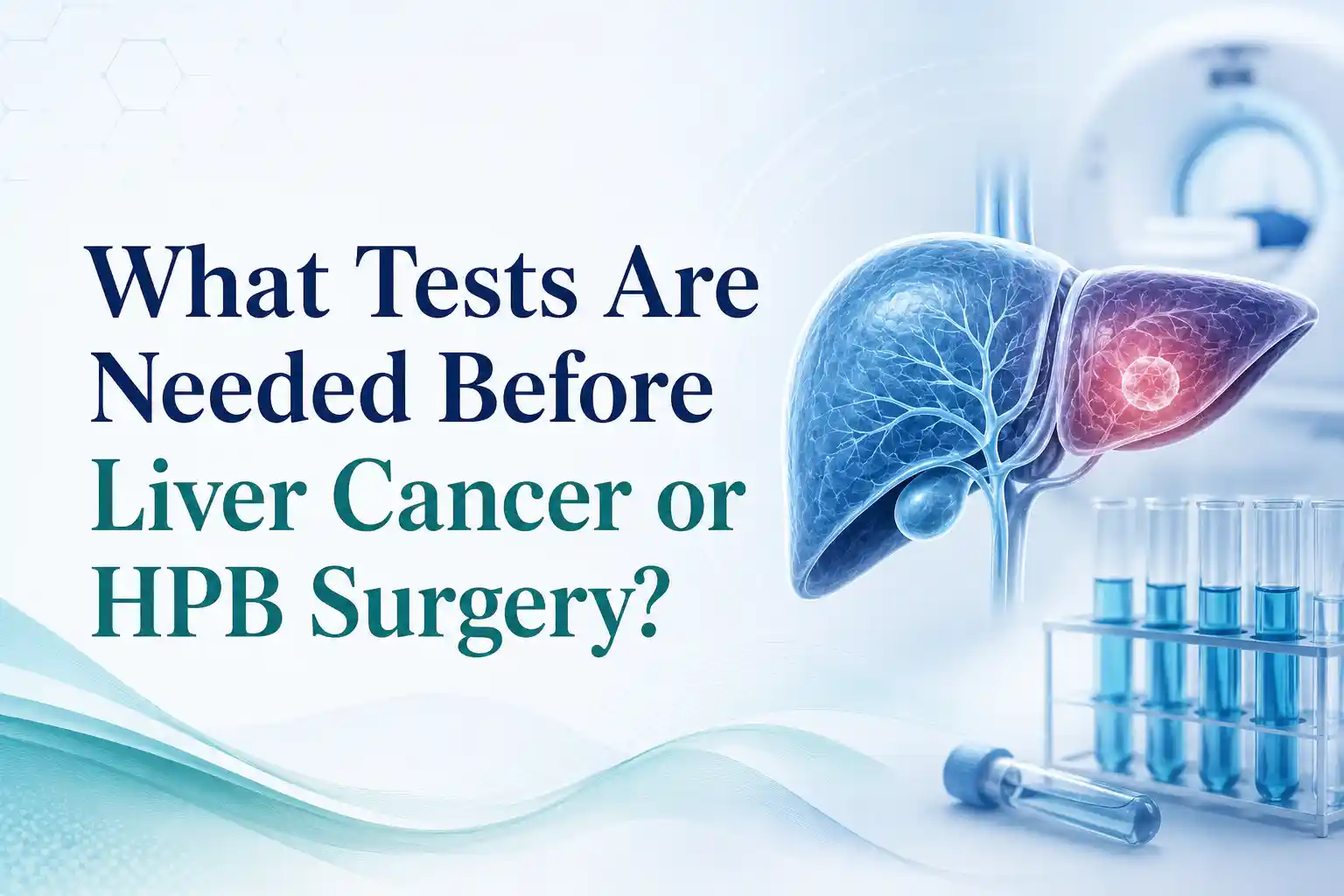
Understand when liver biopsy, blood tests, CT, MRI and other diagnostic investigations are needed before complex liver treatment.
Read More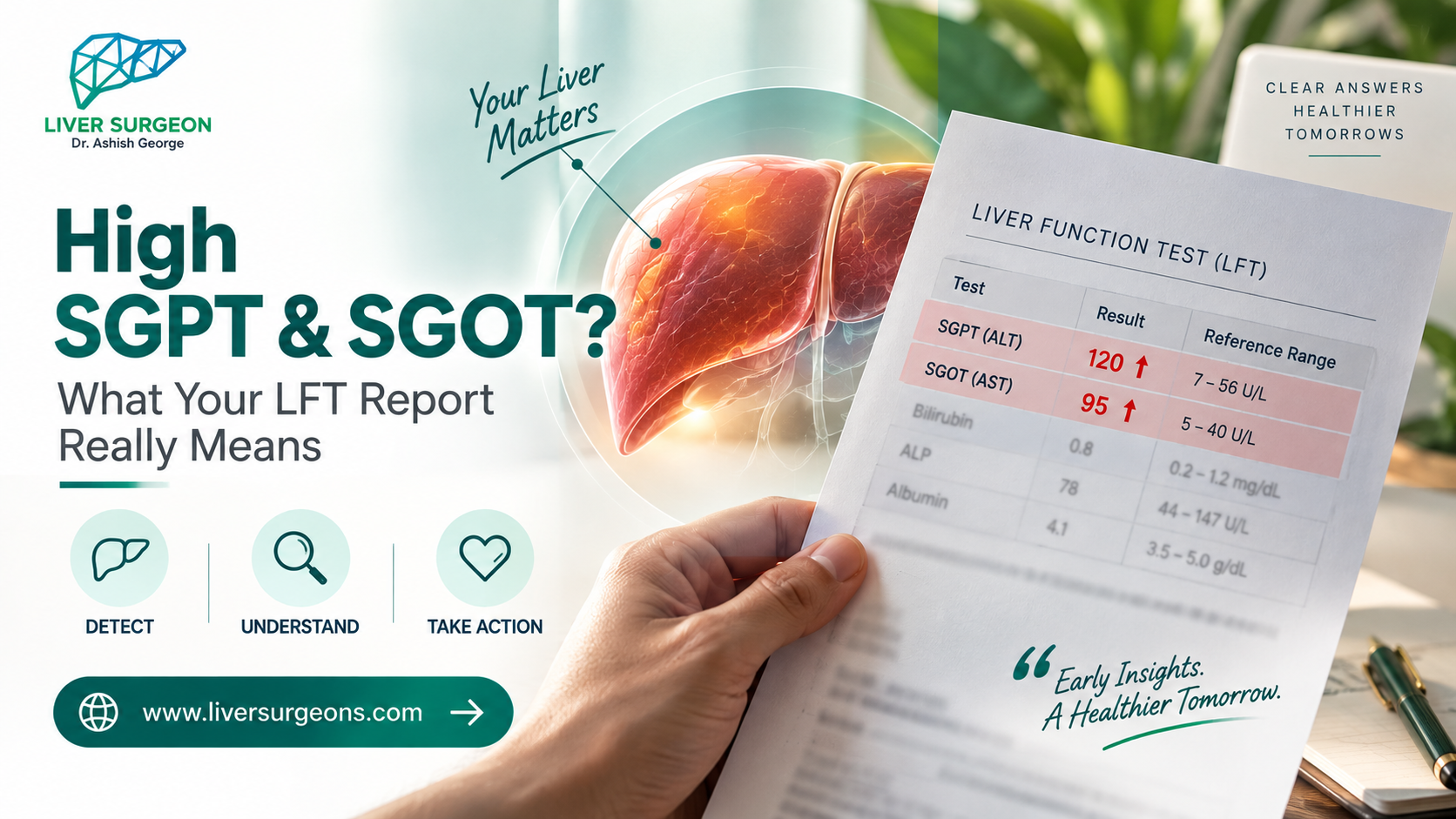
Understand high ALT and AST levels, common causes of abnormal liver enzymes and when further liver testing may be needed.
Read More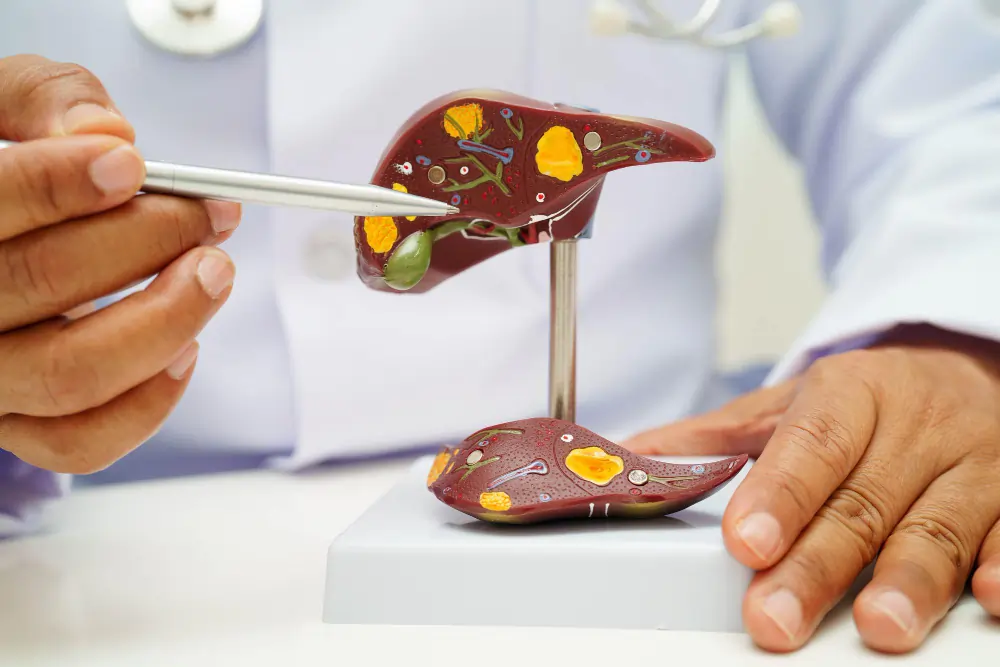
Learn how cirrhosis is staged using blood tests, imaging, FibroScan and selected liver biopsy, and how disease severity affects treatment.
Read More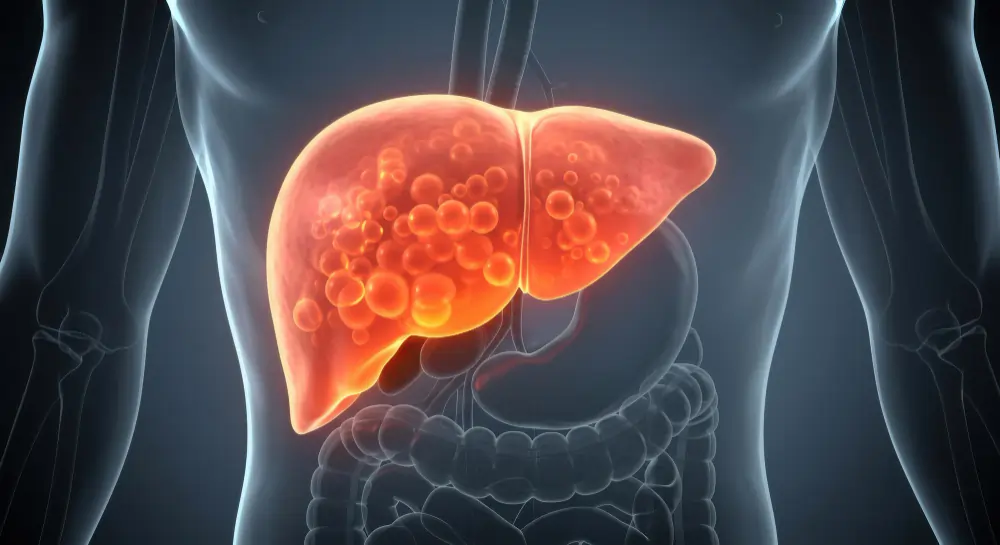
Understand fatty liver stages, diagnosis, FibroScan and why liver biopsy may be needed to confirm and stage MASH or NASH.
Read More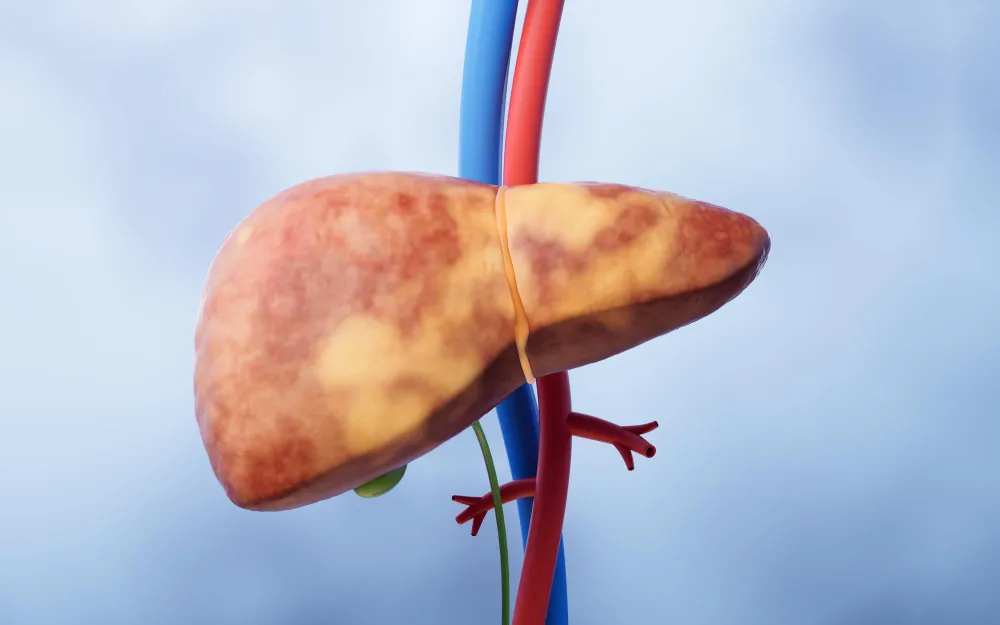
Learn how fatty liver can progress from simple steatosis to inflammation, fibrosis and eventually liver cirrhosis.
Read More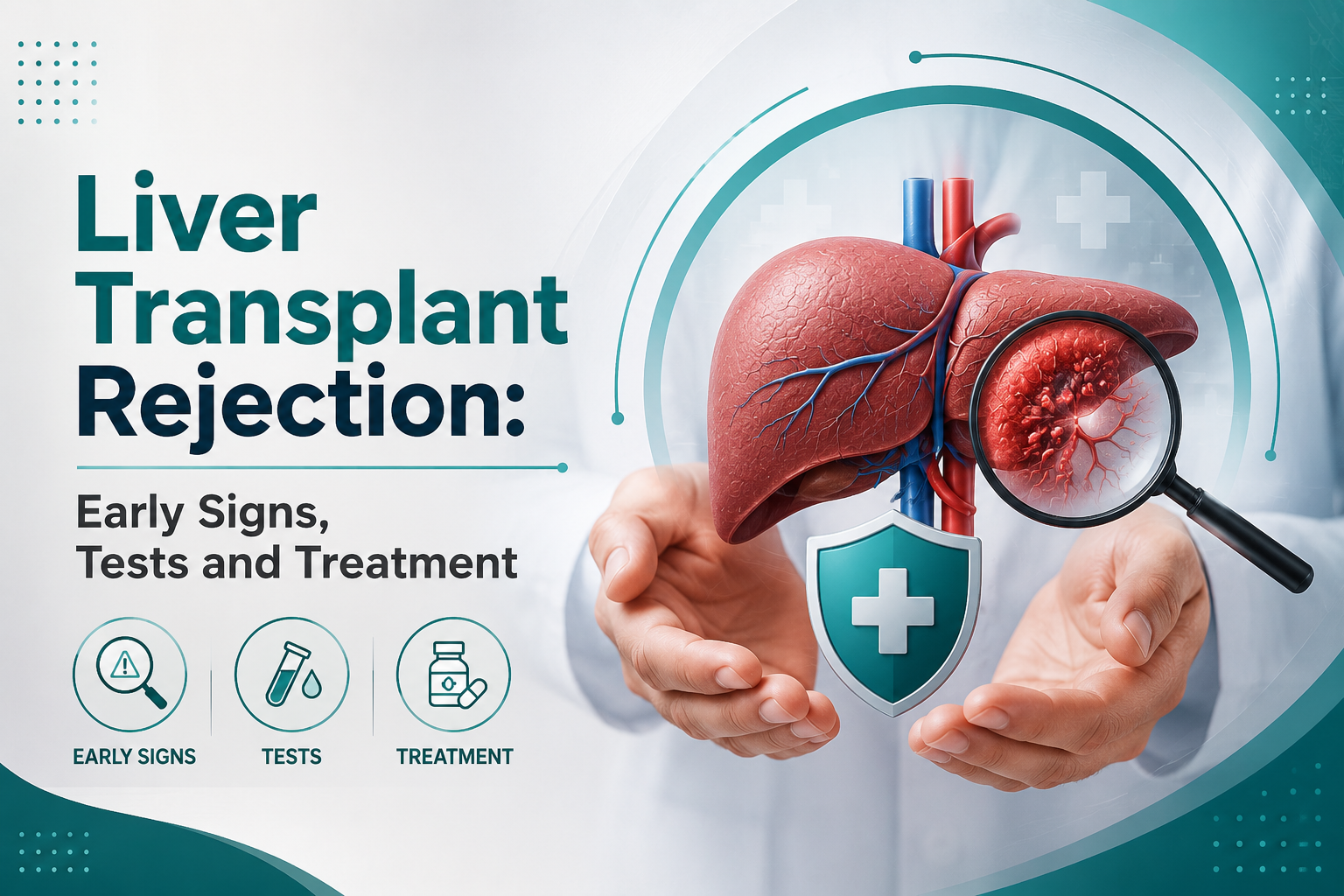
Learn how blood tests, imaging and liver biopsy are used to investigate suspected liver transplant rejection and assess its severity.
Read More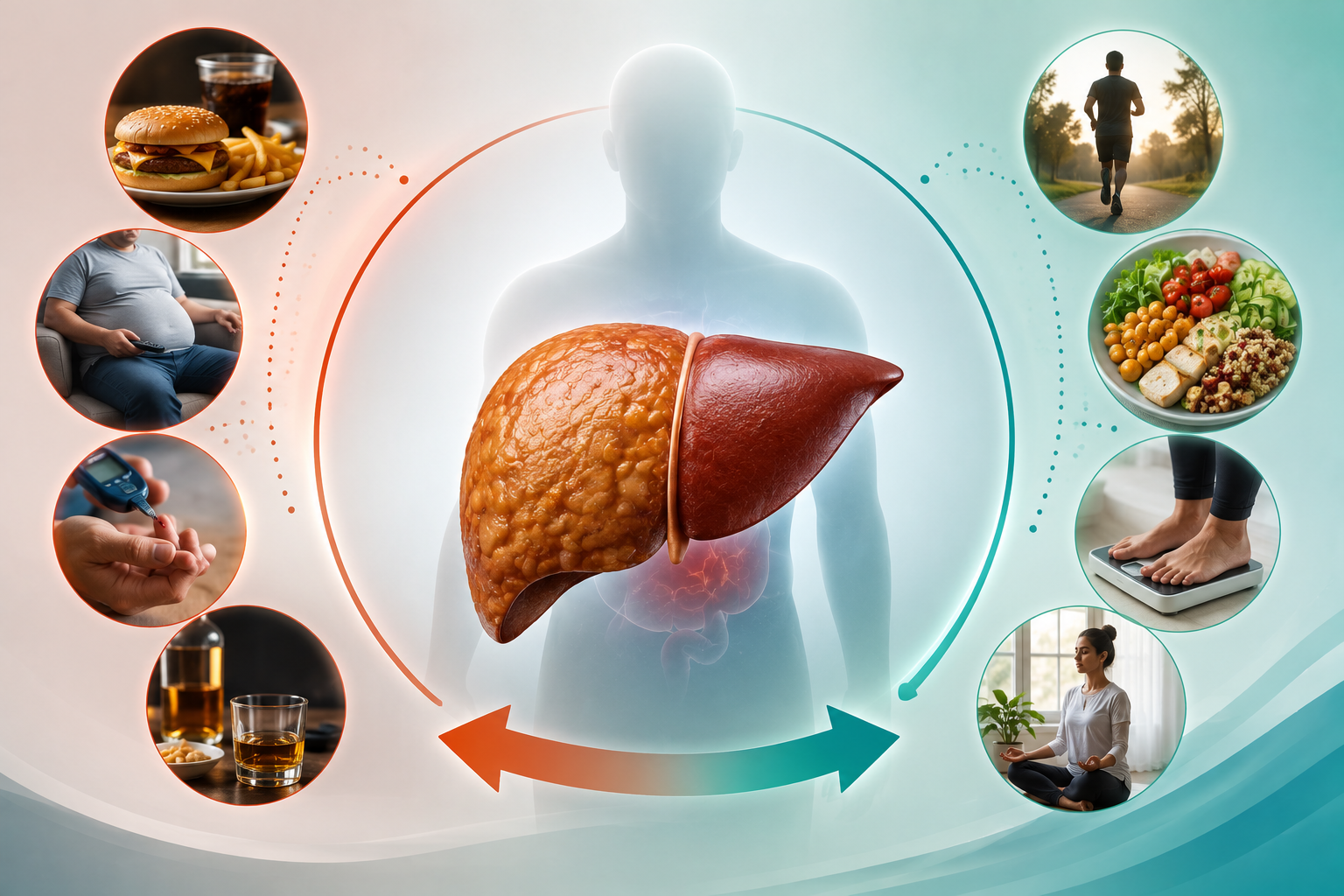
Learn about fatty liver warning signs, diagnosis with blood tests, ultrasound and FibroScan, and when liver biopsy may be required.
Read More