Liver Resection (Hepatectomy): What to Expect Before, During, and After Surgery
Understand liver resection preparation, surgical techniques, recovery and liver regeneration after major or complex hepatectomy.
Read More
Advanced liver resection refers to a family of high-complexity hepatic procedures used when standard open or laparoscopic hepatectomy cannot achieve a safe, tumour-free margin. The three core techniques are ante-situm liver resection, ex-situ liver resection (bench surgery), and complex liver resection with vascular reconstruction.
When a liver tumour involves major blood vessels, sits deep within both lobes, or has been declared inoperable elsewhere, advanced liver resection in Delhi by a specialist team offers a genuine surgical path. Dr. Ashish George performs ante-situm liver resection, ex-situ liver resection, and complex liver surgery in Delhi procedures reserved for the most technically demanding cases in hepatobiliary oncology.
These are not routine hepatectomies. They require hypothermic organ perfusion, vascular reconstruction, and in selected cases liver autotransplantation reimplanting the patient's own liver after resection outside the body to achieve curative resection where other techniques cannot safely achieve clear margins.
At Liver Surgeons, all advanced liver surgery in Delhi is led by Dr. Ashish George, a specialist liver transplant and HPB surgeon at Fortis Hospital, Shalimar Bagh, Delhi, with experience across the full spectrum of ante-situm, ex-situ, and complex vascular reconstructive procedures. His advanced resection programme is part of our wider advanced HPB surgery programme and is supported by a dedicated liver transplant ICU, interventional radiology, and a hepatology team.





Cutting-edge surgical techniques for complex liver tumors and conditions
The table below compares the three core techniques of advanced liver resection so patients and referring clinicians can understand which approach applies to a given case.
| Technique | What Happens | Used When |
|---|---|---|
| Ante-situm Liver Resection | Liver partially mobilised, cooled in place via hypothermic perfusion cannula, resected while maintaining partial circulation through the inferior vena cava | Tumours abutting or encasing hepatic veins or the retro-hepatic IVC where full extraction is not required |
| Ex-situ Liver Resection (Bench Surgery) | Liver fully removed, cooled in a preservation bath, resected on a sterile bench under full visualisation, then reimplanted (liver autotransplantation) | Central or bilobar tumours requiring complex vascular reconstruction that cannot be achieved safely inside the body |
| Complex Liver Resection with Vascular Reconstruction | Major hepatectomy combined with repair or reconstruction of the portal vein, hepatic artery, or inferior vena cava using grafts or anastomotic techniques | Tumours with direct vascular invasion where vessel preservation or reconstruction is needed for adequate remnant perfusion |
All three techniques share one requirement: a surgeon trained in both advanced HPB surgery and transplant-level vascular reconstruction. Very few centres in India offer all three under a single surgical team.
Ante-situm liver resection (literally "in the same site") partially detaches the liver, cools it through a perfusion cannula placed in the portal vein or hepatic artery, and allows the surgical team to resect the tumour while the organ remains connected to the inferior vena cava. The key advantages over ex-situ resection are shorter ischaemia time and avoidance of the full reimplantation step.
The liver is cooled to approximately 4 degrees Celsius using a preservation solution delivered through the portal vein. This slows hepatocyte metabolism dramatically, extending the safe ischaemia window from the standard 15 to 20 minutes under the Pringle manoeuvre to 60 to 90 minutes or more. The surgical team uses this extended window to resect around deeply situated vessels and reconstruct them without time pressure. Liver function is restored when perfusion is re-established.
Ex-situ liver resection also called bench surgery involves complete removal of the liver, preservation in a cold perfusate bath, and resection of the tumour on a back table outside the body. The liver is then reimplanted using the same anastomotic techniques as a liver transplant. This is, in effect, liver autotransplantation: the patient's own organ is returned after surgical reconstruction. No donor organ is required, no waiting list applies, and no immunosuppression is needed after surgery.
Not every patient presenting for ex-situ liver resection in Delhi is a candidate for autotransplantation. Assessment includes:
The liver autotransplantation surgeon in Delhi leading these cases, Dr. Ashish George, holds specific training in hypothermic perfusion and autotransplantation at Fortis Shalimar Bagh a centre with a concurrent liver transplant programme, meaning the rescue pathway (retransplantation with a donor organ) is immediately available if needed. Candidates unsuitable for autotransplantation but with unresectable tumours may be assessed for liver transplant listing instead.
The following conditions most commonly drive referral to an advanced liver surgeon in Delhi for these procedures:
| Condition | Technique Usually Applied | Key Consideration |
|---|---|---|
| Large hepatocellular carcinoma (HCC) invading hepatic veins | Ante-situm or ex-situ resection | Background liver function must support remnant |
| Colorectal liver metastasis bilobar, central | Two-stage resection or ex-situ bench surgery | Oncological staging essential before surgery decision |
| Cholangiocarcinoma with vascular encasement | En-bloc resection with vascular reconstruction | R0 margin is the primary surgical goal |
| Alveolar echinococcosis (parasitic liver disease) | Ex-situ resection with autotransplantation | Most well-established benign indication for autotransplantation |
| Benign giant haemangioma or angiomyolipoma invading vasculature | Ante-situm with hypothermic perfusion | Avoided unless symptomatic and unmanageable by other means |
| Secondary tumours from stomach, pancreas, or adrenal gland | Case-by-case; ex-situ if margins cannot be achieved in situ | Multidisciplinary oncology review required |
Tumours that encase or directly invade the portal vein, hepatic artery, or inferior vena cava were historically considered unresectable. Advances in complex liver surgery in Delhi now allow en-bloc resection with vessel reconstruction using synthetic grafts, autologous vein segments, or cryopreserved allografts restoring blood flow to the remnant liver and making curative surgery possible.
The technical demands of vascular reconstruction mean that a complex liver surgeon in Delhi performing these cases must hold training in both hepatobiliary surgery and transplant-level anastomotic technique skills not acquired in general surgical practice.
When a single-stage resection would leave insufficient liver remnant, a two-stage approach allows the liver to regenerate between operations. Stage one removes the more accessible tumours and ligates or embolises the portal vein to stimulate hypertrophy of the planned remnant lobe. Stage two, typically performed six to eight weeks later, removes the remaining disease once the remnant has grown to a safe volume.
Portal vein embolisation (PVE) is often performed as a radiological procedure ahead of surgery to accelerate remnant hypertrophy. In selected patients, ALPPS (Associating Liver Partition and Portal vein ligation for Staged hepatectomy) delivers faster remnant growth but carries higher complication rates and is reserved for carefully selected cases at our Delhi centre.
Published series from high-volume hepatobiliary centres report the following outcomes for ante-situm and ex-situ resection. The figures below are consistent with the outcomes achieved at the Liver Surgeons practice under Dr. Ashish George:
| Metric | Ante-situm Resection | Ex-situ Resection / Autotransplantation |
|---|---|---|
| R0 (clear margin) resection rate | 70-85% in vascular-invasive cases | 75-90% depending on indication |
| Perioperative mortality (30-day) | 3-8% in high-volume centres | 5-10% (higher due to anhepatic phase) |
| 5-year overall survival (HCC) | 30-50% in selected patients | 40-60% for alveolar echinococcosis; 25-45% oncological cases |
| Hospital stay | 10-14 days | 14-21 days |
| 5-year tumour recurrence (oncological) | 40-60% | Similar; surveillance required |
Note: Outcomes vary significantly with patient selection, background liver function, tumour biology, and centre volume. These figures are drawn from peer-reviewed literature and are provided for reference, not as a guarantee of individual outcomes. Dr. George's team will discuss realistic expectations at the time of consultation.
The most important factor in outcomes for advanced liver surgery in Delhi is surgeon and centre volume. These procedures carry significantly lower complication rates at centres performing more than 20 to 30 such cases per year. When evaluating an advanced HPB surgeon in Delhi or a liver resection surgeon in Delhi, consider:
Dr. Ashish George is among a small number of surgeons in India performing the full spectrum of complex liver resection in Delhi, including ante-situm resection, ex-situ bench surgery, and liver autotransplantation. His practice at Fortis Shalimar Bagh is supported by a dedicated liver transplant ICU, interventional radiology, and a hepatology team the infrastructure these procedures require.
Patients referred to Dr. George's team as an ante-situm liver surgery specialist include those turned away by other centres, those seeking a second opinion on a resectability decision, and international patients seeking advanced liver surgery in Delhi at a fraction of Western procedure costs without compromising on surgical technique or post-operative care.
If you have been told your tumour is inoperable, a second opinion with imaging review by an ex-situ liver resection surgeon in Delhi is reasonable and often changes the management plan. "Inoperable" in a non-specialist setting frequently means the tumour cannot be removed with the techniques available at that centre, not that it cannot be removed at all.
Referrals for ex-situ liver resection in Delhi or ante-situm liver resection in Delhi are assessed with the following workup:
Urgent assessments for patients with deteriorating liver function or time-sensitive oncological windows can be arranged within 48 hours. Contact the team directly via the details below.
Delhi is one of Asia's established destinations for hepatobiliary surgery, combining the volume of a major referral centre with costs that are typically 60 to 75 percent lower than comparable procedures in the United Kingdom, United States, or Australia. For patients travelling to Dr. George's practice:
Whether you have a tumour that has been declared inoperable, a resectability decision you want a second opinion on, or a referral from an oncologist seeking advanced liver resection in Delhi, our Delhi team offers the full spectrum of ante-situm, ex-situ, and complex vascular reconstructive surgery from a single specialist. Book a consultation with Dr. Ashish George at Fortis Hospital, Shalimar Bagh.
No. In ex-situ liver resection with autotransplantation, the patient's own liver is removed, resected on a bench outside the body, and then reimplanted. No donor organ is required, there is no waiting list, and no immunosuppression is needed after surgery. A liver transplant uses an organ from a living or deceased donor. See our liver transplant Delhi page for detail on donor transplantation.
Ante-situm resection typically takes 5 to 8 hours depending on tumour complexity. Ex-situ resection with autotransplantation takes 8 to 12 hours. Both require a dedicated surgical and anaesthetic team experienced with prolonged procedures and hepatic ischaemia management.
Hospital stay after ex-situ resection is typically 14 to 21 days, with the first 2 to 3 days in the liver transplant ICU. Patients are usually able to return to light activity within 6 to 8 weeks and full activity within 3 to 4 months. Recovery after ante-situm resection is somewhat faster: 10 to 14 days in hospital and 4 to 6 weeks before return to light activity.
Background cirrhosis significantly limits resectability because the future liver remnant must have adequate synthetic function to sustain the patient after surgery. Patients with Child-Pugh A cirrhosis and adequate future liver remnant volume may still be candidates on a case-by-case basis. Child-Pugh B or C cirrhosis generally precludes these procedures and would redirect the assessment toward transplant evaluation.
Delhi centres performing complex liver surgery in Delhi operate at volumes comparable to specialist HPB units in Europe and the United States. Procedure costs are substantially lower, without reduction in surgical technique, ICU care, or imaging capability. For patients in South Asia, the Middle East, or Africa, Delhi represents the most accessible high-volume option for procedures of this complexity.
"Inoperable" in a non-specialist setting often means the tumour cannot be removed with the techniques available at that centre, not that it cannot be removed at all. Ante-situm and ex-situ resection exist specifically for this situation. A second opinion with imaging review by an advanced HPB surgeon is reasonable and often changes the management plan entirely.
Primary non-function or vascular thrombosis after autotransplantation is managed in the same way as post-transplant complications: retransplantation with a donor organ is the rescue option if the reimplanted liver fails to function. This underscores the importance of performing autotransplantation at a centre with a concurrent liver transplant programme, so the rescue pathway is immediately available.
Expert guidance on complex liver resection, advanced HPB surgery, vascular reconstruction, robotic surgery, pre-operative evaluation, liver transplantation and specialist liver surgical care.
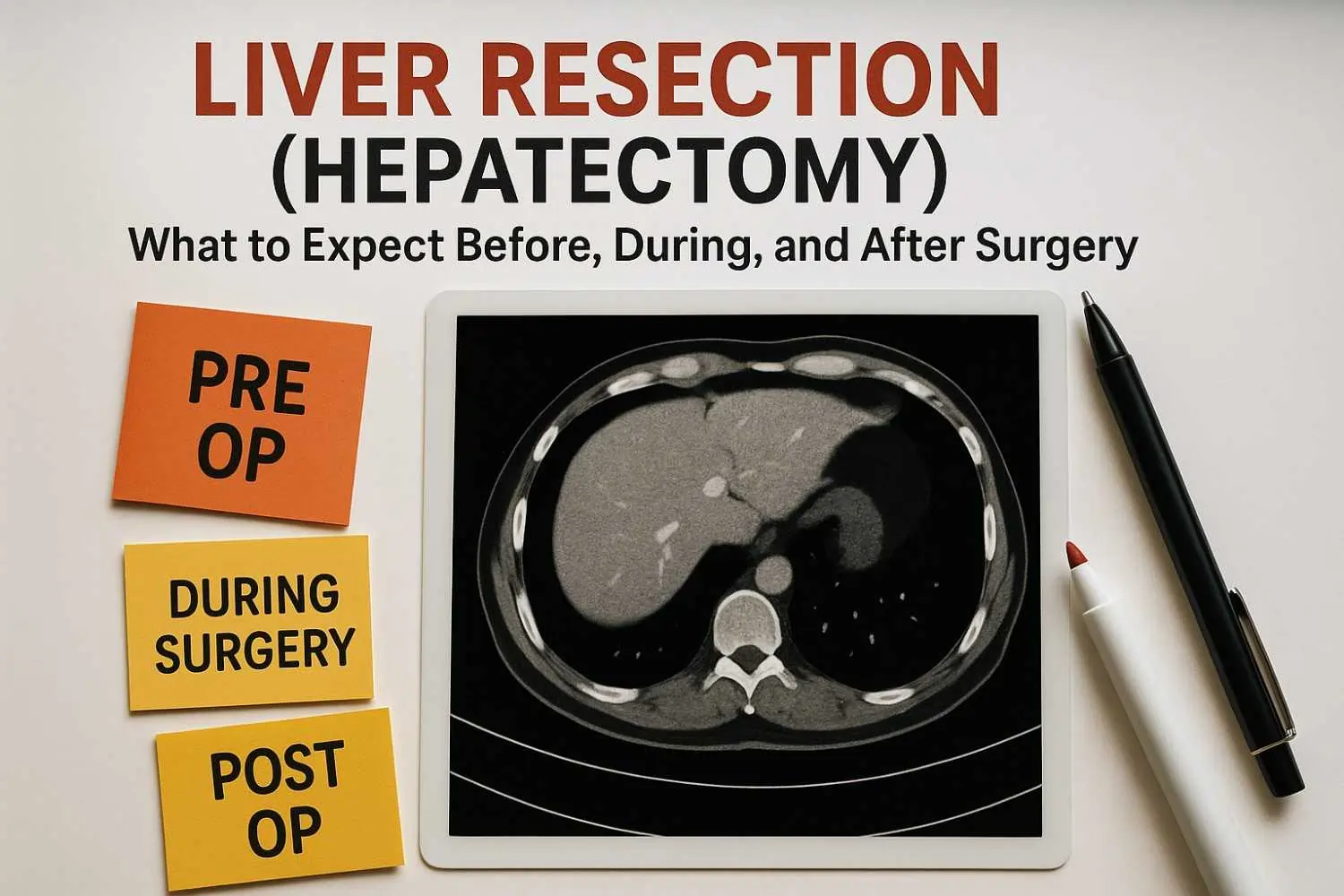
Understand liver resection preparation, surgical techniques, recovery and liver regeneration after major or complex hepatectomy.
Read More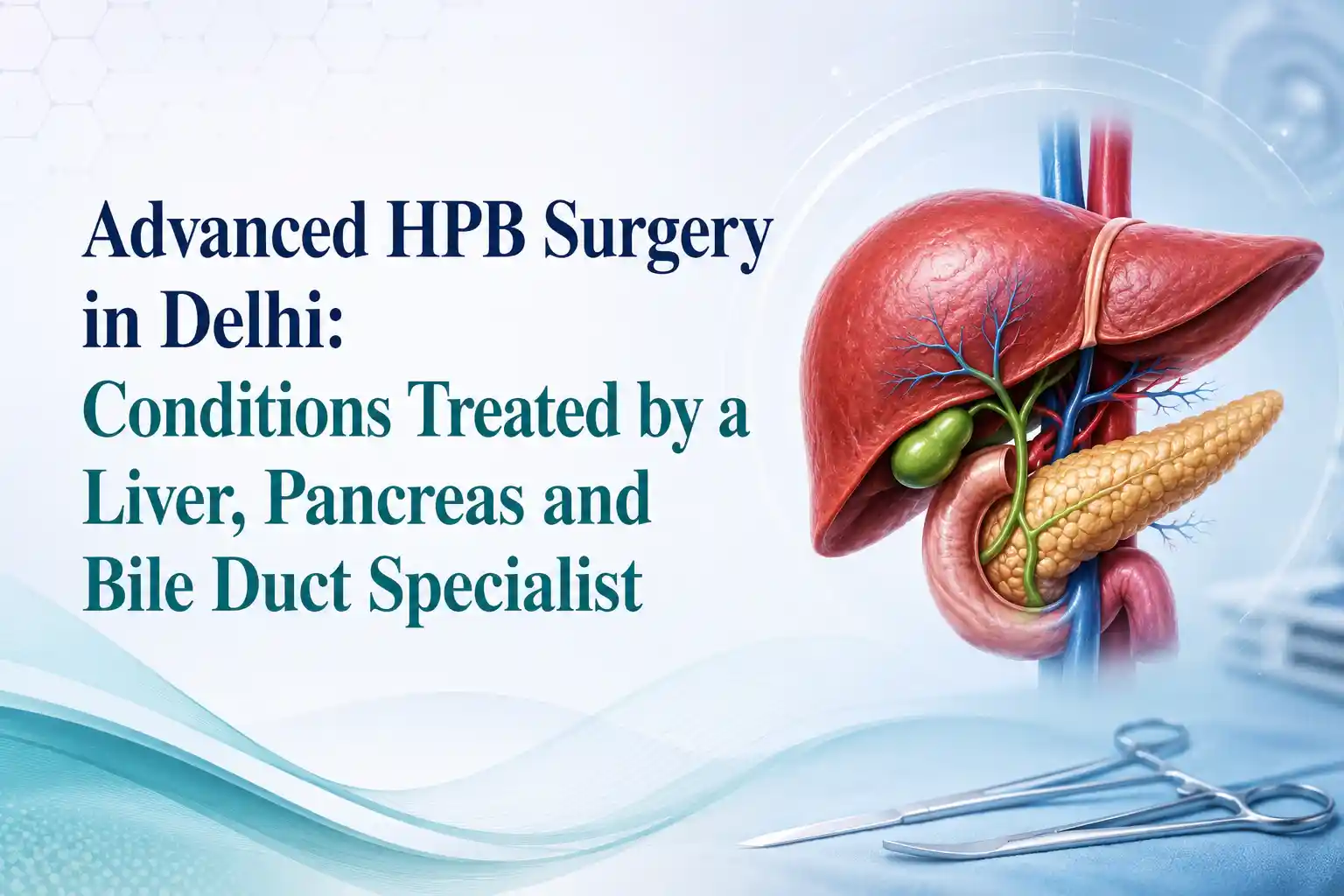
Explore advanced surgical treatment for complex liver tumours, vascular involvement, bile duct disease and other challenging HPB conditions.
Read More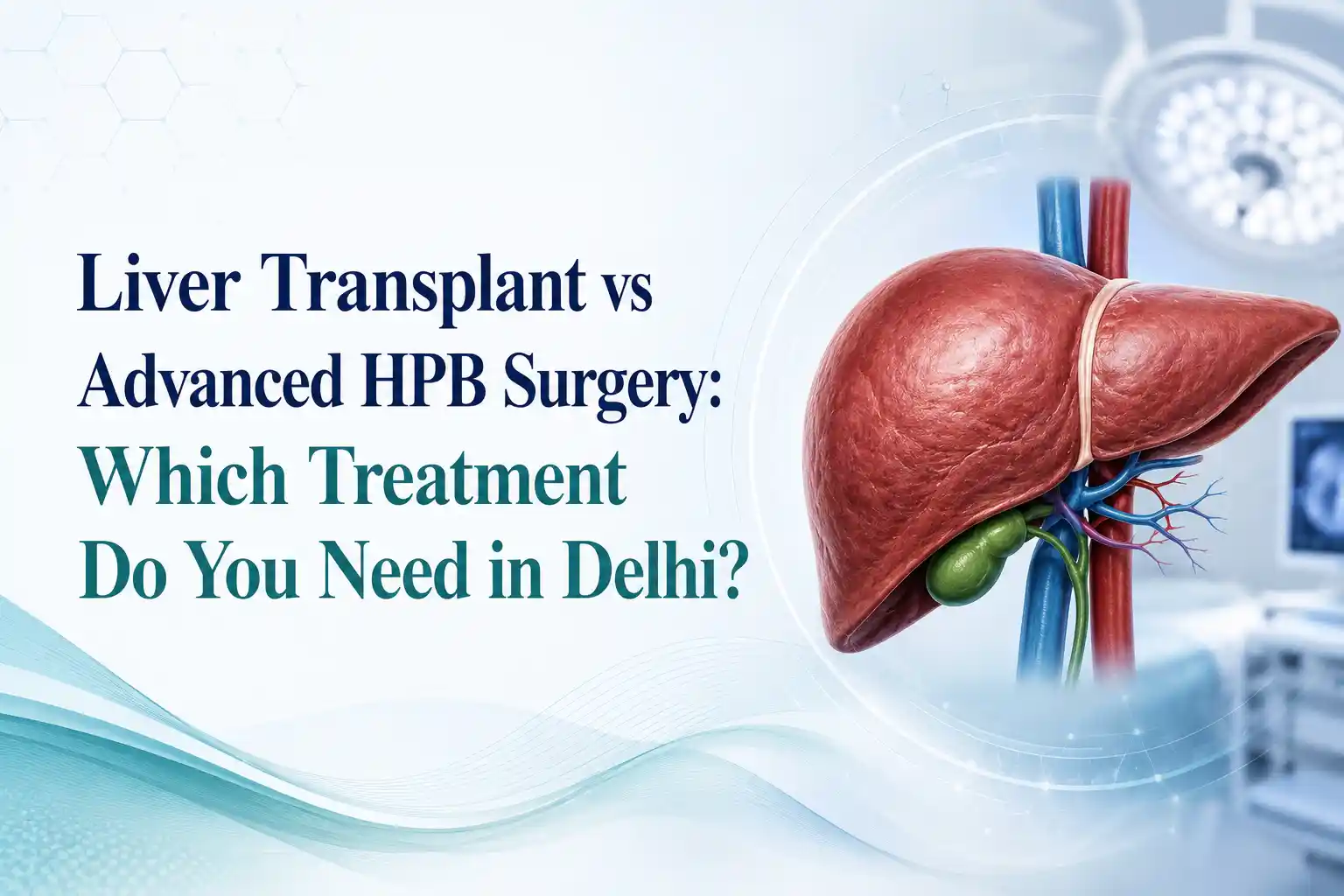
Understand when complex liver disease or tumours may be treated with advanced resection and when liver transplantation may be considered.
Read More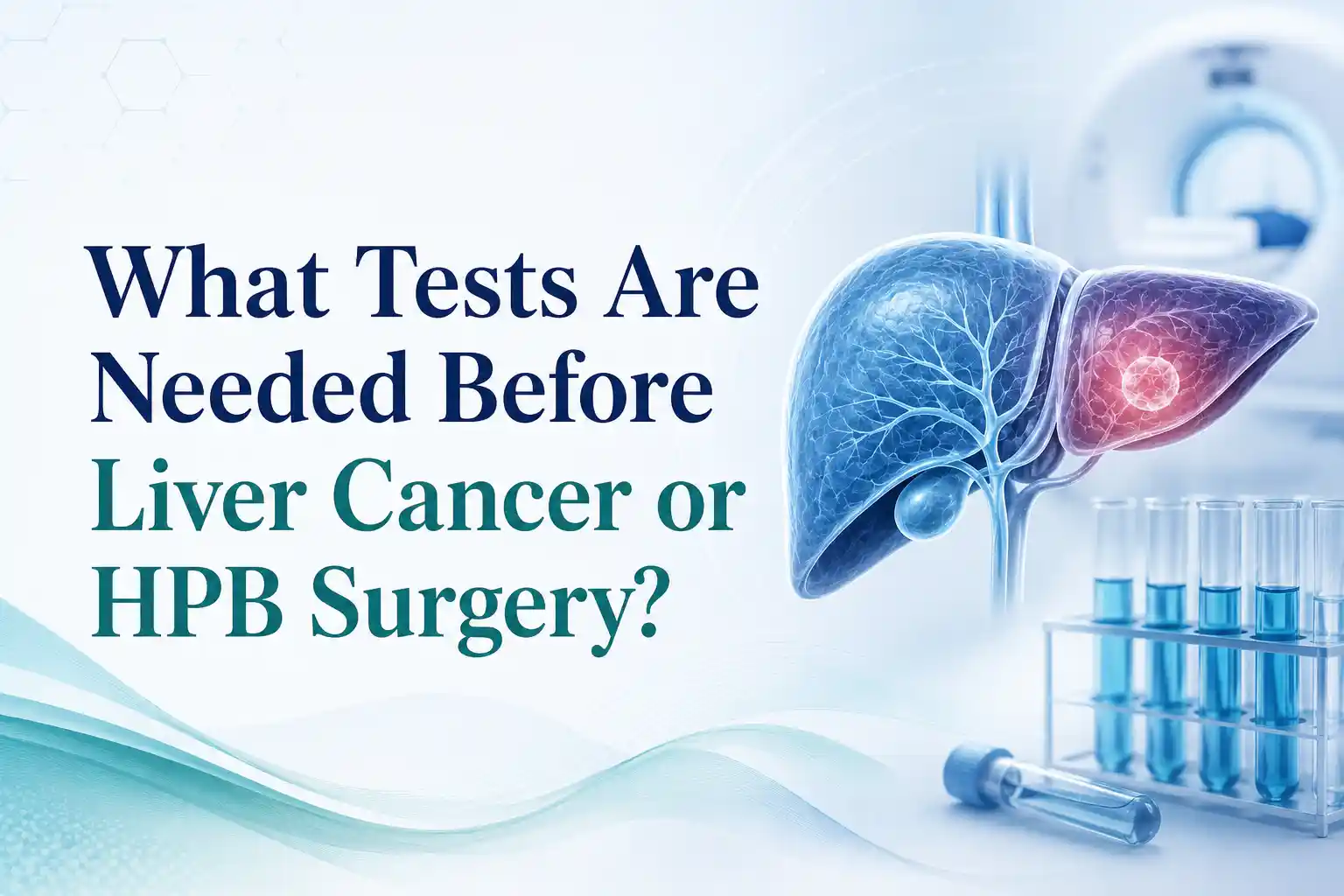
Learn about CT, MRI, liver function tests, tumour markers, volumetry and other investigations used before complex liver surgery.
Read More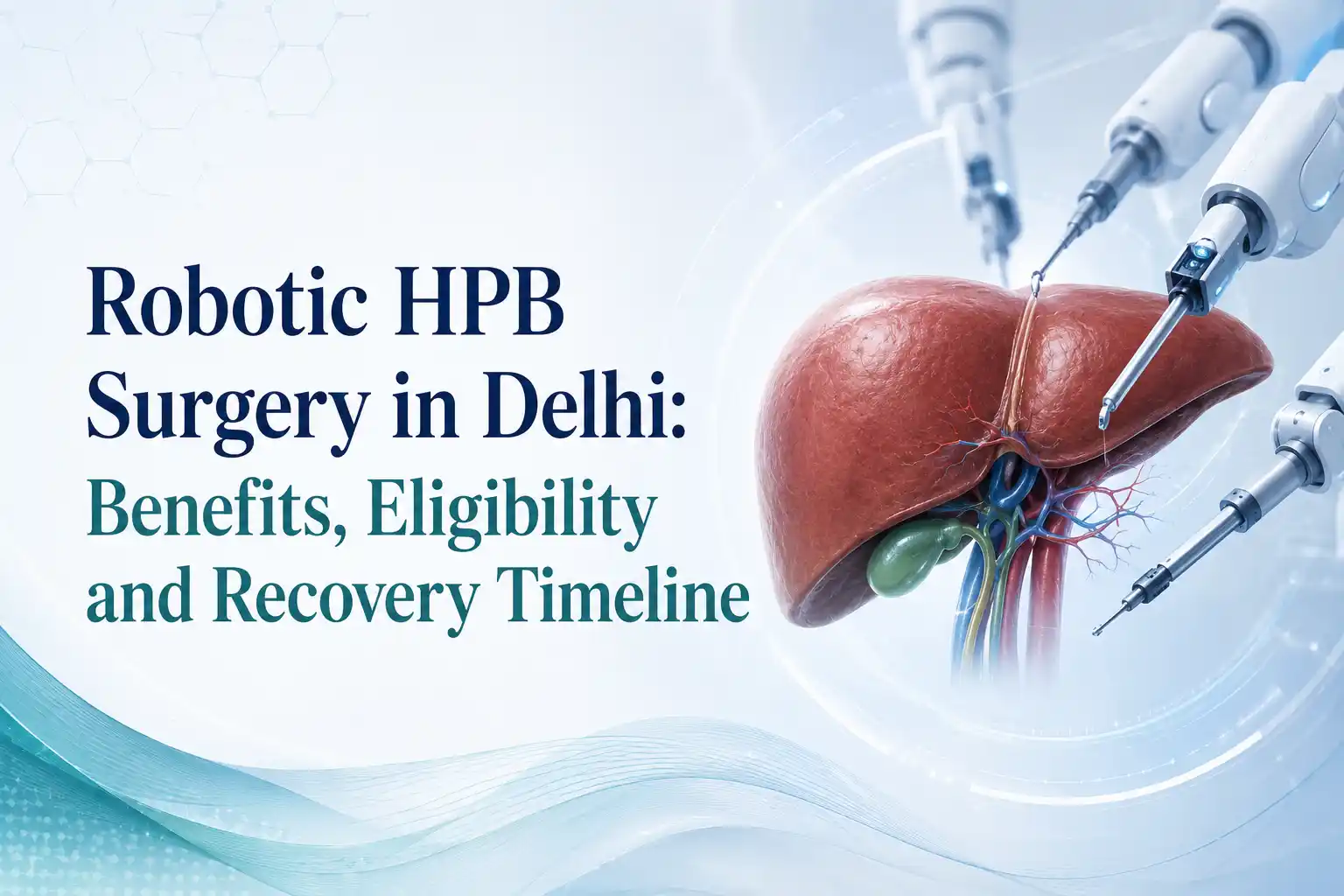
Learn how robotic HPB surgery provides precision, smaller incisions and faster recovery for selected complex liver and hepatobiliary procedures.
Read More
Understand HPB surgery, complex liver operations, vascular reconstruction and why specialist hepatobiliary expertise matters.
Read More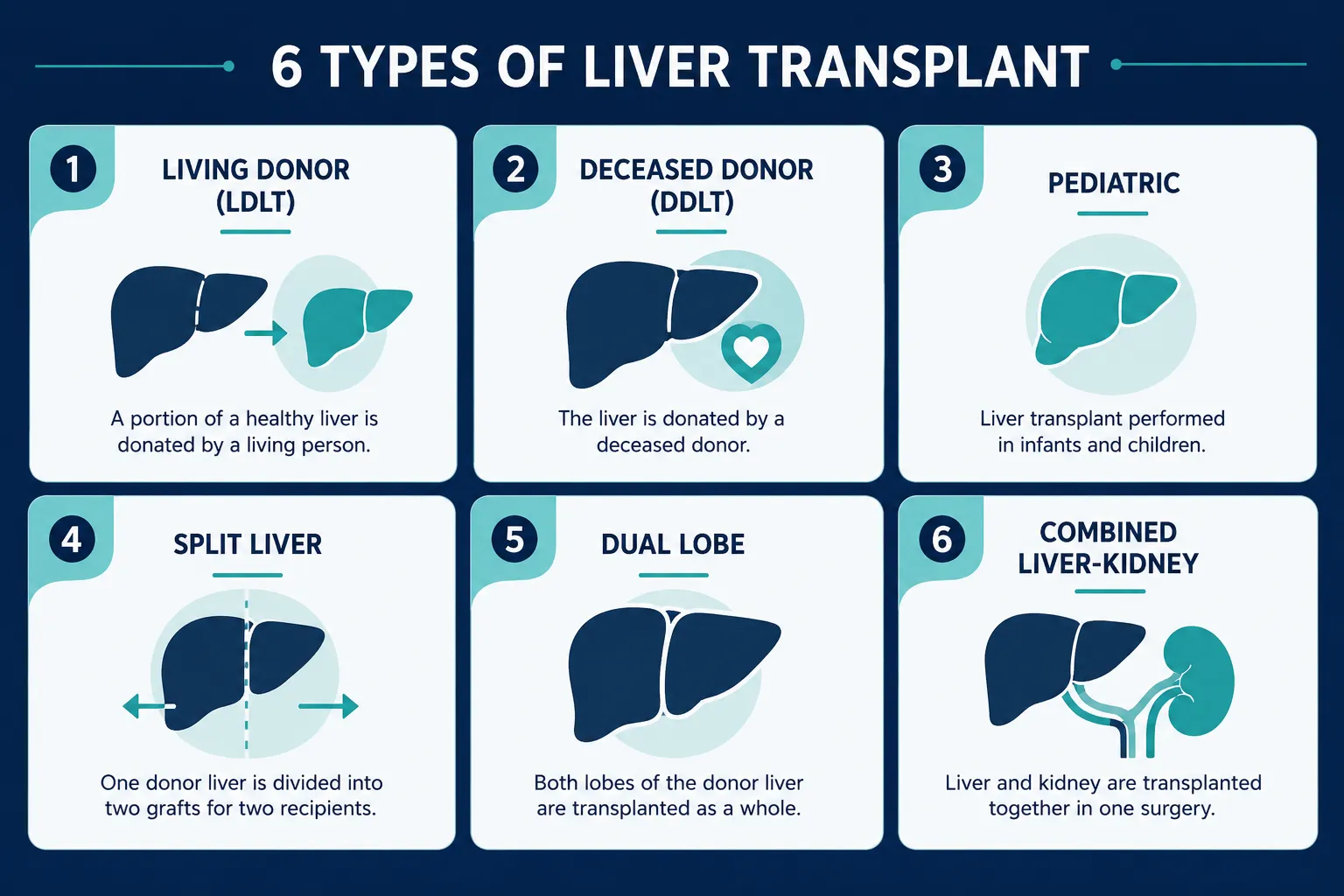
A complete guide to liver transplant eligibility, donor options, surgery and recovery for patients who may not be suitable for liver resection.
Read More
Learn which credentials, surgical experience, case volume and hospital infrastructure matter when choosing a liver transplant surgeon.
Read More