Robotic HPB Surgery in Delhi: Benefits, Eligibility and Recovery Timeline
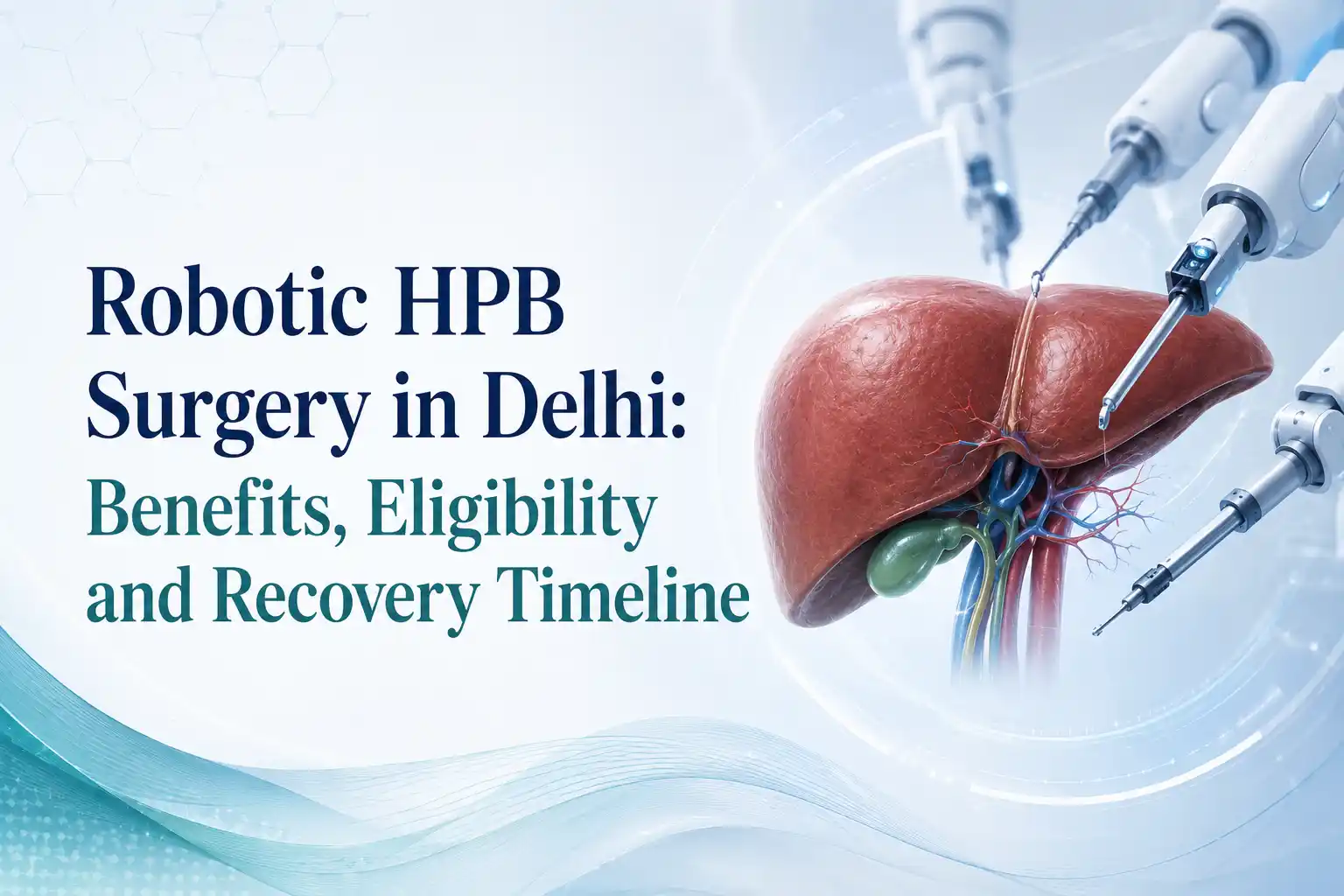
Learn how robotic HPB surgery is used for selected liver, pancreatic and bile duct conditions, including benefits, eligibility and recovery.
Read More
Robotic HPB surgery is a minimally invasive surgical technique in which the surgeon controls a robotic platform to perform highly precise operations on the liver, pancreas and bile ducts. In robotic HPB surgery in Delhi, the surgeon sits at a console with a 4K three-dimensional view of the operative field and controls robotic arms that translate hand movements into microscale surgical actions with no tremor and a far greater range of motion than the human wrist allows.
The platform used at our Delhi centre is the Da Vinci Xi, the most advanced robotic surgical system available for advanced robotic HPB procedures. It is used for complex liver resections, robotic Whipple procedures (pancreaticoduodenectomy), bile duct reconstruction, gallbladder cancer surgery and robotic living donor hepatectomy for liver transplant. For patients facing complex liver, pancreatic or bile duct surgery, the robotic approach means smaller incisions, less blood loss, less pain and a faster return to normal life compared to open surgery in appropriately selected cases.
At Liver Surgeons , all robotic HPB procedures are performed by Dr. Ashish George , a specialist liver transplant and HPB surgeon with 18 or more years of experience, who has performed 400 or more robotic HPB procedures at Fortis Hospital, Shalimar Bagh, Delhi. He is also a core member of our advanced HPB surgery programme , which covers the full spectrum of HPB conditions, from minimally invasive robotic cases to ultra-complex open ante-situm resections.





Advanced robotic surgery for liver, pancreatic and bile duct conditions
The table below covers every robotic HPB procedure performed at our Delhi centre, the conditions each treats and the recovery advantage over open surgery.
| Robotic HPB Procedure | Cancer or Condition | Robotic Advantage | Recovery vs Open Surgery |
|---|---|---|---|
| Robotic liver resection (hepatectomy) | HCC, liver metastases and benign tumours | 3D magnification near major vessels and tissue-sparing dissection | 2 to 3 weeks vs 6 to 8 weeks |
| Robotic Whipple (pancreaticoduodenectomy) | Pancreatic head cancer, ampullary cancer and distal bile duct cancer | Precision anastomosis and reduced blood loss | 3 to 4 weeks vs 6 to 10 weeks |
| Robotic distal pancreatectomy | Pancreatic body and tail cancer, insulinomas and cysts | Improved spleen preservation rate compared to laparoscopic surgery | 2 to 3 weeks vs 5 to 7 weeks |
| Robotic bile duct reconstruction | Post-cholecystectomy bile duct injury and hilar strictures | Microsuturing precision and real-time ICG bile leak assessment | 2 to 3 weeks vs 4 to 6 weeks |
| Robotic gallbladder cancer surgery | Gallbladder carcinoma, including T2 and above | Radical cholecystectomy with lymph node dissection and minimal adjacent organ trauma | 2 to 3 weeks vs 4 to 6 weeks |
| Robotic cholangiocarcinoma resection | Intrahepatic and selected perihilar cholangiocarcinoma | Extended hepatectomy with precise hilar dissection | 3 to 4 weeks vs 6 to 8 weeks |
| Robotic living donor hepatectomy | Living donor right or left lobe harvest for liver transplant | Smaller donor scar, faster donor recovery and full 3D visualisation of biliary and vascular anatomy | 2 to 3 weeks vs 4 to 6 weeks |
Robotic liver surgery at our Delhi centre covers resection of liver tumours, excision of liver cysts and right or left lobe donor hepatectomy for liver transplant. The Da Vinci Xi system is particularly valuable for liver surgery near major hepatic veins and the confluence of the right and left bile ducts.
Its three-dimensional magnified view and wristed instruments allow precise dissection in areas that may be difficult to reach using standard laparoscopic instruments.
The robotic approach is used only when it provides a genuine clinical benefit. For very large tumours, tumours requiring vascular reconstruction or tumours unsuitable for minimally invasive resection, our team may perform an ante-situm liver resection as an open procedure.
The Whipple procedure is one of the most technically complex operations performed in HPB surgery. It involves removing the head of the pancreas, part of the small intestine, the gallbladder and the bile duct, followed by reconstruction of the digestive tract with three separate anastomoses.
A robotic Whipple procedure in Delhi at our centre uses the Da Vinci Xi system to perform this reconstruction with precise suturing. In appropriately selected patients, this may help reduce blood loss and lower the risk of anastomotic complications.
Bile duct injury after cholecystectomy and biliary strictures from other causes require meticulous microsurgical reconstruction. The robotic platform's precise suturing capability makes it particularly suitable for hepaticojejunostomy and bile duct injury repair in Delhi.
ICG Firefly fluorescence imaging is used during surgery to assess bile duct integrity in real time and reduce the risk of missed bile leaks. Our Delhi team also uses robotic surgery for choledochal cyst excision and selected hilar reconstructions.
Searches for robotic liver transplant often refer to two different procedures. It is important to understand the distinction between them.
Donor surgery in a living donor liver transplant involves removing part of a healthy relative's liver. At our Delhi centre, this donor hepatectomy can be performed robotically using the Da Vinci Xi system.
This approach gives the donor a smaller surgical scar, less post-operative pain and a faster return to normal activity compared with open donor surgery, without compromising graft quality.
Fully robotic liver implantation, where the robotic system is used for the recipient's hepatectomy and graft implantation, is still in early development globally. Only a small number of high-volume research centres have reported pilot cases.
At our Delhi centre, recipient implantation is performed through open surgery, which remains the globally recognised standard of care. We continue to review emerging evidence and will adopt fully robotic implantation when it becomes validated at scale.
The Da Vinci Xi is the current-generation robotic surgical system. Its capabilities for HPB surgery include:
Indocyanine green fluorescence, marketed as Firefly on the Da Vinci system, provides real-time visualisation of bile ducts and blood vessels through a near-infrared overlay during surgery.
At our Delhi centre, it is routinely used during robotic bile duct reconstruction and robotic liver resection to confirm biliary integrity before completing the procedure.
The operative field is displayed at ten to fifteen times magnification in full 4K three-dimensional colour. This allows the surgeon to identify small biliary structures, blood vessels, anatomical variations and tumour margins with exceptional clarity.
The hybrid operating theatres at Fortis Hospital, Shalimar Bagh, support intraoperative fluoroscopy and CT imaging alongside robotic surgery. This enables real-time vascular and biliary imaging during complex procedures without moving the patient.
The right surgical approach depends on your condition, tumour location, vascular involvement and overall health.
| Factor | Robotic HPB Surgery | Laparoscopic Surgery | Open Surgery |
|---|---|---|---|
| Visualisation | 4K 3D magnified view with wristed instruments | 2D or 3D view with standard instruments | Direct vision with unrestricted movement |
| Blood loss | Lowest in most appropriately selected HPB cases | Low to moderate | Moderate to higher |
| Hospital stay | Shortest in appropriately selected cases | Short | Longest |
| Scar size | Small robotic port-site scars | Small laparoscopic port-site scars | Larger abdominal incision |
| Best suited for | Complex HPB surgery near major vessels, bile duct reconstruction and living donor hepatectomy | Straightforward resections and cholecystectomy | Ultra-complex tumours requiring vascular reconstruction or ante-situm surgery |
Choosing the right robotic HPB hospital in Delhi and robotic HPB specialist in Delhi is one of the most important decisions in robotic HPB surgery. The robotic platform is only as effective as the surgeon controlling it.
Dr. Ashish George is one of Delhi's experienced robotic HPB surgeons, with 400 or more robotic HPB procedures performed at Fortis Hospital, Shalimar Bagh.
His programme covers robotic liver resection, robotic Whipple procedures, robotic bile duct reconstruction and robotic living donor hepatectomy. The same team also performs complex open HPB procedures and liver transplantation, ensuring continuity of care if the planned surgical approach changes.
For additional guidance, read our article on how to find the best liver transplant surgeon in Delhi .
The following indicative outcomes are consistent with published high-volume international robotic HPB data and reflect our programme's results:
Our team assesses every patient's suitability for robotic HPB surgery based on the following clinical factors:
Final eligibility is determined after reviewing medical history, imaging, liver function, tumour characteristics and overall health at our multidisciplinary tumour board.
Whether you need a robotic liver resection, a robotic Whipple procedure, bile duct reconstruction or a second opinion on your surgical options, our Delhi robotic HPB team is ready to review your case. Book a consultation with Dr. Ashish George at Fortis Hospital, Shalimar Bagh .
Robotic HPB surgery uses a surgeon-controlled robotic platform (Da Vinci Xi at our Delhi centre) to perform minimally invasive operations on the liver, pancreas and bile ducts. It offers 4K three-dimensional visualisation, wristed instruments with seven degrees of freedom and tremor filtration, allowing complex operations with smaller incisions, less blood loss and faster recovery than open surgery in appropriately selected patients.
Yes, at a high-volume specialist centre. At our Delhi centre, Dr. Ashish George has performed 400 or more robotic HPB procedures. Complication rates in well-selected robotic liver and pancreatic surgery are below five percent at experienced centres. The key is case selection: not every HPB patient is suitable for robotic surgery, and our team converts to open surgery without hesitation when patient safety requires it.
Look for a surgeon with specific robotic HPB case volume (robotic Whipple and robotic liver resection specifically), full HPB subspecialty training and access to the full HPB spectrum, including open surgery and liver transplant. At Liver Surgeons, Dr. Ashish George is one of Delhi's most experienced robotic HPB doctors, with 400 or more robotic HPB procedures performed at Fortis Hospital, Shalimar Bagh.
The best robotic HPB hospital in Delhi has the current-generation Da Vinci Xi platform (not an older system), a high volume of specific robotic HPB cases including Whipple and liver resection, ICG fluorescence imaging capability and a combined robotic and open HPB programme. Fortis Hospital, Shalimar Bagh, where Dr. Ashish George practices, meets all these criteria.
Robotic living donor hepatectomy (the donor surgery in a living donor liver transplant) is performed at our Delhi centre using the Da Vinci Xi system. This is an established technique that gives donors a smaller scar and faster recovery. Fully robotic liver implantation for the recipient is still experimental globally and is not currently standard of care at our centre or internationally. See our living donor liver transplant page for more detail.
The robotic Whipple (pancreaticoduodenectomy) is a robotic-assisted version of the most complex routine HPB operation, in which the head of the pancreas, part of the small intestine, the bile duct and the gallbladder are removed and the digestive tract reconstructed. The robotic approach allows finer anastomosis suturing, reduced blood loss and typically shorter hospital stays compared to open Whipple in selected patients.
Recovery varies by procedure. Robotic Whipple: typically three to four weeks before return to light activity (vs six to ten weeks for open). Robotic liver resection: two to three weeks (vs six to eight weeks for open). Robotic living donor hepatectomy: three to four weeks for the donor (vs five to six weeks for open donor surgery). Individual recovery depends on overall health and the complexity of the case.
Yes, and we strongly encourage it. Our team at Fortis Hospital, Shalimar Bagh offers second opinions on operability and surgical approach for any liver, pancreatic or bile duct condition. A second opinion from a specialist robotic HPB surgeon in Delhi costs nothing and sometimes changes the treatment plan significantly. Contact our team to arrange a review.
Expert guidance on robotic HPB surgery, robotic liver resection, minimally invasive surgery, advanced HPB procedures, pre-operative evaluation, liver resection and specialist surgical care.
Learn how robotic HPB surgery is used for selected liver, pancreatic and bile duct conditions, including benefits, eligibility and recovery.
Read More
Compare robotic, laparoscopic and open surgery, including differences in visualisation, precision, incisions, recovery and patient suitability.
Read More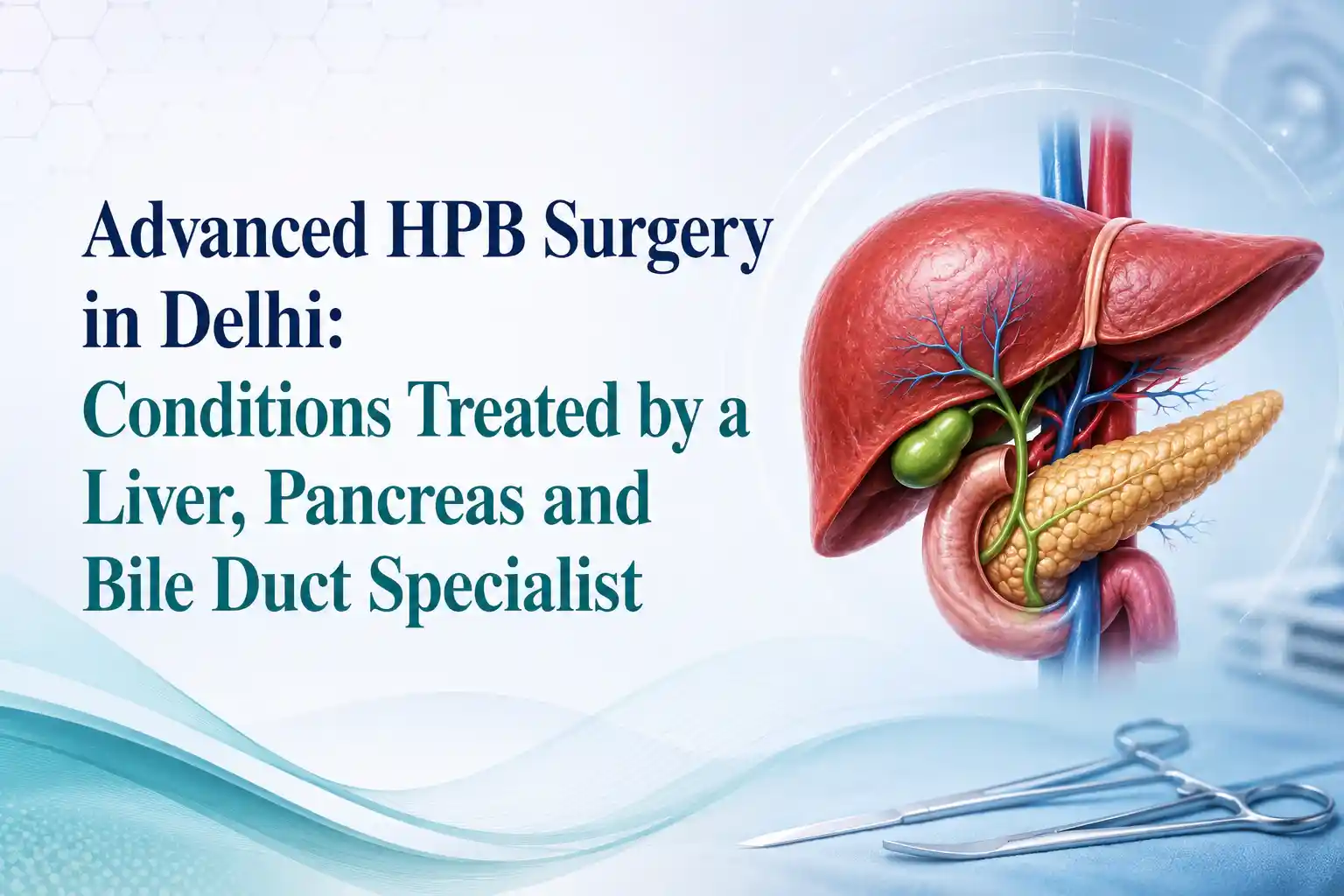
Explore advanced treatment options for complex liver, pancreatic, gallbladder and bile duct conditions requiring specialist HPB surgery.
Read More
Learn about CT, MRI, blood tests, liver function, tumour staging and other assessments used before complex robotic or open HPB surgery.
Read More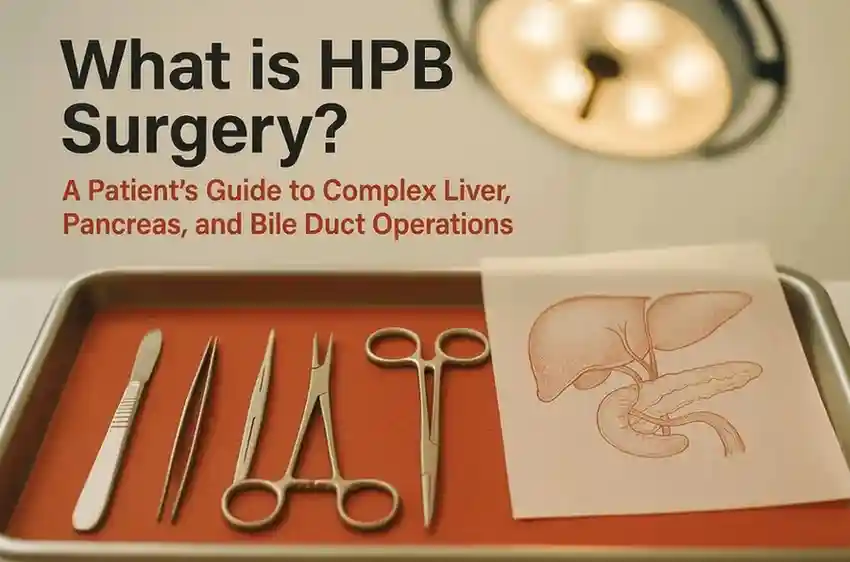
Understand HPB surgery for liver, pancreatic and biliary conditions and how open, laparoscopic and robotic approaches may be selected.
Read More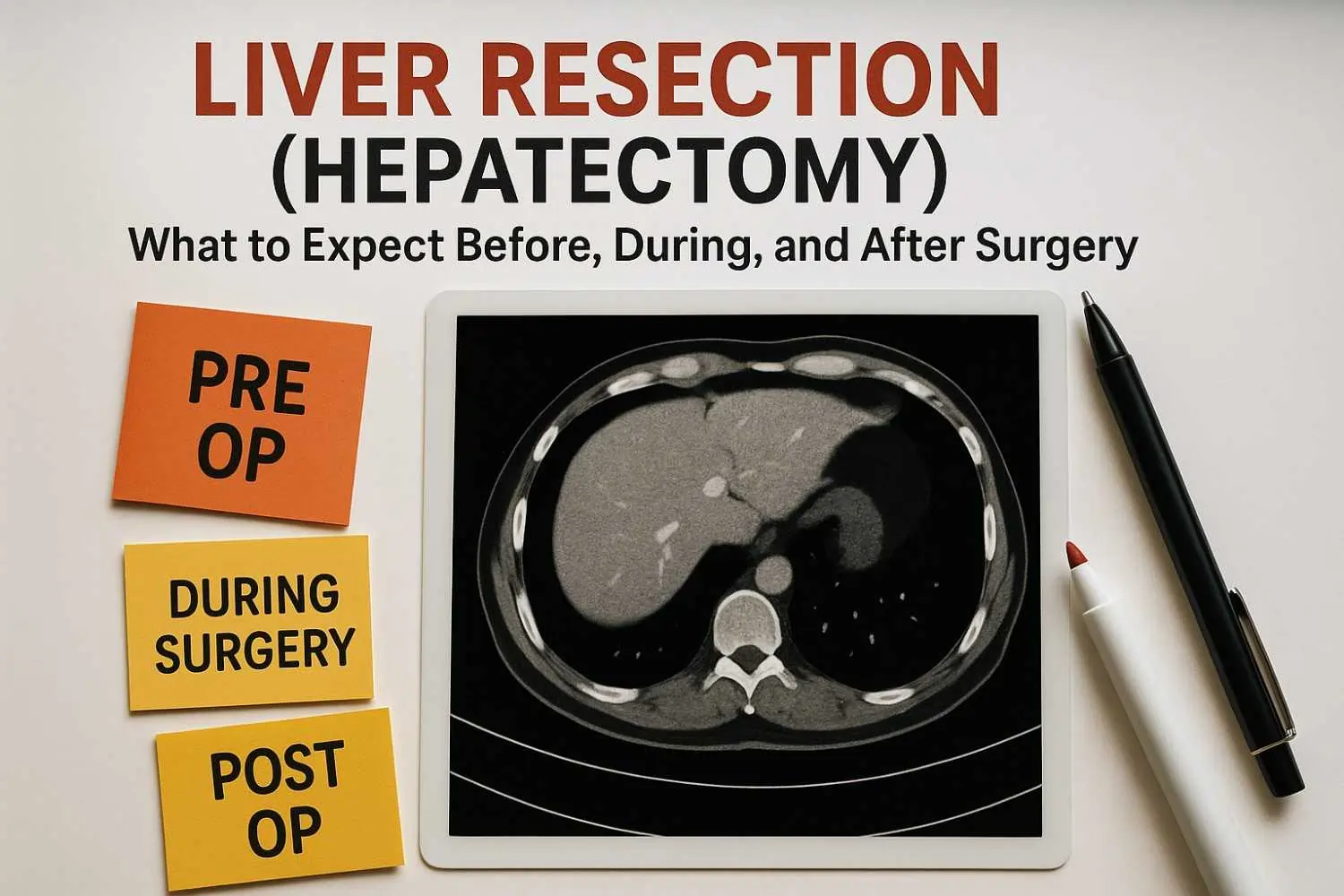
Understand how liver resection is planned, what happens during hepatectomy and what patients can expect throughout recovery.
Read More
Understand when advanced HPB surgery or liver resection may be appropriate and when liver transplantation becomes the better option.
Read More
Learn when liver tumours, pancreatic disease, bile duct obstruction, abnormal imaging or persistent symptoms need specialist HPB review.
Read More