Liver Transplant Rejection: Early Signs, Tests and Treatment
Learn about post-transplant rejection, early warning signs, diagnostic tests, monitoring, immunosuppressive medicines and treatment after liver transplant.
Read More
A deceased donor liver transplant, also called a cadaveric liver transplant, replaces a patient's failing liver with a healthy liver from a brain-dead donor whose family has consented to organ donation. For patients with end-stage liver disease who do not have a suitable living donor, it is often the only path to survival. At Liver Surgeons in Delhi, Dr. Ashish George and his team perform deceased donor liver transplants under the strict national framework set by NOTTO, so that every organ is allocated fairly to the patient who needs it most. Families across Delhi NCR and the rest of India come to us because deceased donor transplantation demands two things at once: an experienced surgical team and a well-run coordination system that can act the moment an organ becomes available.




Both procedures can be life-saving, and the right choice depends on your condition and whether a suitable donor is available in your family.
Uses a liver from a brain-dead donor allocated through NOTTO. It suits patients who have no living donor, or whose family members are not a match.
Read MoreUses a portion of the liver from a healthy relative and can be planned in advance, avoiding the wait for an organ - a viable living donor option.
Read MoreFor some patients, a single deceased donor liver can be divided through a split liver transplant, allowing two recipients, often one adult and one child, to benefit from one donated organ.
Read MoreAdvanced surgical solutions for lasting pain relief and restored mobility
Our deceased donor programme is one of the most active in Delhi NCR, built around ethical, NOTTO-compliant processes and strong post-operative care.
Organ allocation in India is governed by NOTTO (National Organ and Tissue Transplant Organisation). Priority for a deceased donor liver is decided by:
Your MELD score is calculated from bilirubin, INR (blood clotting), creatinine and sodium levels. Our transplant team helps you understand your score, how it affects your liver transplant waiting list in India, and how it is likely to change over time. Scores are reviewed regularly, so your position reflects your current condition.
We calculate your MELD score from your medical reports and complete your NOTTO registration, handling the paperwork on your behalf.
When a donor liver becomes available, NOTTO's allocation system matches it to the most suitable and most urgent patient in the region. The average waiting time at our centre is around 4 to 8 months, depending on your MELD score and blood group.
The transplant is performed by Dr. Ashish George's team and takes roughly 6 to 12 hours. Most patients spend 7 to 10 days in hospital, followed by a recovery period of about three months. You will begin immunosuppressive therapy to prevent rejection, supported by close follow-up.
Patients with combined liver and kidney failure may be evaluated for a combined liver and kidney transplant, and children requiring a deceased donor organ are cared for through our paediatric liver transplant programme.
A deceased donor liver transplant at our centre typically costs in the range of ₹25 to ₹35 lakh, covering surgery, hospital stay and initial post-transplant care. The exact figure depends on your condition, length of stay and any complications. We offer insurance support and EMI options, and our team gives you a clear, itemised estimate before you proceed.
Delhi NCR has one of India's highest levels of deceased donor organ availability, with allocation streamlined through NOTTO's regional coordination.
Round-the-clock organ retrieval teams, certified ICUs for donor maintenance and post-transplant care, and dedicated transplant theatres with modern organ preservation systems.
More than 15 years of experience in complex deceased donor transplants, with specialist teams for both adult and paediatric patients and training from leading international centres.
Early registration and an accurate MELD score can
make all the difference. Speak to our
transplant team about getting listed
and understanding your options.
There is no strict minimum age. Our team has successfully transplanted infants as young as a few months old, with the smallest recipients weighing 5 to 6 kg. What matters is that the child's overall condition is stable enough to tolerate surgery.
Yes, and this is the most common type of pediatric liver transplant we perform. A parent donates the left lateral segment of their liver (about 20 to 25% of the total volume), which is the right size for a child. Both parent and child recover well, and both livers regenerate to normal size.
Biliary atresia is a condition present from birth in which the bile ducts are absent or destroyed. First-line treatment is the Kasai procedure, ideally before 60 days of age. When the Kasai procedure fails to achieve adequate bile drainage, liver transplantation becomes necessary.
Immunosuppressive medicines are needed lifelong to stop the body rejecting the new liver. They are given as daily tablets or liquid, and most families adapt to this quickly. Doses are adjusted over time based on blood levels. Learn more about immunosuppressive therapy.
Look for a team with high pediatric transplant volume, a dedicated pediatric liver ICU, and both living and deceased donor programmes. Dr. Ashish George's team at Fortis Hospital, Shalimar Bagh meets all three, with 100+ pediatric transplants performed.
Cost depends on the type of transplant, the child's condition and the length of hospital stay. India offers world-class pediatric transplant care at a far lower cost than Western centres. Contact us for an estimate tailored to your child.
In the vast majority of cases, yes. Children who receive timely, successful transplants attend school, play sports, socialise normally and reach their full potential. Regular follow-up is required but does not prevent a full, active life.
Expert insights on deceased donor liver transplant, transplant evaluation, waiting lists, rejection, immunosuppressive medicines and donor options to help patients and families understand the transplant journey.
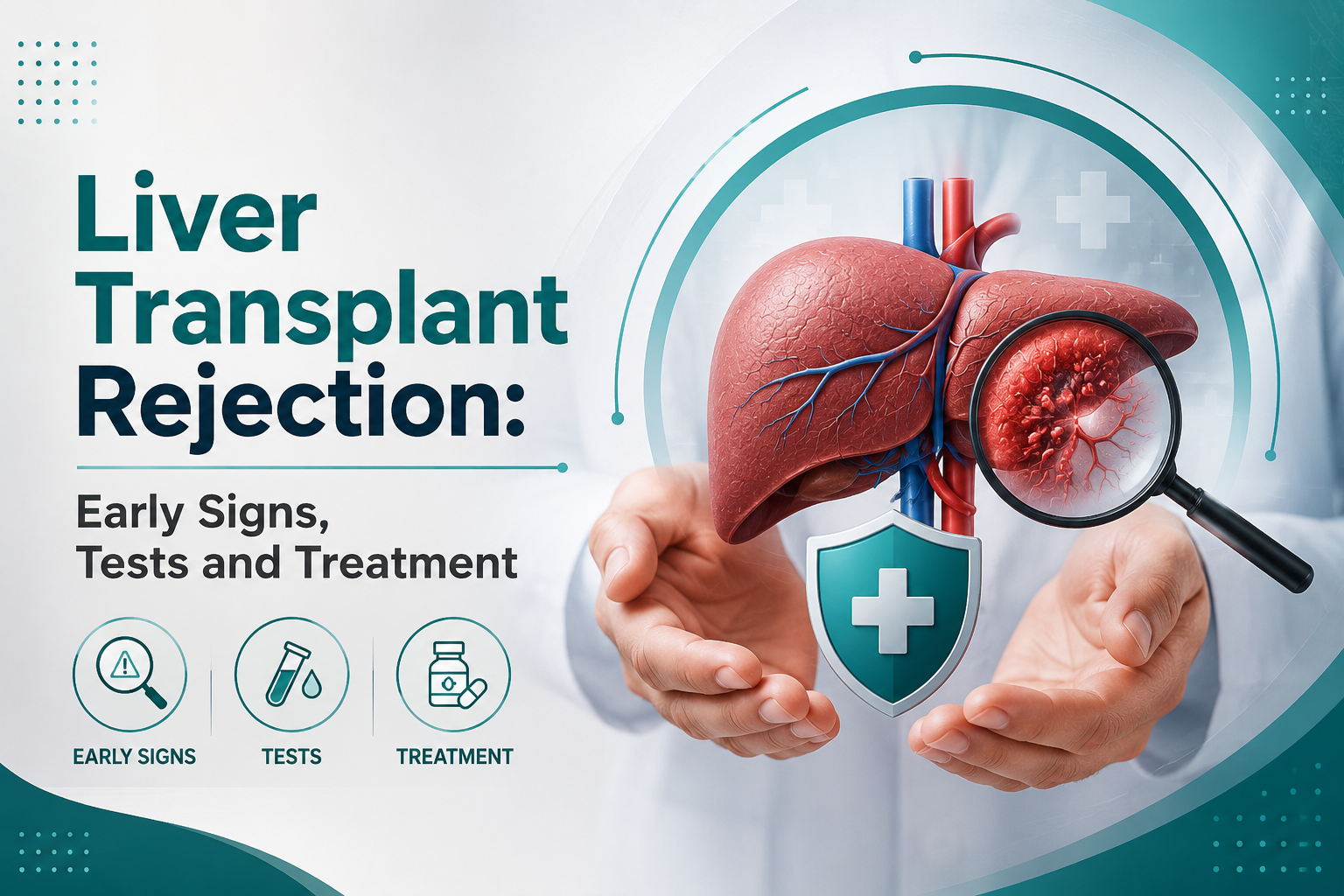
Learn about post-transplant rejection, early warning signs, diagnostic tests, monitoring, immunosuppressive medicines and treatment after liver transplant.
Read More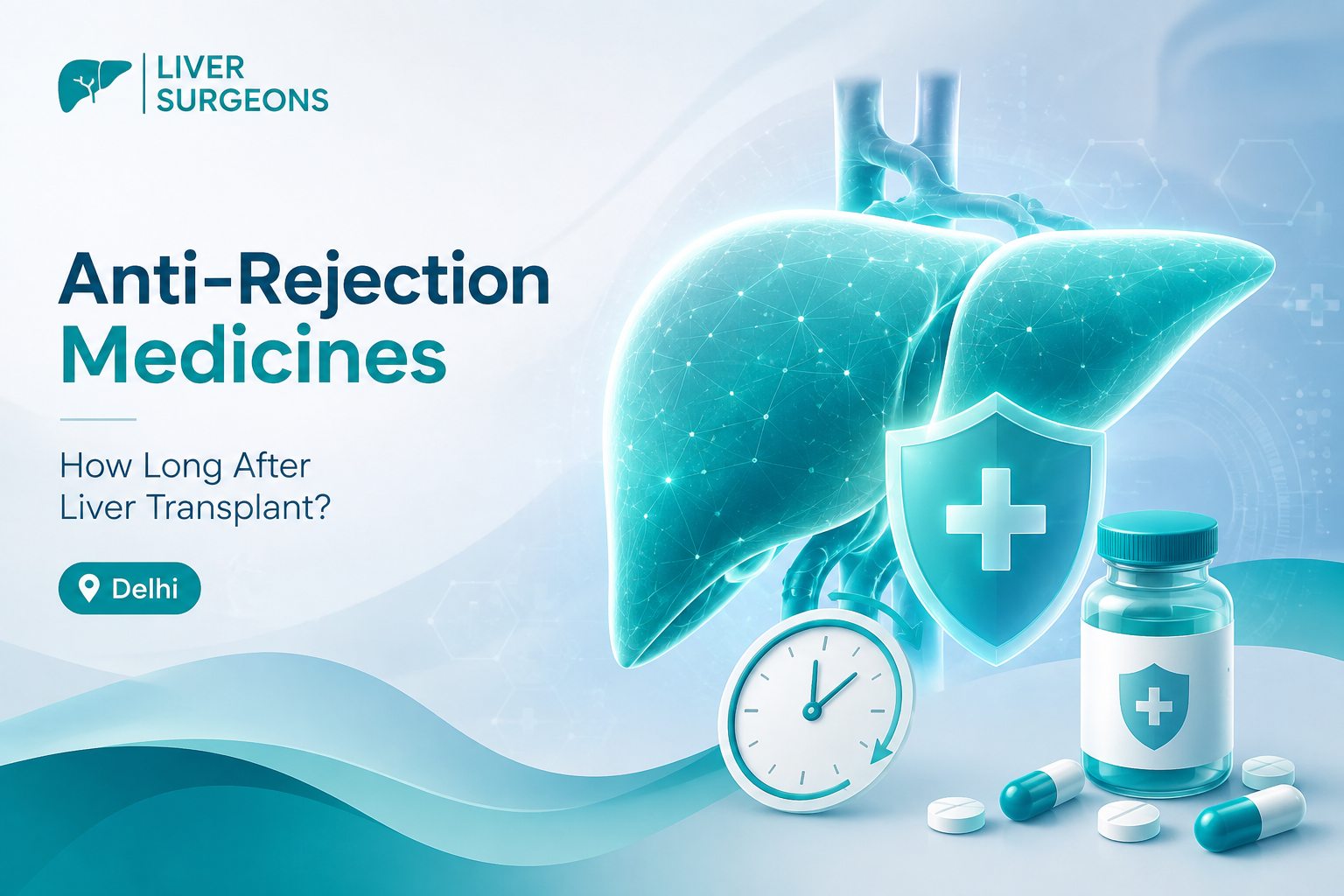
Understand long-term immunosuppressive therapy, anti-rejection medicines, medication monitoring and their role after receiving a donor liver.
Read More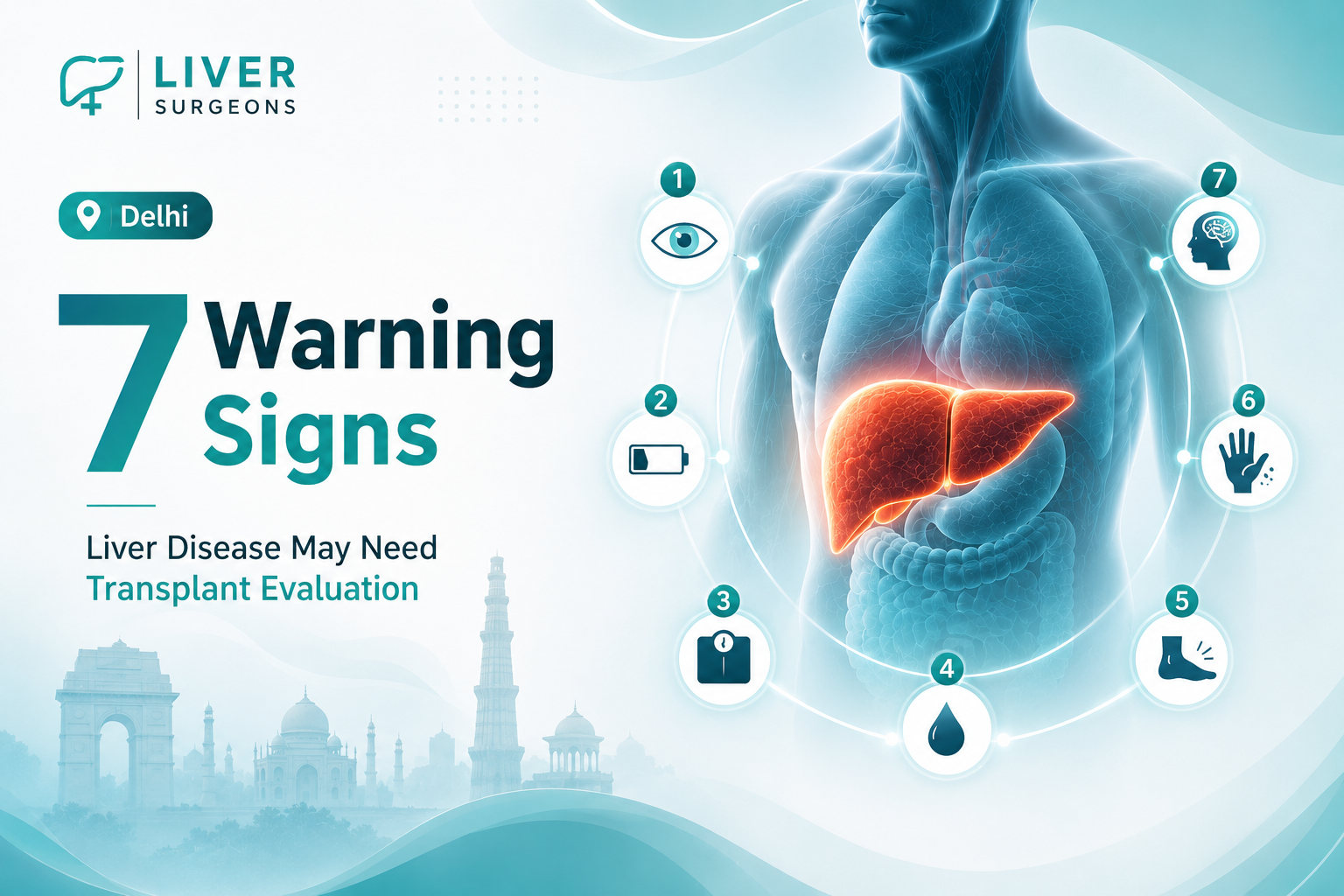
Recognise signs of advanced liver disease, decompensated cirrhosis and worsening liver function that may indicate the need for transplant evaluation.
Read More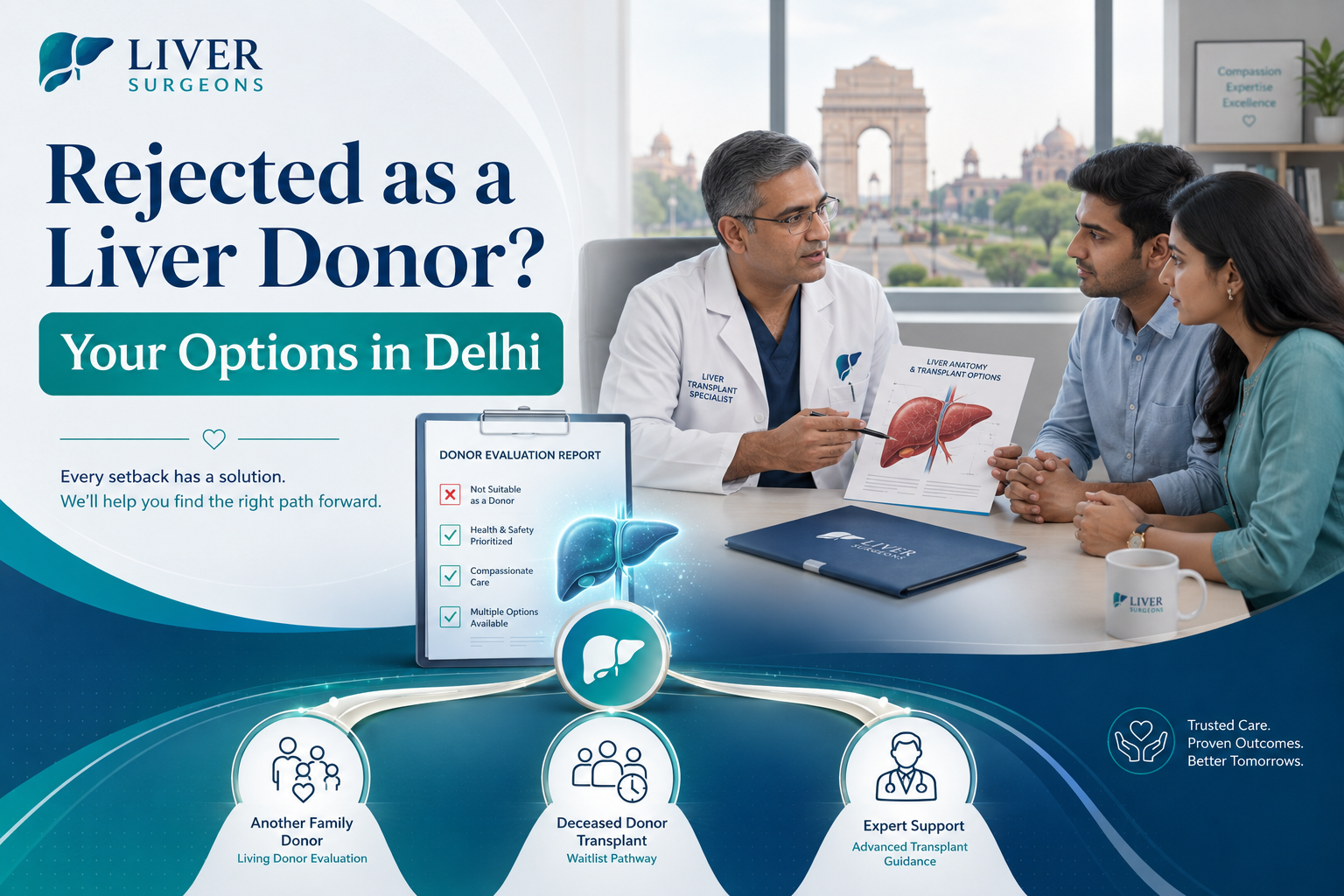
Explore alternative transplant options when a potential living donor is unsuitable, including other donor pathways available to patients and families.
Read More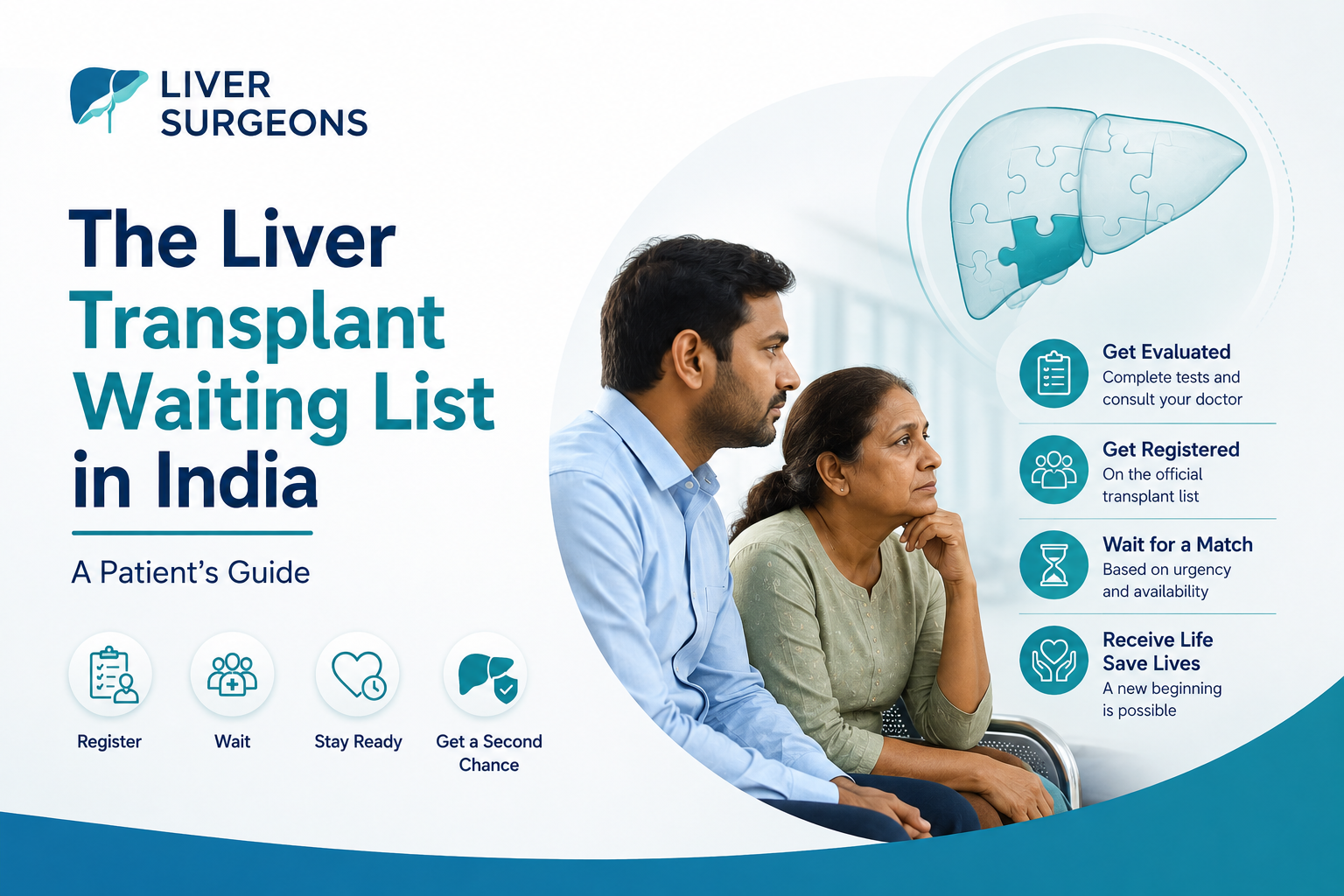
Understand the deceased donor liver transplant waiting list, NOTTO allocation, MELD score, blood-group matching, regional allocation and expected waiting times.
Read More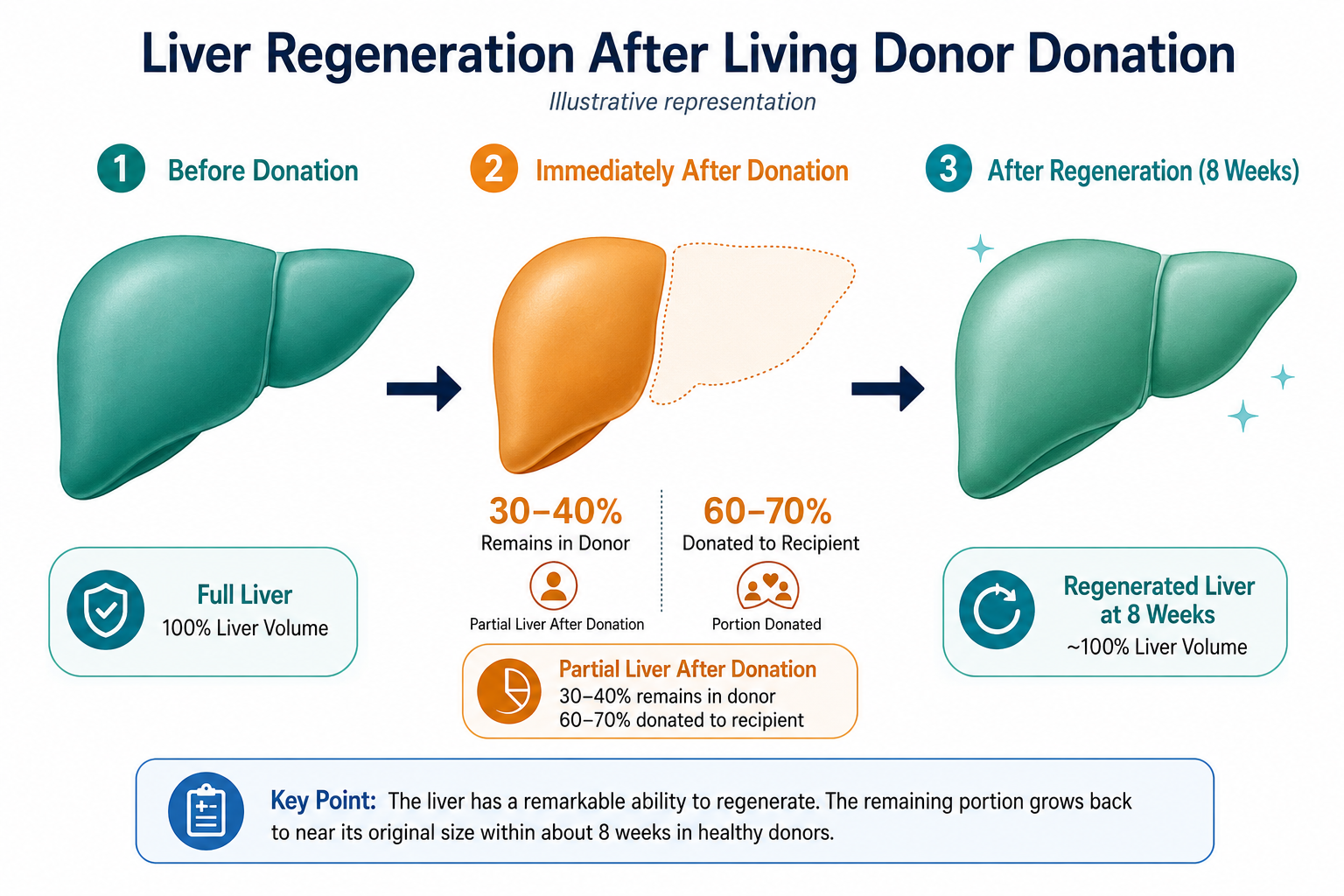
Learn how living donor liver transplant works, including donor evaluation, eligibility, surgery, recovery and how it differs from deceased donor transplant.
Read More