Types of Hepatitis and How They Are Treated
Each type of hepatitis is spread differently and treated differently.
The table below is a simple guide to
hepatitis causes, symptoms and treatment by type.
| Type |
How It Spreads |
Treatment |
| Hepatitis A |
Contaminated food or water
(also called infectious or infective hepatitis)
|
Usually settles on its own; a vaccine prevents it
|
| Hepatitis B |
Blood, body fluids, mother to baby |
Antiviral medicines control it; a vaccine prevents it
|
| Hepatitis C |
Blood (needles, transfusions) |
Curable in most people with a short course of tablets
|
| Hepatitis D |
Only occurs with hepatitis B |
Managed alongside hepatitis B |
| Hepatitis E |
Contaminated water |
Usually settles on its own; important to watch in pregnancy
|
Symptoms of Hepatitis
Many people with hepatitis, especially chronic hepatitis B or C,
have no symptoms for years. When they appear, the common
symptoms of hepatitis and
liver hepatitis symptoms are:
-
Tiredness and weakness
-
Yellowing of the eyes or skin (jaundice),
dark urine, pale stools
-
Nausea, vomiting, and loss of appetite
-
Pain or discomfort in the upper right abdomen
-
Joint aches and mild fever in some cases
Because chronic hepatitis is often silent, many people are
diagnosed only through a blood test. Anyone at risk should
be tested even without symptoms. See our guide on
hepatitis B vs hepatitis C
.
Hepatitis B Treatment in Delhi
Hepatitis B is one of the most important
liver infections in India. The
hepatitis B virus can stay in the body
for life and slowly damage the liver, so
hepatitis B disease needs expert,
long-term management.
The good news is that hepatitis B treatment
is very effective: modern antiviral medicines
(such as tenofovir and entecavir) control the virus,
protect the liver, and greatly reduce the risk of
cirrhosis and liver cancer over time.
For patients searching for
hepatitis B treatment in Delhi,
the key is regular monitoring and the right medicine
for your situation, managed by an experienced team.
Hepatitis B Self-Care and Living With Hepatitis B
Good hepatitis B self-care
supports your treatment and protects your liver:
-
Take your antiviral medicine exactly as prescribed,
and never stop it without advice
-
Avoid alcohol, which speeds up liver damage
-
Keep up with regular monitoring: blood tests
and scans to watch the liver and screen for cancer
-
Get close family members tested and vaccinated
-
Eat a balanced diet and maintain a healthy weight
Hepatitis C Treatment in Delhi
Hepatitis C has been transformed by modern medicine.
With direct-acting antiviral (DAA) tablets,
hepatitis C can be cured in more than 95 percent of people
,
usually with a short course of around 8 to 12 weeks
and few side effects.
For patients seeking
hepatitis C treatment in Delhi,
this means a real cure is now the expected outcome for
most people. Our team confirms the diagnosis, checks the
liver for any existing damage, and prescribes the right
DAA course with monitoring to confirm the cure.
Hepatitis A Treatment
Hepatitis A (and hepatitis E) usually causes a
short-term illness that settles on its own with rest,
fluids and supportive care. There is no specific
antiviral needed for most cases.
The key for hepatitis A treatment is supportive care
and watching for the rare severe case, while a safe
and effective vaccine prevents it altogether.
Hepatitis B, Liver Cancer and When Surgery Is Needed
This is where a liver surgeon becomes important.
Long-standing hepatitis B and hepatitis C
are leading causes of cirrhosis and liver cancer.
While the hepatitis virus itself is treated with medicines,
the complications may need surgery.
Hepatitis B liver cancer treatment
can involve
liver cancer surgery
or, for advanced disease, a
liver transplant
.
This is why the strongest hepatitis care brings together
medical treatment and surgical expertise under one roof,
so that if the liver is ever affected, nothing is missed.
Diagnosis and Monitoring
Accurate testing guides
hepatitis treatment
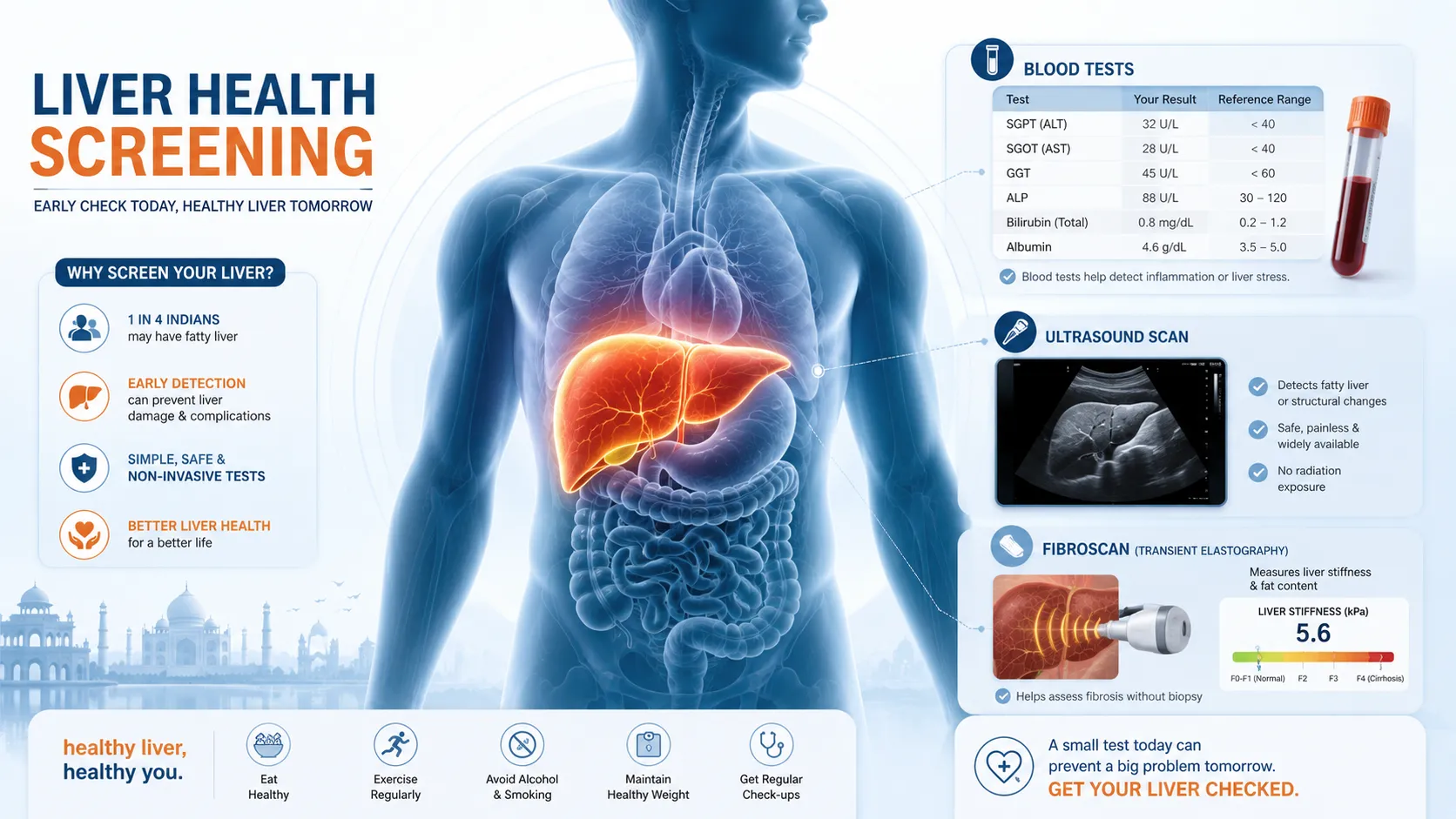
and tracks the liver over time. Our centre uses:
-
Hepatitis B and C blood tests and viral load (PCR):
to confirm infection and measure the virus
-
Liver function tests:
to check for liver inflammation. See
what high SGPT and SGOT mean
.
-
FibroScan and elastography:
a painless scan to check for liver scarring
-
Ultrasound and cancer surveillance:
to catch any liver complication early
Prevention and Vaccination
-
Hepatitis A and B vaccines:
safe and highly effective; recommended for
those at risk and for family members of
hepatitis B patients
-
Preventing mother-to-baby spread:
with the right steps during pregnancy and at birth,
the risk of passing hepatitis B to a baby
is greatly reduced
-
Safe food and water:
prevents hepatitis A and E
-
Avoiding shared needles and unsafe blood:
prevents hepatitis B and C
Why Choose Our Hepatitis Care in Delhi?
When looking for the
best hospital for hepatitis B in Delhi,
the best doctor in Delhi for hepatitis B,
or a doctor for hepatitis B in Delhi,
the things that matter most are:
-
Medical and surgical care together:
antiviral treatment by the hepatology team,
plus a surgeon and transplant programme for complications,
so you are never left between specialists
-
Long-term monitoring:
hepatitis B needs lifelong follow-up and
cancer surveillance, not just a prescription
-
Modern diagnosis:
viral load testing and FibroScan for
accurate assessment
-
A full liver centre:
from hepatitis to cirrhosis, liver cancer and
transplant, all in one place
On the medical side, the hepatology team manages
antiviral treatment and monitoring. On the surgical side,
Dr. Ashish George
is the surgeon in Delhi for
hepatitis-related liver complications, including
liver cancer and transplant.
Together they provide complete
hepatitis liver treatment
at Fortis Hospital, Shalimar Bagh, Delhi.
This is part of our wider
liver and hepatology programme
.
For patients searching for the
best hospital for hepatitis B treatment in Delhi,
this combination is what sets a complete liver centre apart.
Online and Out-of-City Consultation
Patients who cannot travel, or who want a specialist opinion
first, can have their hepatitis reports and viral load results
reviewed in an online consultation, with a clear treatment
plan before any visit. Reports can be reviewed remotely
for patients outside Delhi and abroad.