Liver Cancer Caught Early vs Late: Why Timing Changes Everything
Understand how early detection changes liver cancer treatment options, including tumour ablation, liver resection and other potentially curative treatments.
Read More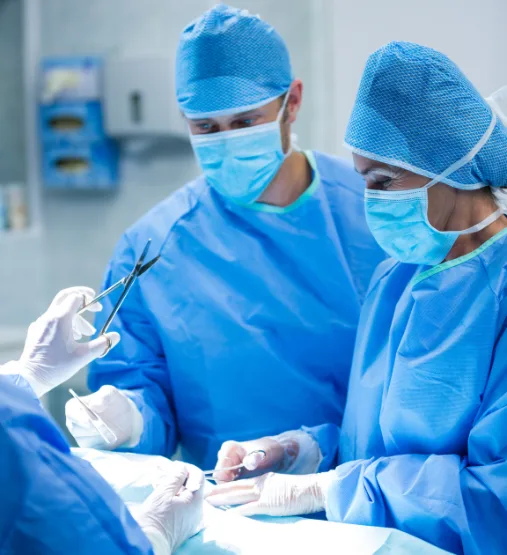
Tumor ablation, often called liver ablation, is a minimally invasive treatment that destroys a liver tumour in place, usually with heat, without open surgery. For small liver cancers it can achieve results similar to surgery, with a faster recovery. As a form of liver ablation surgery without a large incision, it is an excellent option for patients who are not suited to a major operation. The main types we offer:





Minimally invasive radiofrequency, microwave and alcohol ablation, with faster recovery and smaller scars.
A thin needle electrode delivers a high-frequency current that heats the tumour to around 60 to 100 degrees Celsius, destroying it. Radiofrequency ablation of liver tumors is best for small hepatocellular carcinoma (HCC) up to about 3 cm and for superficial tumours. It has low complication rates and is usually a day-care procedure.
Microwave ablation of liver tumors uses microwaves to generate intense, fast heat. It suits larger tumours (up to about 5 cm) or tumours near blood vessels, and gives faster, more uniform heating than RFA.
Alcohol ablation of a liver tumor, also called percutaneous ethanol injection, injects concentrated alcohol directly into the tumour to destroy it. It is useful for small tumours in certain locations, or where heat-based ablation is less suitable.
Real-time ultrasound, CT or MRI guides the needle precisely, so the tumour is destroyed while healthy liver is spared. In selected cases, ablation is done during open surgery (intraoperative or laparotomy tumour ablation), for example alongside another procedure or for tumours that are hard to reach through the skin.
| Aspect | RFA | Microwave Ablation |
|---|---|---|
| Energy source | Electrical current | Microwaves |
| Tumour size | Up to about 3 cm | Up to about 5 cm |
| Heat penetration | Moderate | Deeper and faster |
| Best for | Small HCC, precise lesions | Larger tumours, areas near vessels |
The cost of liver tumor ablation in Delhi depends on the technique, tumour size and number of lesions, imaging used, and hospital stay. The figures below are approximate and are confirmed at consultation:
| Procedure | Approximate Cost (India) |
|---|---|
| RFA / microwave liver ablation (single tumour) | Around Rs 1,00,000 to Rs 2,50,000 |
| Complex or multiple lesions | Higher; quoted after assessment |
Note: These are indicative ranges and must be confirmed against actual hospital pricing before publishing. Your exact cost depends on your case and is explained clearly beforehand. Ablation in India costs far less than the same treatment in Western countries.
Radiofrequency ablation of a liver tumour may be covered under schemes such as CGHS and under many health insurance policies, as it is a recognised cancer treatment, but coverage depends on your eligibility, policy and prior approval. Our team helps with the documentation and pre-authorisation so you know where you stand before treatment.
When looking for a liver ablation doctor, a tumour ablation specialist, or a tumour ablation surgeon in Delhi, these are the things that matter most:
This page is part of our wider diagnostics and supportive care programme. For when ablation is the right choice versus an operation, see liver cancer caught early vs late .
If you or a family member has a liver tumour, an early specialist opinion decides whether ablation, surgery or transplant is best. Book a consultation with Dr. Ashish George at Fortis Hospital, Shalimar Bagh.
Usually 30 to 90 minutes depending on the tumour size and number. Most patients resume normal activities within 1 to 2 days.
For small tumours (generally under 3 cm), ablation can achieve outcomes comparable to surgery in selected patients, with the benefits of a minimally invasive procedure. Your team advises which option suits your case.
It is done under local anaesthesia, sometimes with sedation, so you feel little during the procedure. Mild soreness may last a day or two afterwards.
Hepatocellular carcinoma (HCC), some liver metastases (for example from colorectal cancer), and certain benign tumours. The plan is tailored to your diagnosis.
It may be, as RFA is a recognised cancer treatment covered under many schemes, but coverage depends on your eligibility, policy and prior approval. We help with the paperwork and pre-authorisation.
Yes, and it is often ideal for patients who are not fit for major surgery, including older patients, because it is minimally invasive.
Yes. It can be repeated for new or recurrent tumours, which is an advantage in early-stage liver cancer and in metastatic disease.
Expert guidance on liver cancer, hepatocellular carcinoma, tumour ablation, liver resection, minimally invasive treatment, pre-treatment evaluation and advanced HPB care.
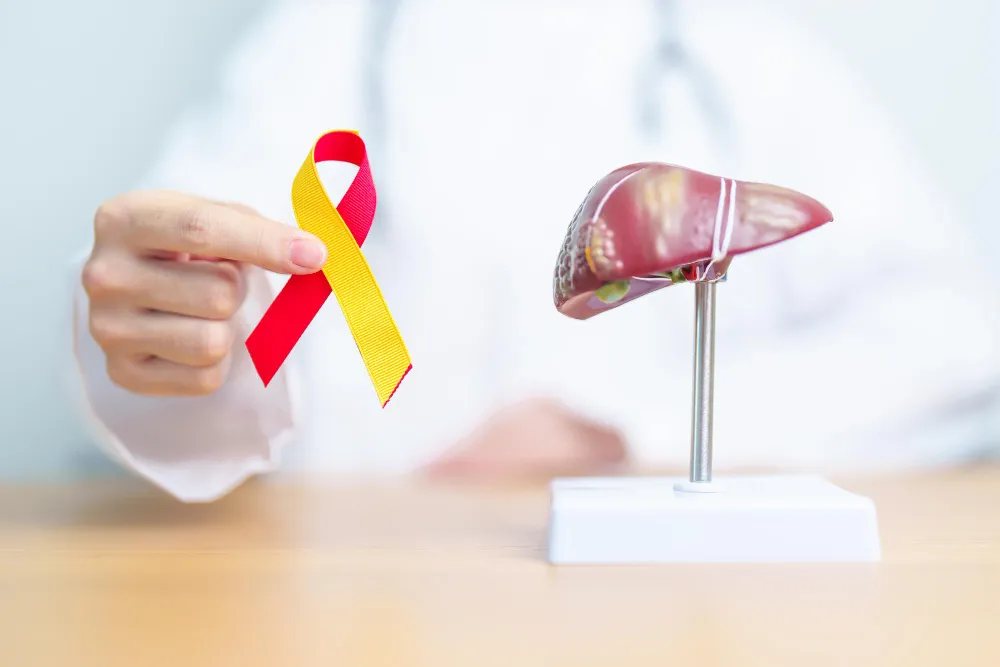
Understand how early detection changes liver cancer treatment options, including tumour ablation, liver resection and other potentially curative treatments.
Read More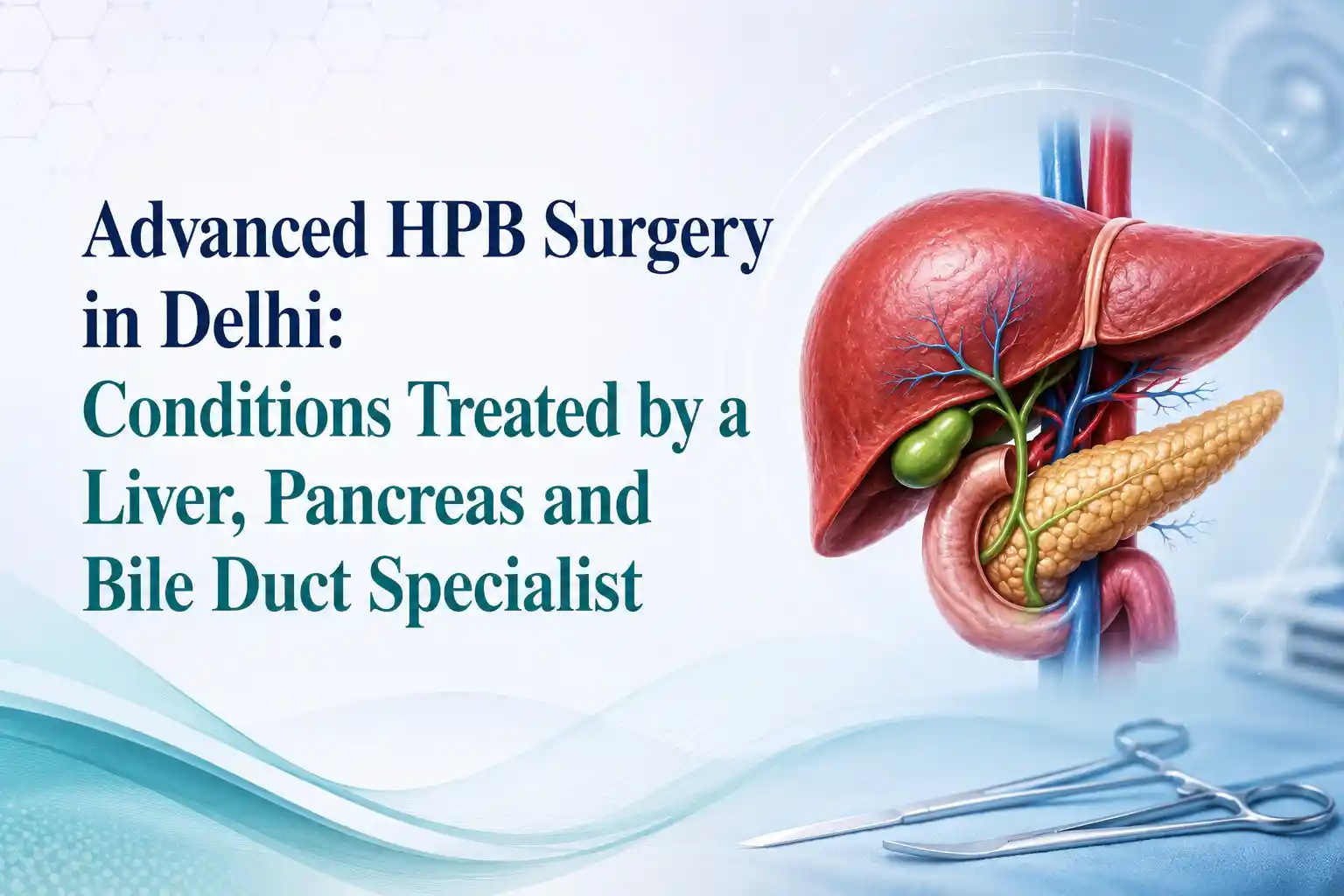
Explore treatment options for liver cancer, complex liver tumours and other HPB conditions, including ablation and advanced surgical procedures.
Read More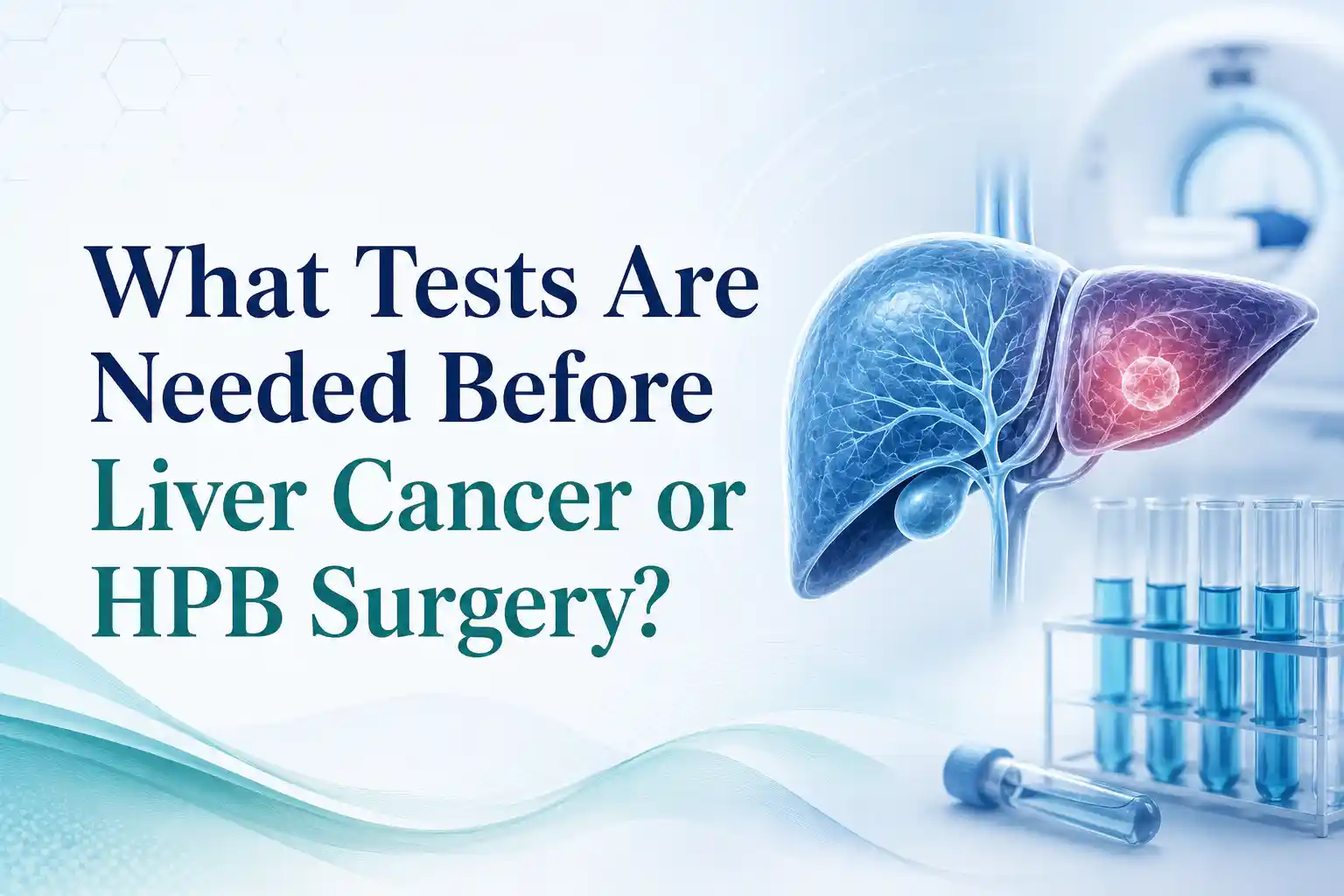
Learn how CT, MRI, liver function tests, biopsy and other investigations help determine the safest treatment for a liver tumour.
Read More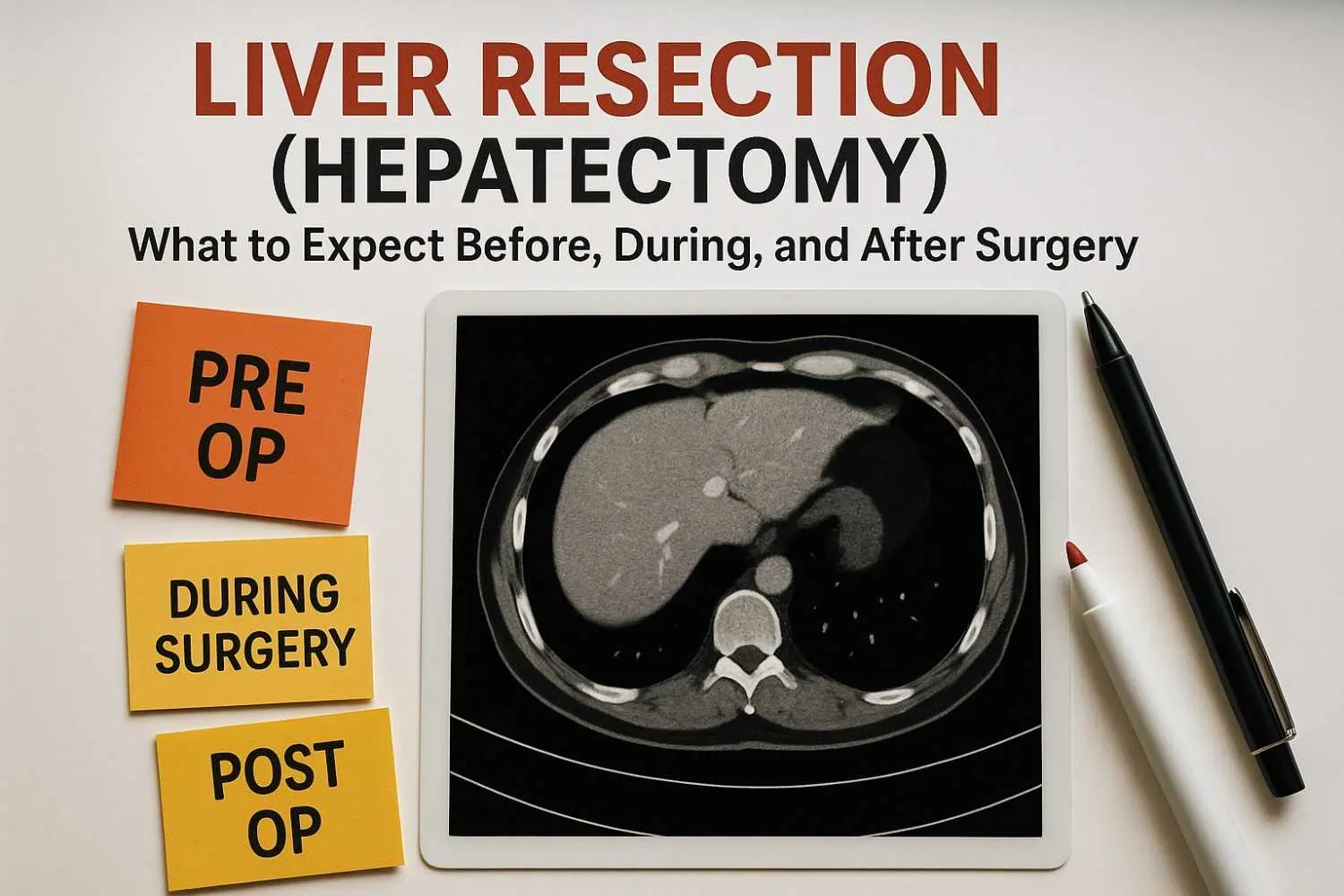
Understand liver resection, who may need hepatectomy and how surgery compares with less invasive treatments for selected liver tumours.
Read More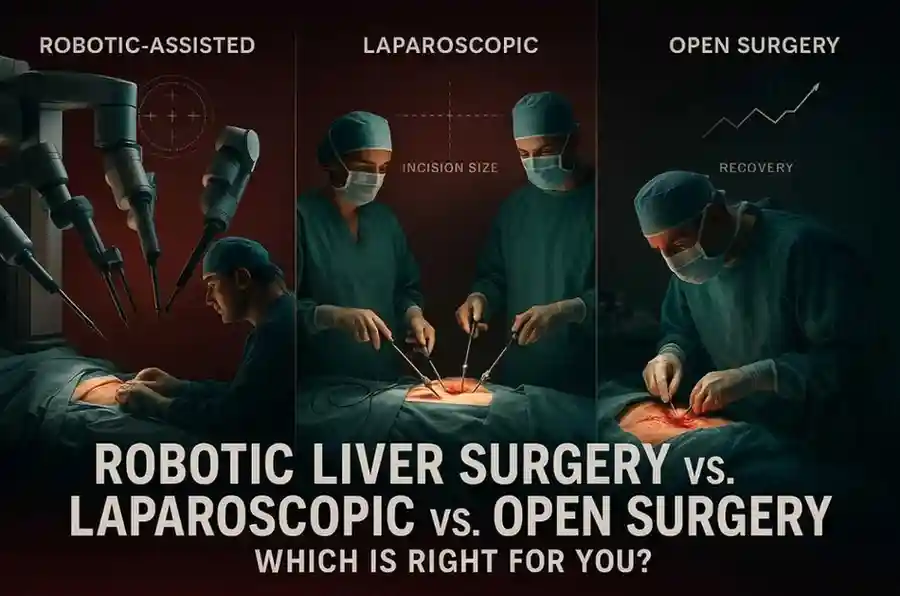
Compare robotic, laparoscopic and open liver surgery and understand how minimally invasive approaches differ in recovery and suitability.
Read More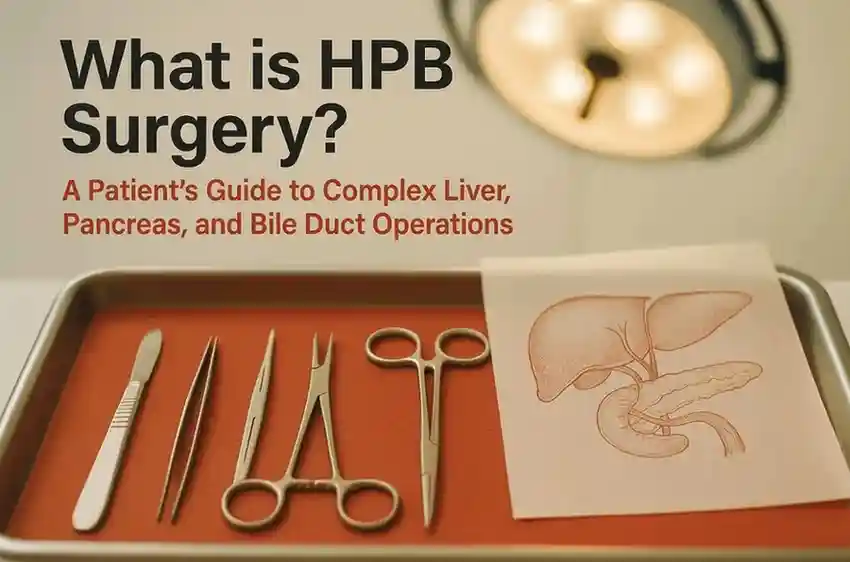
Understand HPB treatment for complex liver conditions and how specialists select between ablation, resection and other procedures.
Read More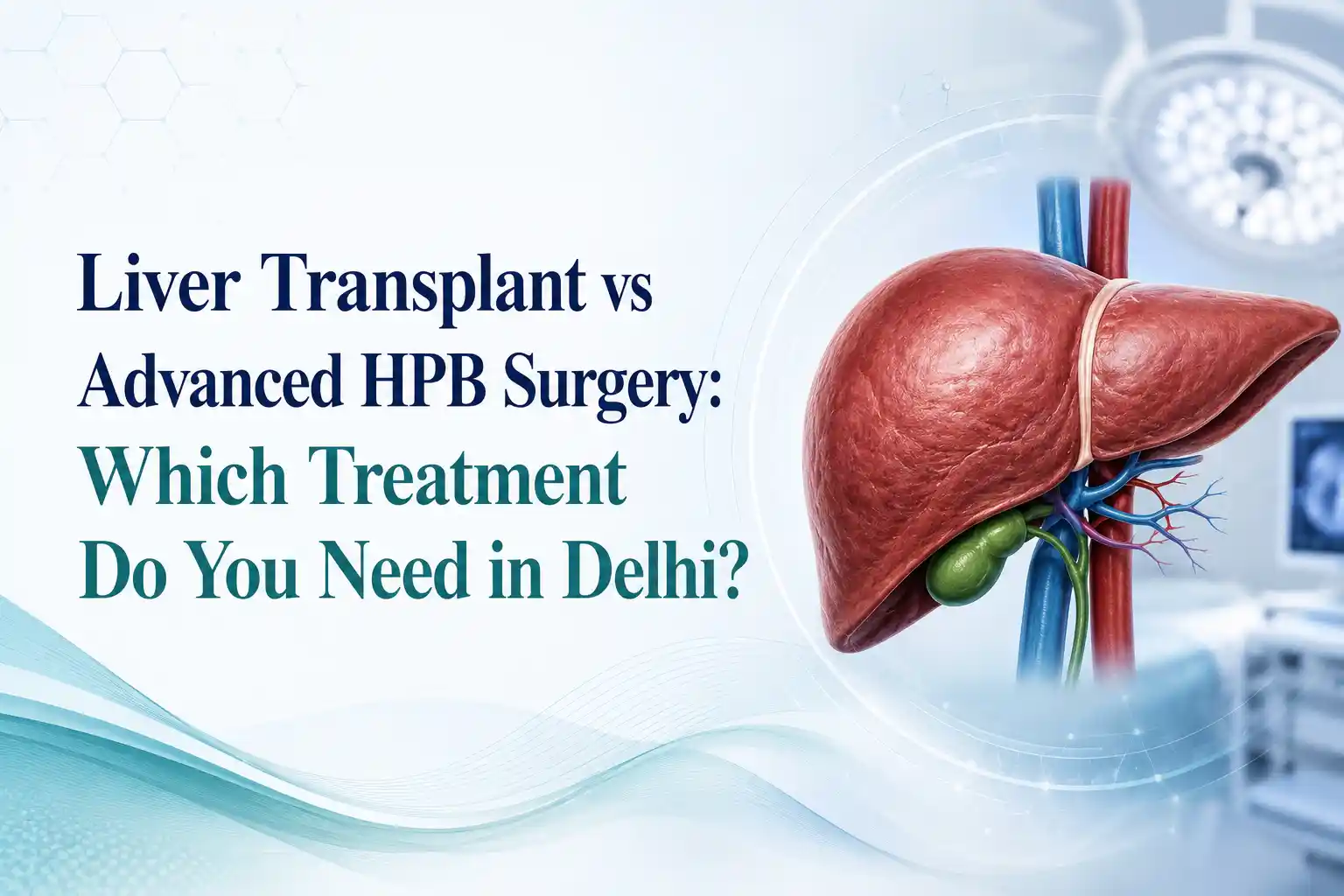
Understand how tumour burden, liver function and underlying cirrhosis influence the choice between HPB treatment and liver transplantation.
Read More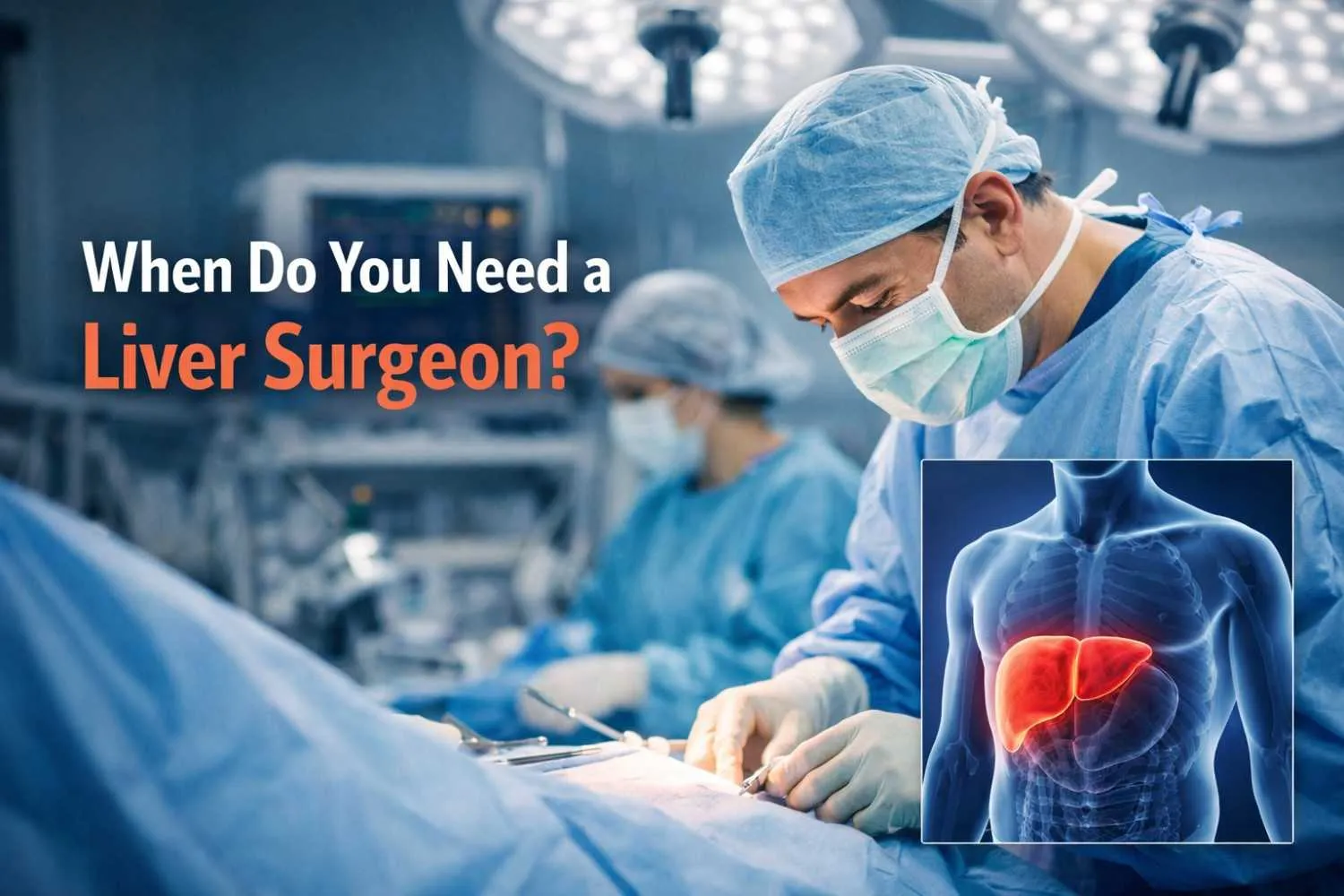
Learn when a newly detected liver tumour, suspicious imaging or other liver abnormalities require specialist assessment and treatment planning.
Read More