Child Liver Transplant Recovery: What to Expect During the First 90 Days
.webp)
Principal Consultant & Unit Head, Liver Transplant & HPB Surgery, Fortis Hospital, Shalimar Bagh, Delhi
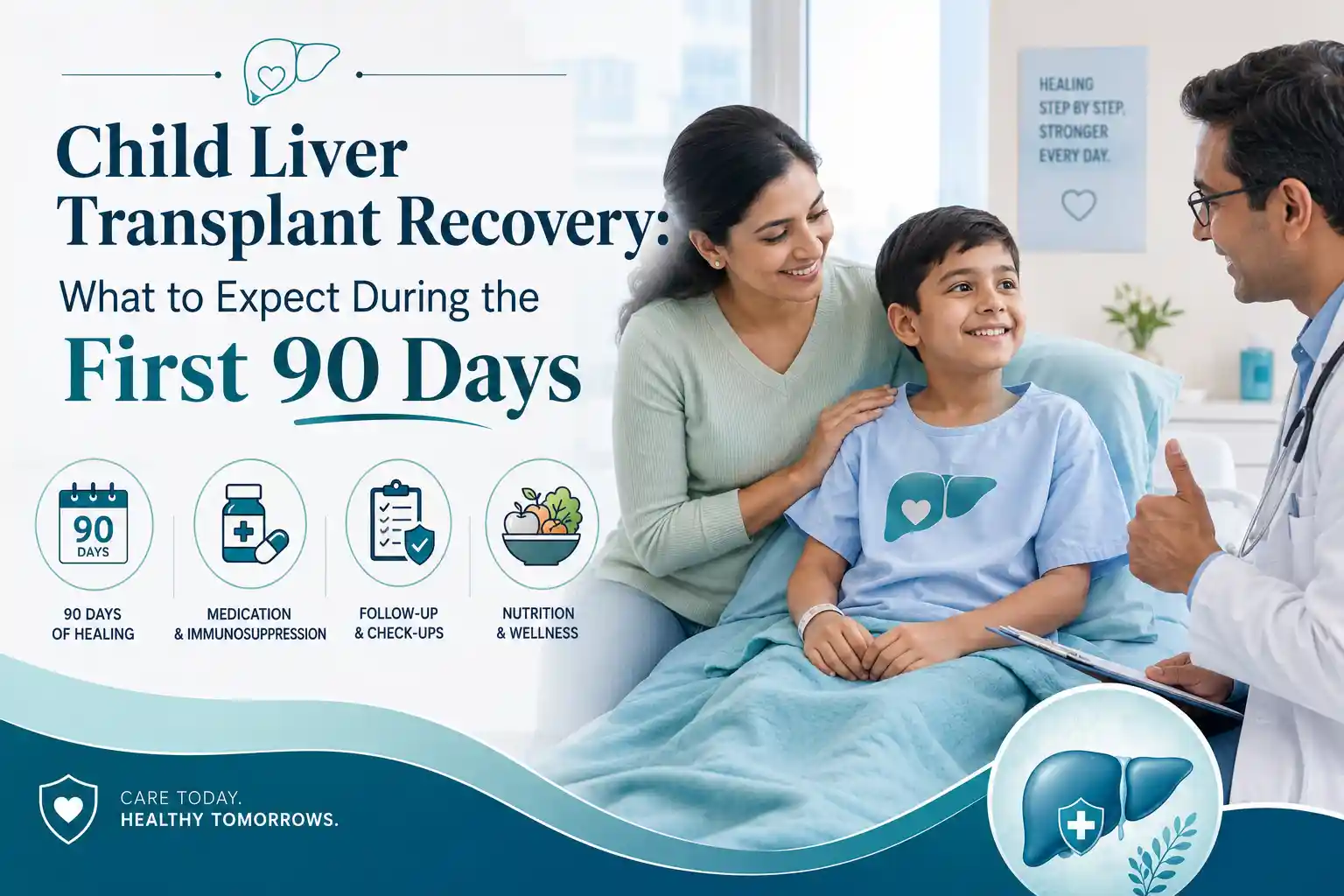
A liver transplant can give a child with severe liver disease the opportunity to grow, return to school and enjoy a more active life. However, surgery is only the beginning. The first three months of child liver transplant recovery require close monitoring, accurate medication management, safe nutrition and strong caregiver support.
Parents often want to know how long their child will stay in hospital, what they can eat, how rejection is detected and when normal activities can restart. Every child recovers differently, but understanding the usual liver transplant recovery process can make this period easier to manage.
This guide explains what families may expect during the first 90 days. Always follow the personalized plan provided by your child's pediatric hepatologist and transplant surgeon.
Why Are the First 90 Days Important?
The first 90 days are one of the most closely monitored stages of liver transplant recovery. During this period, the transplant team checks whether:
- The transplanted liver is functioning properly
- Blood flow and bile drainage are normal
- The surgical wound is healing
- Anti-rejection medicine levels are appropriate
- Infection or rejection is developing
- The child is eating and regaining strength
The immune system naturally recognises the transplanted liver as foreign. Immunosuppressive medicines reduce this response and must be taken exactly as prescribed.
Rejection may not always cause visible symptoms. Blood tests and follow-up appointments are therefore essential even when the child appears well.
Child Liver Transplant Recovery Process: First 90 Days
Recovery depends on the child's age, diagnosis, nutritional condition, donor type and any complications before or after surgery. The following timeline is a general guide.
Days 1 to 7: Intensive Monitoring
After surgery, the child is usually transferred to a paediatric intensive care unit or specialised transplant ICU.
The team monitors:
- Heart rate, blood pressure and oxygen
- Liver and kidney function
- Urine output
- Blood clotting
- Fluid and electrolyte levels
- Signs of bleeding, infection or rejection
The child may have a breathing tube, intravenous lines, abdominal drains and a urinary catheter. These are temporary and are removed gradually.
Ultrasound or Doppler scans may be performed to check blood flow through the transplanted liver. Anti-rejection medicines are also started during this stage.
Parents can help by speaking calmly, following ICU hygiene rules and asking the medical team before offering food, water or medicine.
Days 8 to 14: Moving to the Transplant Ward
Once the child is stable and the new liver is functioning satisfactorily, they may be moved to a transplant ward.
Recovery goals may include:
- Taking medicines by mouth
- Starting or increasing feeding
- Sitting, standing and walking
- Managing pain with oral medicines
- Removing unnecessary tubes
- Preparing for discharge
Some school-age children may leave the hospital within one to two weeks. Infants or children with complications may require a longer stay.
Preparing for Discharge
Before going home, caregivers should understand:
- The purpose, dose and timing of every medicine
- What to do if a dose is missed
- What to do if the child vomits
- How to check the wound
- Which foods should be avoided
- Which symptoms require urgent attention
- When blood tests and appointments are due
Ask for a written discharge plan and maintain an updated medicine chart.
Days 15 to 30: Recovery at Home
Returning home is an important milestone, but the child may still tire easily, sleep more and need help with daily activities.
The priorities during this stage are medication adherence, infection prevention, safe food and regular communication with the transplant team.
Give Medicines Exactly as Prescribed
Anti-rejection medicines protect the transplanted liver. Missing, delaying or changing doses can increase the risk of complications.
Parents should:
- Set alarms for every dose
- Measure liquid medicines carefully
- Refill prescriptions before they run out
- Report missed doses, vomiting or diarrhoea
- Never change a medicine without medical advice
Do not give supplements, herbal products, home remedies or over-the-counter medicines unless the transplant team approves them. Some products can interfere with immunosuppressive medicines.
Reduce Infection Exposure
Immunosuppressive medicines make the child more vulnerable to infection. Parents should wash hands frequently, avoid contact with unwell visitors, keep the wound clean, use safe drinking water and follow food hygiene instructions.
The home does not need to be completely sterile. The goal is to reduce avoidable exposure while helping the child recover in a comfortable environment.
Days 31 to 60: Building Strength and Routine
During the second month, many children show better energy, appetite and sleep. They may begin walking more, participating in quiet play and completing simple daily tasks.
Follow-up may include:
- Liver function tests
- Complete blood count
- Kidney function tests
- Immunosuppressant drug levels
- Blood pressure checks
- Weight and height monitoring
- Ultrasound when required
Appointments may gradually become less frequent if liver function and medicine levels remain stable.
Food and Nutrition
Good nutrition supports healing, muscle recovery and growth. A paediatric dietitian may provide a personalised plan, especially if the child was underweight before transplantation.
Parents should generally provide freshly prepared meals, adequate protein, well-cooked vegetables, properly washed fruits, healthy fats and safe drinking water.
Avoid raw or undercooked meat, fish, seafood and eggs. Unpasteurised foods may also increase infection risk. Some medicines can increase appetite, blood sugar or blood pressure, so avoid relying on sweets, fried food and packaged snacks.
Days 61 to 90: Returning to Daily Activities
By the third month, many children are stronger and more confident with daily routines. They may be ready for longer walks, gentle outdoor activity and structured learning.
Rough play, heavy lifting and contact sports should remain restricted until the surgeon gives permission.
Returning to School
There is no fixed date for returning to school. The decision depends on:
- Physical strength
- Wound healing
- Medicine doses
- Infection exposure
- The transplant team's advice
Some children may begin with online learning, home tuition or shorter school hours. The school should know about medicine schedules and when to contact the parents.
Vaccines must be discussed with the transplant team. Some vaccines, particularly live vaccines, may not be suitable during certain stages of immunosuppression.
Warning Signs Parents Should Not Ignore
Contact the transplant team if the child develops:
- Fever
- Yellowing of the skin or eyes
- Dark urine or pale stools
- Persistent vomiting or diarrhoea
- Increasing abdominal pain
- Swelling of the abdomen, legs or face
- Redness or discharge from the wound
- Difficulty breathing
- Reduced urine output
- Extreme tiredness or unusual sleepiness
- Inability to keep medicines down
Rejection may first appear through abnormal blood tests. Do not wait for the next appointment if something appears wrong.
How Long Is Liver Transplant Recovery Time?
The first 90 days are an early milestone, not the end of recovery.
A general liver transplant surgery recovery timeline may include:
- First week: ICU monitoring and stabilisation
- First month: Hospital discharge and adjustment at home
- Two to three months: Frequent tests and gradual physical recovery
- Three to six months: Increased activity and possible return to school
- Six to twelve months: Continued physical and nutritional recovery
- Long term: Lifelong medicines and regular follow-up
Recovery may take longer for infants, malnourished children or children who experience complications. Parents should focus on stable liver function, healthy growth and steady progress rather than comparing timelines.
Child Liver Transplant Life Expectancy
Parents frequently search for child liver transplant life expectancy and life expectancy after liver transplant in India. No single statistic can predict an individual child's future.
Outcomes depend on:
- The original liver disease
- Health before surgery
- Donor and graft factors
- Infection control
- Surgical complications
- Medication adherence
- Regular follow-up
- Early treatment of rejection
Indian paediatric transplant programmes have reported encouraging long-term outcomes. However, published survival percentages describe groups of patients and should not be treated as a personal guarantee.
Many children who recover successfully return to school, participate in age-appropriate activities and continue growing. Lifelong follow-up remains necessary.
Planning Liver Transplant Surgery in India
Families considering a liver transplant in India may travel to Delhi from another state or country. Before liver transplant surgery in India, parents should discuss:
- How long the child may need to remain in Delhi
- Where follow-up tests will be completed
- How reports will be shared after returning home
- Who to contact during an emergency
- How medicines will be obtained
- When travel will be safe
Do not finalise the return journey until the transplant team confirms that the child is medically fit to travel.
Need Details About Liver Transplantation Cost?
Liver transplantation cost depends on the child's condition, donor evaluation, investigations, hospital stay and individual treatment requirements.
General online figures may not reflect the child's complete medical needs. Reach us or contact our team for more details about evaluation, treatment planning and hospital requirements.
Practical Checklist for Parents
- Give every medicine at the correct time
- Attend all blood tests and follow-up appointments
- Keep the medicine list updated
- Follow food safety instructions
- Check the wound regularly
- Keep emergency contact numbers accessible
- Report vomiting, diarrhoea or missed medicines
- Avoid supplements and vaccines without approval
Conclusion
The first 90 days of child liver transplant recovery require patience, consistency and close communication with the transplant team. Parents play a central role by giving medicines correctly, attending follow-up visits, maintaining food hygiene and recognising warning signs.
Recovery is different for every child. Some regain strength quickly, while others need more time because of age, nutritional status or illness before surgery.
A successful transplant is supported by ongoing teamwork between transplant surgeons, paediatric specialists, nurses, dietitians and informed caregivers.
Consult a Paediatric Liver Transplant Specialist in Delhi
If your child is being evaluated for transplantation or requires follow-up after surgery, consult an experienced paediatric liver transplant team in Delhi.
Dr Ashish George and the liver transplant team provide care from evaluation and surgery to recovery and long-term monitoring.
Contact Liver Surgeon to discuss your child's reports, treatment plan or child liver transplant recovery in Delhi.
Medical Disclaimer: This article is for general educational purposes only. It does not replace medical advice, diagnosis or treatment from a qualified paediatric liver transplant specialist.
Frequently Asked Questions
1. How long does a child stay in hospital after a liver transplant?
The hospital stay varies. Some school-age children may be discharged within one to two weeks, while infants and children with complications may need longer care.
2. Is rejection common after a child's liver transplant?
Rejection is a recognised risk, especially during the early months. It does not always mean that the transplant has failed. Many episodes can be treated successfully when detected early.
3. Will my child need anti-rejection medicines for life?
Most children require long-term immunosuppressive medicines. Doses may change, but treatment should never be stopped without medical advice.
4. What should I do if my child vomits after taking medicine?
Contact the transplant team. Do not automatically repeat the dose because the correct action depends on the medicine and when vomiting occurred.
5. When can my child return to school?
Some children return after a few months, while others need more time. The decision depends on strength, infection risk, wound healing and medical approval.
6. Can a Child Live Normally After a Liver Transplant?
Many children return to education, play and age-appropriate activities. Long-term health depends on regular medicines, follow-up and early reporting of problems.
Reference links:
- https://www.niddk.nih.gov/health-information/liver-disease/liver-transplant/living-with-transplant
- https://www.nhsbt.nhs.uk/organ-transplantation/liver/benefits-and-risks-of-a-liver-transplant/risks-of-a-liver-transplant/rejection-of-a-transplanted-liver/
- https://www.nhsbt.nhs.uk/organ-transplantation/liver/benefits-and-risks-of-a-liver-transplant/risks-of-a-liver-transplant/infections-and-liver-transplants/
- https://pubmed.ncbi.nlm.nih.gov/40898390/