Itchy Skin and Liver Disease: What’s the Connection
.webp)
Principal Consultant & Unit Head, Liver Transplant & HPB Surgery, Fortis Hospital, Shalimar Bagh, Delhi
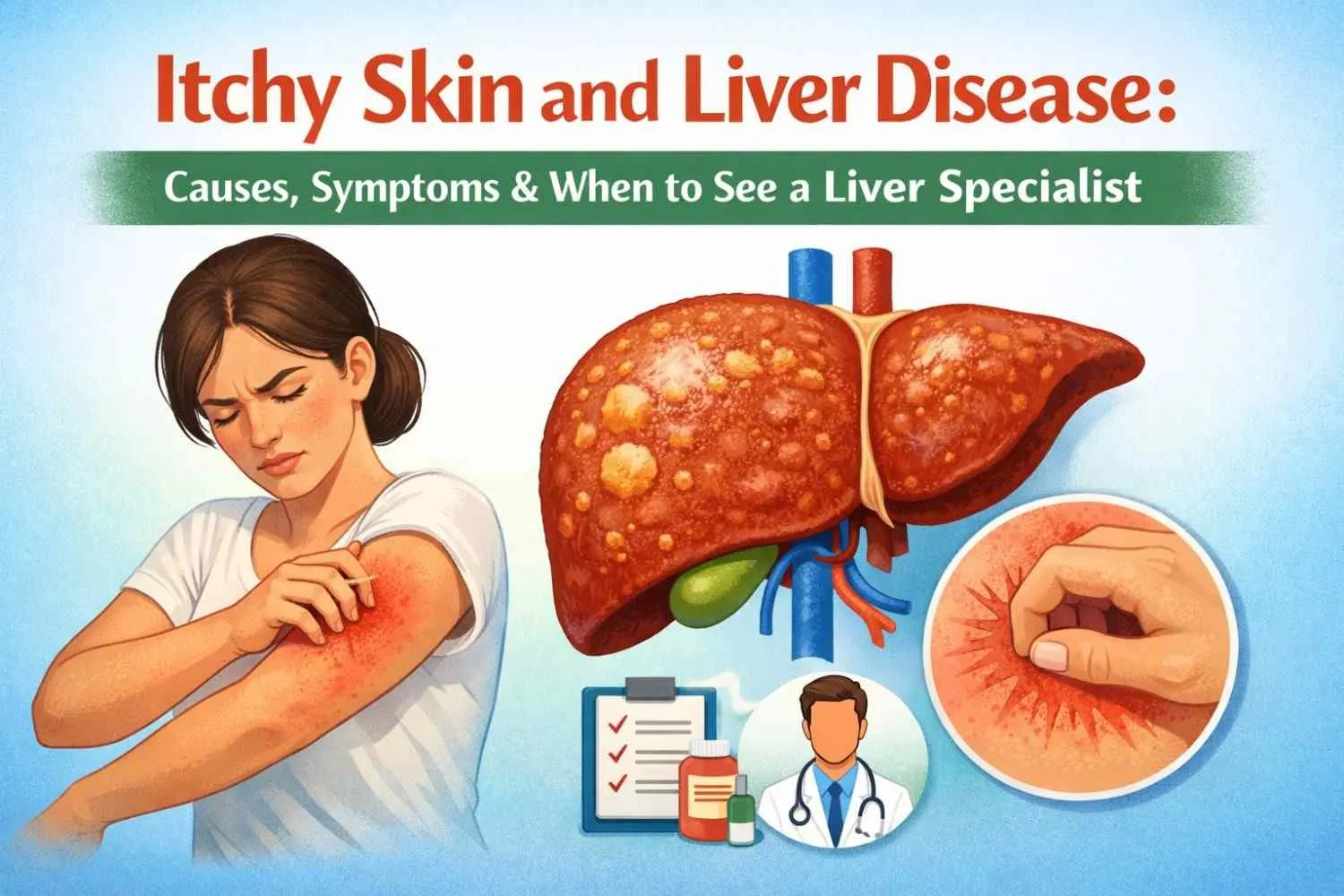
Have you ever experienced persistent itching despite the application of any kind of ointment or treatment? Most people attribute itching to dry skin, allergies, or changes in the climate. However, there are some cases where the underlying cause is far more complicated than that.
Itching of the skin may actually be an early indicator of a malfunctioning liver. It may seem unlikely, but the liver plays an important role in keeping the skin healthy. Thus, a liver disease may affect the body through the skin.
In fact, many of our clients came to us when the symptom persisted for too long without addressing its underlying cause. In this blog post, we provide a straightforward discussion of the subject matter.
What Is Itchy Skin?
Itching, or pruritus, is a sensation that prompts you to scratch excessively.
Causes of itching may include:
- dry skin
- allergies
- insect bites
- infections
However, itching that:
- persists for weeks or even months
- occurs without a rash on the skin
- worsens at night
- does not respond to topical ointments
might be caused by an internal issue, such as a liver disorder.
Connection between Liver and Skin
The liver performs the following tasks:
- Filtering out toxins in the bloodstream
- Production of bile for fat digestion
- Regulation of metabolism
When the liver fails to function effectively, toxin and bile salt levels rise in the bloodstream, irritating nerve endings in the skin and causing itching.
Why Does Liver Disease Cause Itching?
Let us break it down.
1. Bile Salt Accumulation
The liver produces bile, which helps digest fats. When bile flow is blocked or reduced:
- Bile salts enter the bloodstream
- They get deposited under the skin
- This triggers intense itching
2. Toxins Accumulation
If the liver is not working properly, it cannot detoxify the body. The toxins:
- Flow around the body
- React with nerve endings
- Result in irritability and itching
3. Chemical Imbalance
Some chemical levels increase in liver disease; for example, histamine may cause more severe itch.
Liver Diseases That Result in Itching
While not all liver ailments result in itching, several do.
1. Cholestasis Liver Disorders
Conditions that impede or hinder the production of bile.
Common examples include:
- Primary biliary cholangitis
- Primary sclerosing cholangitis
2. Liver Cirrhosis
Liver scarring may affect bile flow and toxin elimination from the body.
3. Hepatitis (B and C)
Liver inflammation interferes with proper functioning.
4. Fatty Liver Disorder
If left untreated, it leads to serious liver disorders, including itching.
5. Liver Cancer
The development of tumors may interfere with the bile flow, causing itching.
Signs That Indicate Liver Dysfunction Causing Itching
There are cases where itching may not indicate an alarming condition. How will you know if the liver plays a role in your case?
Check if:
- There is itching without any rash
- Symptoms occur at nighttime
- You itch on your palms and the bottom of your feet
- Topical medications are ineffective
- You experience fatigue
Other symptoms include:
- Jaundice
- Urine that is dark yellow
- Pale stool
- Abdominal distension
- Appetite loss
Consult a doctor if you have any of these symptoms.
Self-Test (Interactive)
Answer these questions:
- Do you have an itch that lasts for more than 2 weeks?
- Do you have an increased itch during nighttime hours?
- Do you have unexplained fatigue?
- Have you noticed your eyes becoming yellow?
If you answered yes to 2 or more questions, then you need to test your liver now.
When Should You See a Liver Specialist?
Itching that does not subside after 2 weeks, interferes with sleep, worsens, or is accompanied by other symptoms should be investigated further.
Early diagnosis will help avoid complications.
The team at Liver Surgeons provides a comprehensive examination and treatment plan for every liver condition.
Diagnosis: Determining the Source of the Problem
A hepatologist can advise the following diagnostic methods:
1. Laboratory testing
- Liver function test
- Bilirubin levels
- Tests for infections
2. Imaging testing
- Ultrasonography
- CT scan
- MRI
3. Other tests
- Fibroscan
- Liver biopsy (when required)
Such tests will help determine the specific cause of itching.
Treatment Options for Liver-Related Itching
Based on the cause of itching, different treatment approaches can be applied.
1. Medications
- Drugs to reduce bile salts
- Antihistamines
- Liver-supporting medicines
2. Lifestyle Changes
- Healthy diet
- Avoid alcohol
- Stay hydrated
3. Advanced Treatments
In severe cases:
- Procedures to improve bile flow
- Liver transplant
Liver Care Services
There are various liver care services offered by Liver Surgeons that will help you deal with your liver conditions:
- Liver transplant (both living and cadaver donors)
- Liver transplant for children
- Liver cancer surgery
- Biliary tract surgery
- Cholecystectomy
- Surgery for pancreas
- Minimal liver surgery
- Fatty liver treatment
- Hepatitis management
- Diagnostic services (both imaging and liver functions tests)
All services are available at one location.
Home Remedies to Treat Itching (Supportive Measures)
Although medical management is necessary, the following tips may be helpful for symptom management:
- Use mild, unscented soap products
- Use moisturizer on a regular basis
- Avoid bathing with hot water
- Wear loose-fitting clothing made of cotton
- Stay cool
Important: These measures provide symptomatic relief but do not address the root cause of the problem.
Liver-Friendly Eating Suggestions
The food you eat impacts your liver.
- Eat more of the following:
- Fresh produce
- Whole grains
- Protein-rich foods
Avoid:
- Beverages containing alcohol
- Deep-fried items
- Sweetened beverages
-
Junk food
Liver Treatment Services
Liver Surgeons provides an extensive list of treatment services for liver disorders:
- Liver transplantation (living donor liver transplant and deceased donor liver transplant)
- Liver transplant for children
- Surgery for liver cancer
- Surgery for bile duct
- Gallbladder surgery
- Surgery for the pancreas
- Minimally invasive surgery for liver
- Fatty liver disease treatment
- Hepatitis management
- Diagnosis (imaging studies, liver function tests)
All services are available under one roof.
Easy ways to alleviate itchiness (Supportive care)
Medications may work, but these easy methods can also be useful:
- Wash with gentle, non-scented soaps
- Moisturize your skin often
- Do not take hot baths
- Dress in loose-fitting clothes made of cotton
- Keep your body cool
Remember: These methods will provide relief from itching, but they won’t cure its underlying cause.
Liver-Friendly Dietary Advice
The food you consume impacts your liver’s health.
Increase consumption of:
- Fresh fruits and veggies
- Whole grains
- Protein-rich foods
Stay away from:
- Liquor
- Greasy foods
- Sodas
- Processed foods
Proper nutrition can ease liver burden and improve symptoms.
Common Misconceptions on Itchy Skin and Liver Diseases
Myth 1: Itching is only associated with the skin
Fact: It might be a symptom of an underlying disease
Myth 2: Severe liver diseases trigger itching
Fact: The condition might also occur at an earlier stage
Myth 3: Lotions can treat the issue effectively
Fact: The medication provides a temporary solution
Practical Example
Itching is often ignored; however, in some cases, it may be the first symptom of a liver disorder.
At Liver Surgeons, there have been multiple instances in which patients detected liver disease based on itching and received medical assistance.
Preventative Measures
To safeguard your liver:
- Do not consume excess alcohol
- Maintain a balanced weight
- Get vaccinated against hepatitis
- Do not indulge in self-medication practices
- Schedule routine health examinations
Final thought
Although itchy skin may appear harmless, it could point towards something severe.
Understanding the relationship between itchiness and liver ailments enables one to take swift action. Do not take it lightly when the symptom is chronic or peculiar.
Early detection and the right medication can significantly improve your situation. Therefore, if you notice any unexplained itching, you should seek professional advice from a liver expert.
Questions and Answers (FAQs)
Can a patient with liver disease experience itching without rashes?
Yes, as there is no rash.
Is itching an early sign of liver disease?
Yes, particularly when there is interference with bile flow.
Does liver-based itchiness last for some time?
It can persist for weeks or months if not taken seriously.
Can one get rid of the symptom by consuming lots of water?
Drinking water aids in hydration but does not address the problem.
Is itching an indicator of liver malfunction?
Not necessarily, as a professional must conduct the diagnosis.