Living Donor Liver Transplant: A Comprehensive Guide for Donors and Recipients
.webp)
Principal Consultant & Unit Head, Liver Transplant & HPB Surgery, Fortis Hospital, Shalimar Bagh, Delhi
In my years as a transplant surgeon, I've witnessed the most profound acts of human kindness in the operating room. A living donor liver transplant (LDLT) is not just a medical procedure; it's a journey of immense courage, love, and hope. This guide is designed to walk you, both donors and recipients, through every step of this journey with clarity and compassion.
A Living Donor Liver Transplant is a life-saving surgery where a healthy person donates a portion of their liver to someone with end-stage liver disease. The remarkable part? The donated section regrows to a near-normal size in the donor, and the transplanted portion also grows in the recipient, creating two healthy livers from one.
Understanding the Miracle of Liver Regeneration
The liver is the only organ in the human body that can regenerate. Think of it like a branch cut from a healthy tree. The tree grows new branches, and the cut branch, when planted, can grow into a new tree. Similarly, when we transplant a portion of the liver, both the donor's remaining liver and the recipient's new segment will grow back to full functional size within a few months.
This biological miracle is what makes living donation possible. It turns a tragic shortage of deceased donor organs into a planned, hopeful path to recovery for my patients.
Are You a Candidate? The Path to Transplant
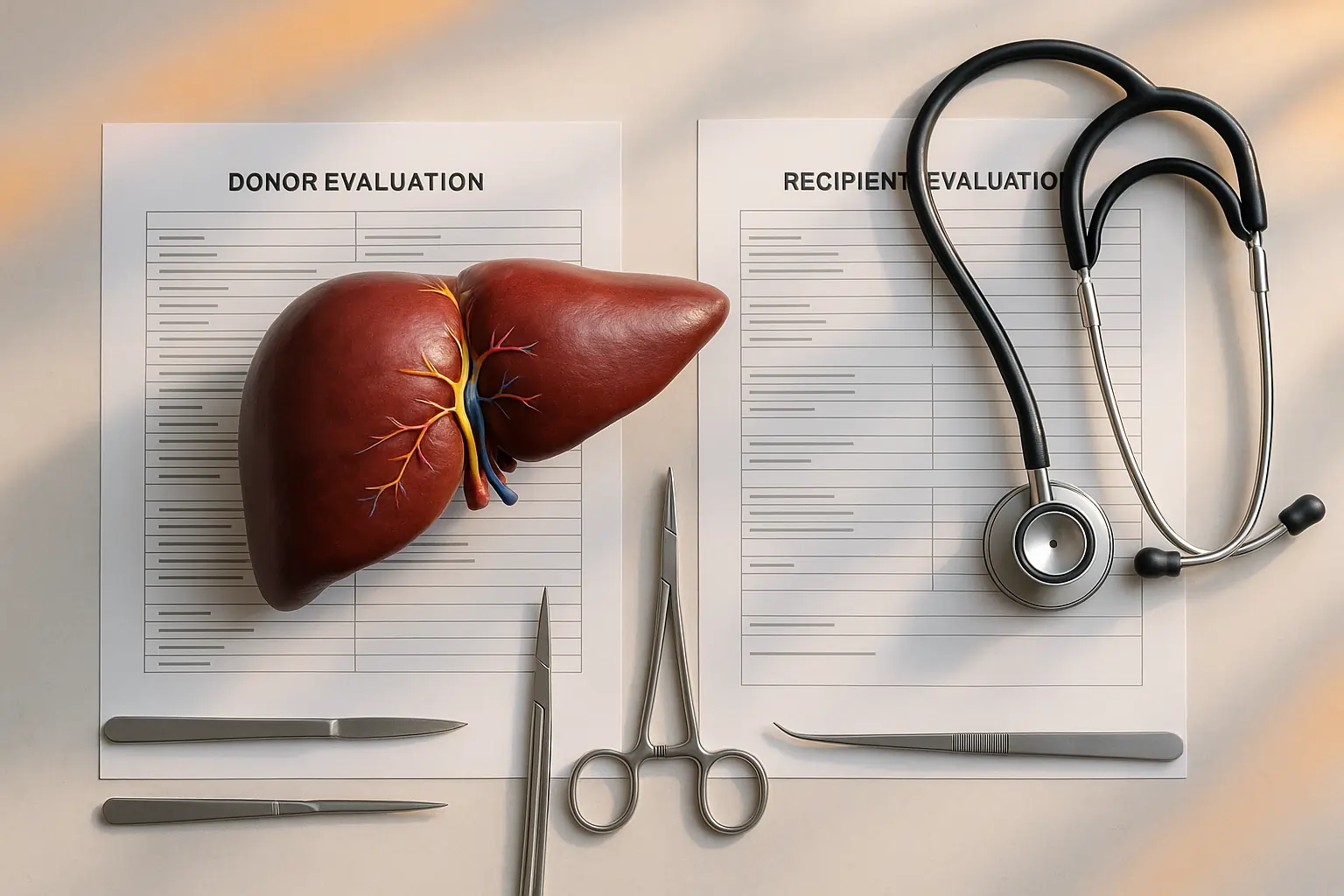
This journey involves two parallel paths that must perfectly align.
For the Recipient:
A patient is considered for a transplant when their liver
can no longer perform its essential functions. Common reasons include:
- Advanced Cirrhosis (from hepatitis, alcohol, or fatty liver disease)
- Liver Cancer (Hepatocellular Carcinoma)
- Acute Liver Failure
- Certain Genetic Liver conditions
The evaluation process is thorough to ensure you are strong enough for the major surgery and the lifelong care that follows.
For the Donor:
The donor is the hero of this story. To ensure their safety is
paramount, the evaluation is incredibly detailed. A good donor is typically:
- Between 18 and 55 years old (guidelines can vary).
- In excellent physical and mental health.
- Has a compatible blood type with the recipient.
- Has a liver size and anatomy suitable for donation.
- Fully informed and volunteering without any pressure or financial incentive.
The Donor's Journey: The Ultimate Act of Generosity
As a surgeon, my first duty is to the donor's safety. Their well-being is our top priority.
The Rigorous Donor Evaluation
We leave no stone unturned to ensure you are a safe candidate. This involves:
- Medical & Blood Tests: To check your overall health, blood type, and rule out any underlying conditions.
- Imaging (CT/MRI Scan): This is a map of your liver. We precisely measure its volume and study the blood vessels and bile ducts. This detailed planning is what separates a good outcome from a great one, and it's a key reason families seek out the best liver surgeon in Delhi or other major centers.
- Psychological Evaluation: We ensure you are mentally prepared, understand all risks, and are making this decision freely.
- Financial Counseling: We clarify that the recipient's insurance covers your medical bills. We also discuss indirect costs like travel and lost wages and connect you with resources for support.
The Donor Surgery and Recovery
The surgery itself takes 4-8 hours. We often use advanced minimally-invasive (laparoscopic) techniques, which mean smaller incisions, less pain, and a faster recovery.
- Hospital Stay (5-7 days): You will be up and walking within a day or two.
- First 6 Weeks at Home: This is the toughest part. You will feel fatigued and need pain management. You'll need help with daily chores. A gradual, short walk is encouraged.
- Returning to Normal Life: Most donors can return to desk work within 2-3 months. Full recovery and the return to all physical activities may take 3-6 months.
- The Long-Term: The vast majority of donors lead a completely normal, healthy life. The scar becomes a badge of honor, a permanent reminder of the life you saved.
The Recipient's Journey: A New Lease on Life
While the donor is in surgery, the recipient's procedure begins simultaneously.
The Transplant Surgery and Immediate Aftermath
We remove the diseased liver and carefully implant the new, healthy liver segment. The connections of tiny blood vessels and the bile duct are the most delicate parts of the operation. The surgery can take 6-12 hours.
You will wake up in the ICU, closely monitored by our dedicated team. This is a critical period where your body begins to accept its new organ.
Recovery: A Phased Approach to a New Normal
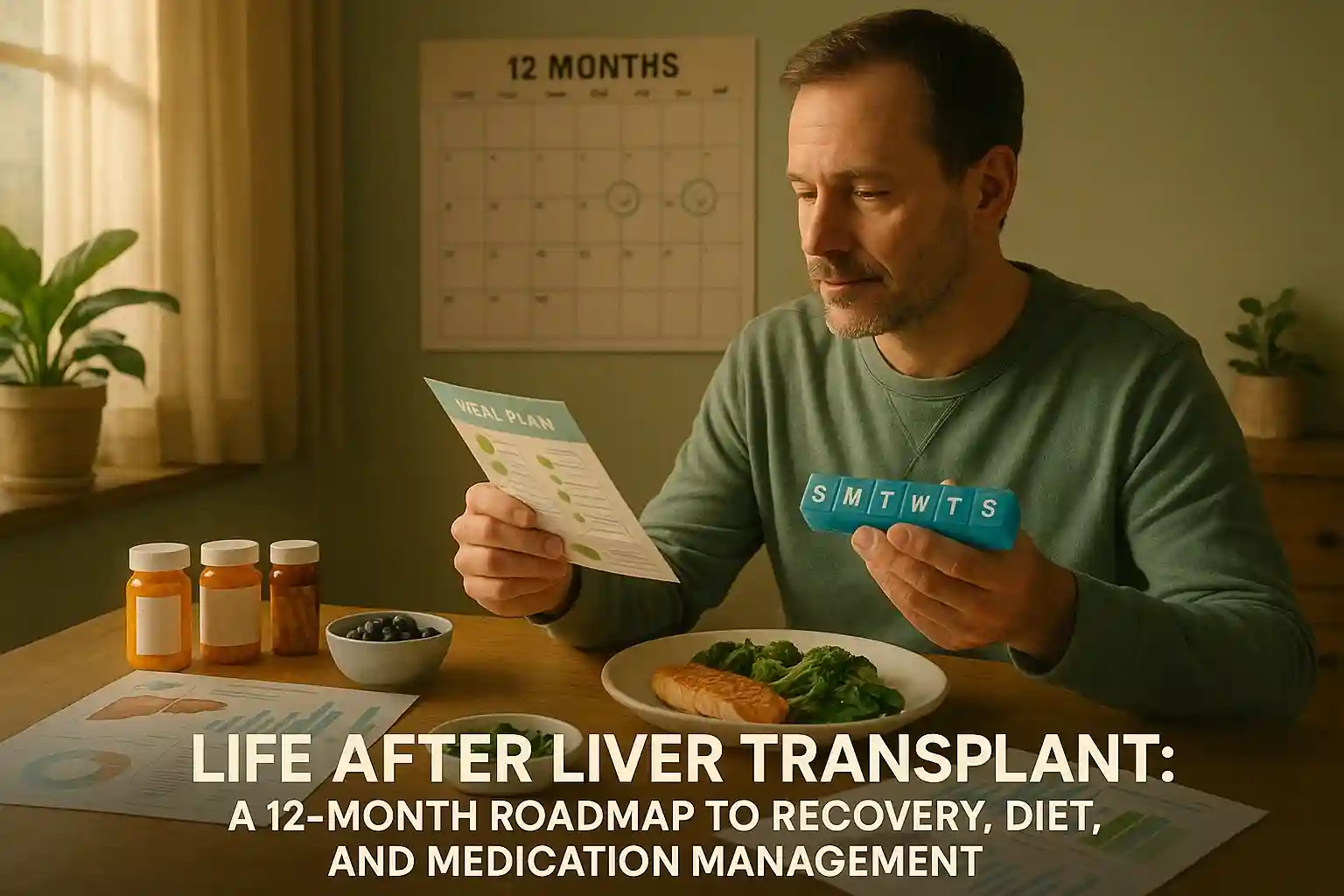
- Weeks 1-6: The focus is on healing, preventing infection, and managing your new medications called immunosuppressants. These drugs prevent your body from rejecting the new liver. You'll have frequent check-ups and blood tests.
- Months 3-6: Your strength will steadily return. You can gradually increase your activity levels. Most recipients feel significantly better than they have in years.
- Beyond 6 Months: You enter a maintenance phase, focusing on long-term health.
The Shared Experience: Emotional and Practical Realities
This journey binds the donor and recipient together for life in a unique way.
The Emotional Rollercoaster
- For the Donor: It's common to feel a mix of pride, anxiety, and post-surgery fatigue. Some donors experience a brief period of emotional low as their body heals.
- For the Recipient: The overwhelming feeling is gratitude, but it can be mixed with guilt. "Why did someone have to go through this for me?" This is a normal and valid feeling.
Open communication is the best medicine for these complex emotions. Many find counseling incredibly helpful.
Life After Transplant: Thriving Together
For the Recipient:
Your new liver is a gift you protect every day. This
means:
- Lifelong Medications: Taking your immunosuppressants on time, every time is non-negotiable. It's the price of your new life.
- Healthy Lifestyle: A balanced diet and regular exercise become your best allies.
- Vigilance: You must be alert to signs of infection or rejection and report them immediately.
For the Donor:
You can live a completely normal life. You can exercise,
travel, and have children. The main long-term consideration is informing future doctors about
your surgery, as it's a key part of your medical history.
Addressing Common Fears and Questions
"What are the real risks for the donor?"
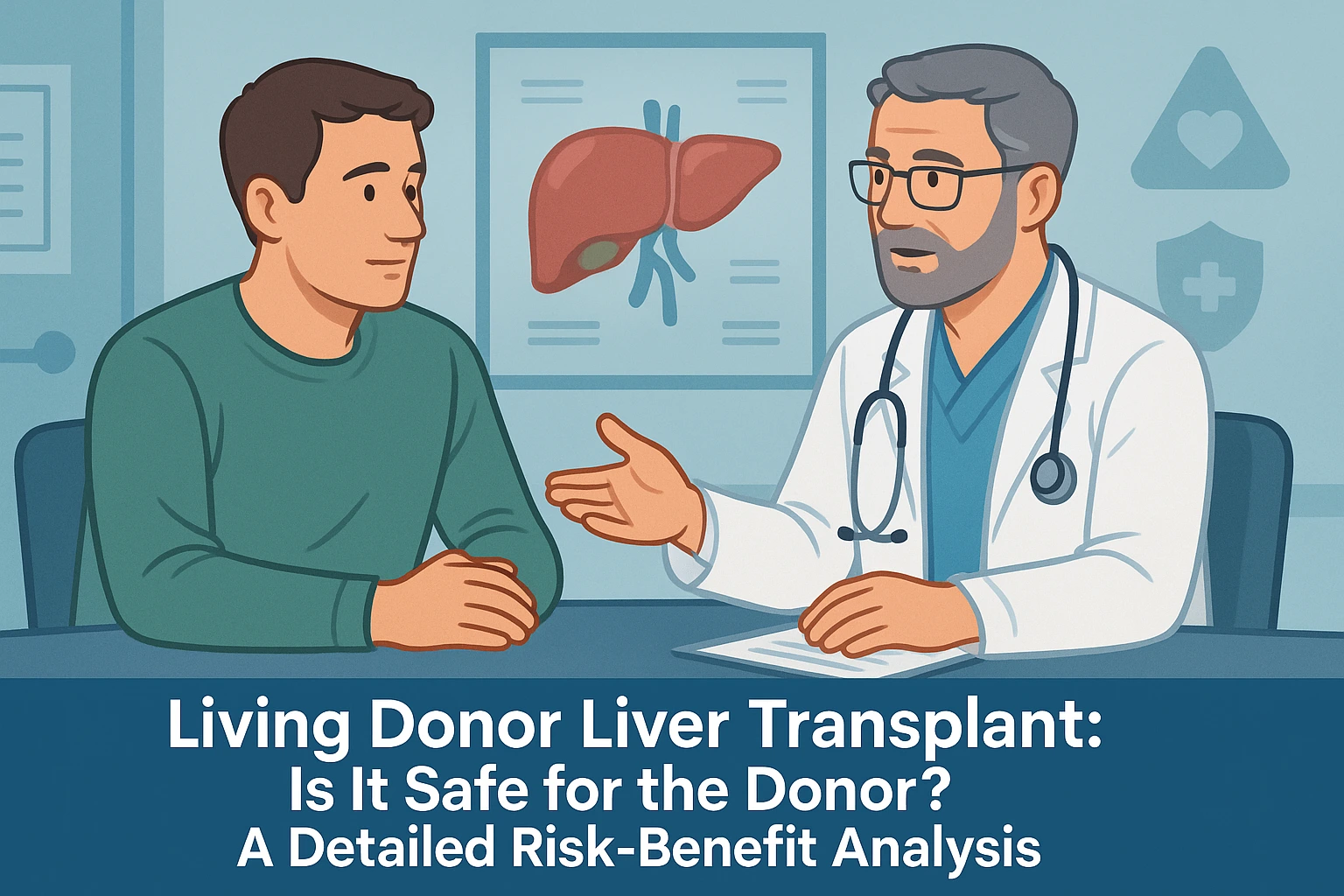
All major surgeries have risks, including bleeding, infection, or blood clots. The risk of a major complication for a donor in a high-volume center is low, around 2-3%. The risk of death is extremely rare, estimated at about 1 in 500. We use every tool at our disposal to minimize these risks, which is why choosing an experienced hospital and a dedicated best liver surgeon in India is so critical.
"What if the transplant fails?"
This is a fear we all share. While success rates are high (over 90% survival at one year and beyond), rejection can happen. If it does, our team is prepared. The option of a second transplant, while more challenging, does exist. We walk this difficult path with you, every step of the way.
Financial Planning and Support
Let's be practical. The recipient's insurance typically covers the donor's medical expenses. However, the non-medical costs—travel, accommodation, and lost wages for both the donor and their caregiver—can be significant. We strongly recommend exploring financial assistance programs early in the process to reduce this burden.
A Final Word from Dr. Ashish George
The decision to pursue a living donor liver transplant is one of the most significant you will ever make. It's a path paved with challenges, but also with unparalleled hope and the profound power of human connection.
My team and I are here to be your guides, your medical experts, and your supporters. We believe in providing not just surgical excellence, but also the clarity and compassion you deserve.
If you are considering this journey and have more questions, do not hesitate to reach out to our team for a confidential consultation. Let's explore the path forward, together.