How Much Alcohol Damages Your Liver? Safe Limits Explained
.webp)
Principal Consultant & Unit Head, Liver Transplant & HPB Surgery, Fortis Hospital, Shalimar Bagh, Delhi
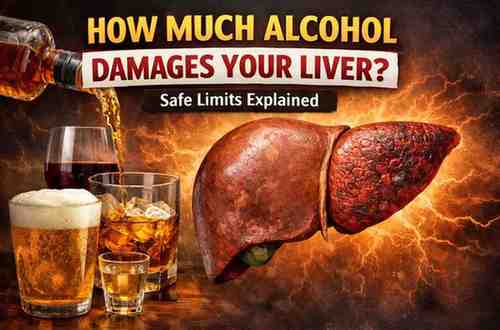
Alcohol is part of many social events and daily activities. From parties to relaxing nights, people often think that moderate drinking is harmless. However, when it comes to liver health, even small habits can have lasting effects if not properly understood.
The liver is one of the most important organs in the body. It plays a major role in filtering out harmful substances, including alcohol. However, the liver has its limits. When alcohol consumption exceeds those limits, it can gradually damage liver cells, sometimes without clear symptoms in the early stages.
This blog post will explain how alcohol affects your liver, what safe limits really mean, and when you should consider visiting a liver surgeon in Delhi. The purpose is to make medical information easier to understand so you can make better health choices.
What Does the Liver Actually Do?
Before understanding alcohol damage, it's important to know what the liver does. The liver has several vital functions:
- It filters toxins from the blood.
- It helps with digestion by producing bile.
- It stores energy as glycogen.
- It processes nutrients from food.
- It aids in blood clotting.
When you drink alcohol, your liver works hard to break it down and eliminate it from your body. This extra workload is where problems start.
How Alcohol Is Processed in the Body
When you drink alcohol, it enters your bloodstream and reaches the liver. The liver uses enzymes to break alcohol into less harmful substances.
However, the liver can only handle a limited amount of alcohol at once. Anything beyond that starts to circulate in the body, affecting other organs and gradually harming liver cells.
Over time, repeated exposure to alcohol leads to inflammation and damage.
What Amount of Alcohol Can Be Consumed Safely?
It is among the frequently asked questions.
The amount that can be consumed safely is determined by factors such as age, sex, body size, and overall well-being. Nevertheless, the following are some general recommendations:
- For men
- No more than two servings per day
- For women
- No more than one serving per day
- A serving of alcohol consists of
- One glass of wine
- One can of beer
- Or one measure of liquor
Despite these limits, daily consumption should be discouraged. Allowing the liver to rest from alcohol intake will make its work much easier.
Effects of Crossing the Line
Binging on alcohol will definitely affect the health of your liver negatively. The liver damage process is progressive.
1. Fatty Liver Disease
It marks the first stage of liver damage. In this stage, the fat starts building up in the liver tissues due to excessive drinking of alcohol.
Some symptoms include
- Discomfort in the stomach area
- Tiredness
- No symptoms in some people
It is important to note that this condition can be reversed by minimizing or completely stopping alcohol intake.
2. Alcoholic Hepatitis
If there is a continuation of excessive drinking, the result will be an inflamed liver.
Symptoms will include
- Jaundice
- Nausea/vomiting
- Abdominal pain
- Fever
It will be necessary to visit a physician at this time.
3. Liver Cirrhosis
It is considered the worst state of a diseased liver. Scar tissue develops where healthy liver tissue was previously located, and its impact is irreversible.
Signs of cirrhosis can include
- Abdominal distention
- Mental confusion
- Inability to stop bleeding
- Weakness
Time Required to Cause Damage to the Liver due to Alcohol Consumption
It cannot be quantified as it varies from person to person.
A few people could suffer from liver damage within a few years of indulging excessively in alcohol consumption, whereas some other individuals would require more time for their liver to become damaged due to regular alcohol consumption.
Early Warning Signs You Should Not Ignore
Liver damage often develops without noticeable symptoms. Many people only recognize issues when they become serious.
Watch out for these early signs:
- Constant fatigue
- loss of appetite
- Mild abdominal pain
- Unexplained weight loss
- Dark urine Yellowing of eyes or skin
If you notice any of these symptoms, it is important to see a specialist or a liver surgeon in Delhi for proper evaluation.
Who Is More at Risk?
Alcohol-related liver damage is more likely in certain situations.
- Women's weaker tolerance to drinking makes them more vulnerable.
- Individuals with diabetes or obesity
- People who already have liver diseases
- People who take specific drugs with alcohol
- Individuals who have a family history of liver illness
You can take early preventive action if you are aware of your risk.
Is the Liver Self-Healing?
The liver's capacity for regeneration is astounding. Alcohol abstinence can totally undo the damage caused in early stages, such as fatty liver.
But in more severe cases, like cirrhosis, the harm is irreversible.
For this reason, lifestyle modifications and early diagnosis are crucial.
How to Keep Your Liver Safe When You Drink
There are strategies to lower the danger if you decide to consume alcohol.
- Keep your intake within the suggested ranges.
- Refrain from drinking every day.
- Drink plenty of water.
- Consume wholesome, well-balanced meals
- Don't combine drink and drugs.
- Obtain routine medical examinations
Maintaining liver health can be greatly impacted by these few actions.
When Is Medical Assistance Needed?
A doctor should be consulted if:
- You exhibit signs of liver issues.
- You want to evaluate the health of your liver since you drink frequently.
- Liver illness runs in your family.
- It has been determined that you have fatty liver.
Early professional counsel can help avoid major issues.
Advanced Liver Condition Treatment Options
Depending on the degree, various treatment options can be needed if liver damage worsens.
Patients with a variety of liver disorders receive complete care at Liver Surgeons. Accurate diagnosis, cutting-edge therapy, and individualized care are the main priorities.
Services Provided
- Both living and deceased donor liver transplants are available.
- Children's liver transplants
- Therapy for liver failure and cirrhosis
- Treatment options for liver cancer, both surgical and non-surgical
- HPB surgery for bile duct, pancreatic, and liver disorders
- Robotic and minimally invasive liver surgery
- Laparoscopic liver surgery to expedite healing
- Removal of tumors and liver cysts
- Bile duct and gallbladder surgery
- Surgery on the pancreas
- Diagnostic procedures like liver biopsy and FibroScan
Life After Liver Treatment Recovery from liver conditions depends on the type and stage of the disease.
For early-stage conditions, lifestyle changes and medication may be enough.
For advanced cases like a liver transplant, recovery involves:
- Regular follow-ups
- Medication to prevent rejection
- A healthy diet and exercise
- Avoiding alcohol completely
With proper care, many patients go on to live healthy and fulfilling lives.
Frequently Held Myths Regarding Alcohol and Liver Health
Myth 1: It's safe to drink just on the weekends
Reality: Heavy drinking can seriously harm the liver.
Myth 2: Hard liquor is not as safe as beer.
Reality: The liver is impacted by all forms of alcohol.
Myth 3: You'll experience symptoms sooner
In actuality, liver disease frequently progresses silently.
Myth 4: Liver damage can be healed with detox drinks
Reality The only things that can assist are medical care and lifestyle modifications.
Frequently Asked Questions.
Is occasional drinking harmful?
Occasional drinking within acceptable limits is typically seen as low danger, however this depends on personal health.
Can I drink with a fatty liver?
If you have a fatty liver, it is better to avoid all alcohol.
How can I monitor my liver's health?
Blood tests, ultrasound, FibroScan, and a meeting with a specialist can all help determine liver health.
Is liver damage reversible?
Early-stage damage is reversible, but advanced damage may be irreversible.
Final Thought
Alcohol may appear harmless when drunk casually, but its long-term effects on the liver can be severe. Understanding acceptable boundaries and identifying early warning signals can help you stay healthy.
Your liver works silently every day to keep your body running smoothly. Taking care of it should be a top concern, not an afterthought.
If you have any worries regarding your liver health or alcohol intake, do not dismiss them. Consulting a liver surgeon in Delhi at the appropriate time can make a big impact.
Making informed decisions now can help you avoid major health difficulties in the future.